INS Mahendragiri set to join Navy as India strengthens Indo-Pacific presence
Amid growing challenges in the Indo-Pacific and heightened maritime security concerns following the US-Iran conflict, India is set to bolster its naval strength with the
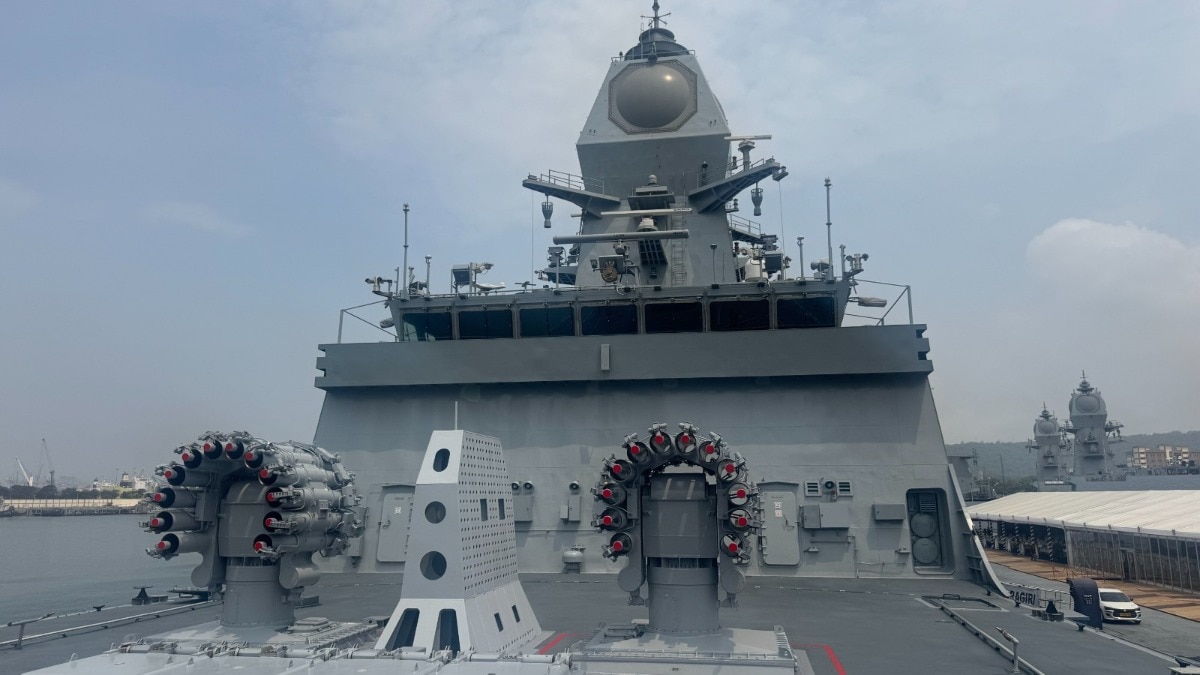
Amid growing challenges in the Indo-Pacific and heightened maritime security concerns following the US-Iran conflict, India is set to bolster its naval strength with the commissioning of INS Mahendragiri on July 11. As it cuts through the ocean waves and unfurls the tricolour at the Naval Dockyard in Visakhapatnam, INS Mahendragiri (F-38) will symbolize India's growing self-reliance and maritime ambitions. Defence Minister Rajnath Singh will induct the advanced stealth guided missile frigate into the Indian Navy. Read Full Story With Mahendragiri joining the fleet, the number of warships inducted into the Navy over the past year will cross 18, while an equal number of vessels are expected to be commissioned in 2026.
The frigate is named after the Mahendragiri mountain range of the Eastern Ghats on the Odisha-Andhra Pradesh border, a symbol of strength, resilience and Indian heritage. The Indian Navy has a long tradition of naming warships after rivers, mountains and historic places, and Mahendragiri carries forward that legacy. Developed under Project 17A, INS Mahendragiri is a Nilgiri-class stealth guided missile frigate designed by the Indian Navy's Warship Design Bureau (WDB) and built by Mazagon Dock Shipbuilders Limited (MDL), Mumbai. Built with more than 75 per cent indigenous equipment and technology, the warship is equipped with advanced weapons, sensors and a state-of-the-art combat system.
Its induction is being seen as a significant milestone in India's naval modernisation and the Aatmanirbhar Bharat initiative. Designed for future naval warfare and long-range operations, INS Mahendragiri is capable of carrying out anti-air, anti-surface and anti-submarine warfare missions. It can also undertake maritime security operations, surveillance, long-range deployments, Humanitarian Assistance and Disaster Relief (HADR) missions, and search-and-rescue operations. The frigate is equipped with advanced surface-to-surface and surface-to-air missile systems, modern radar and sensor suites, electronic warfare capabilities, anti-submarine weapons and an integrated combat management system. Its stealth design significantly reduces radar visibility, providing a strategic advantage during operations. A high level of automation and improved survivability have also been incorporated into the vessel.
With more than 75 per cent indigenous content, INS Mahendragiri is expected to reduce dependence on foreign defence equipment while providing a boost to India's defence industry, MSMEs and domestic shipbuilding sector. As strategic activity increases across the Indian Ocean and Indo-Pacific region, the induction of INS Mahendragiri will further strengthen the Navy's maritime surveillance capabilities, long-range deployment capacity and ability to counter enemy warships and submarines. The vessel also stands as a powerful symbol of India's indigenous defence manufacturing capability and expanding maritime power. Ends
 The BriefWire