NASA sure seems to be asking an awful lot of private space stations
NASA this week released a much-anticipated document, known as a "draft Request for Proposals," that provides some clarity about what it expects from US companies
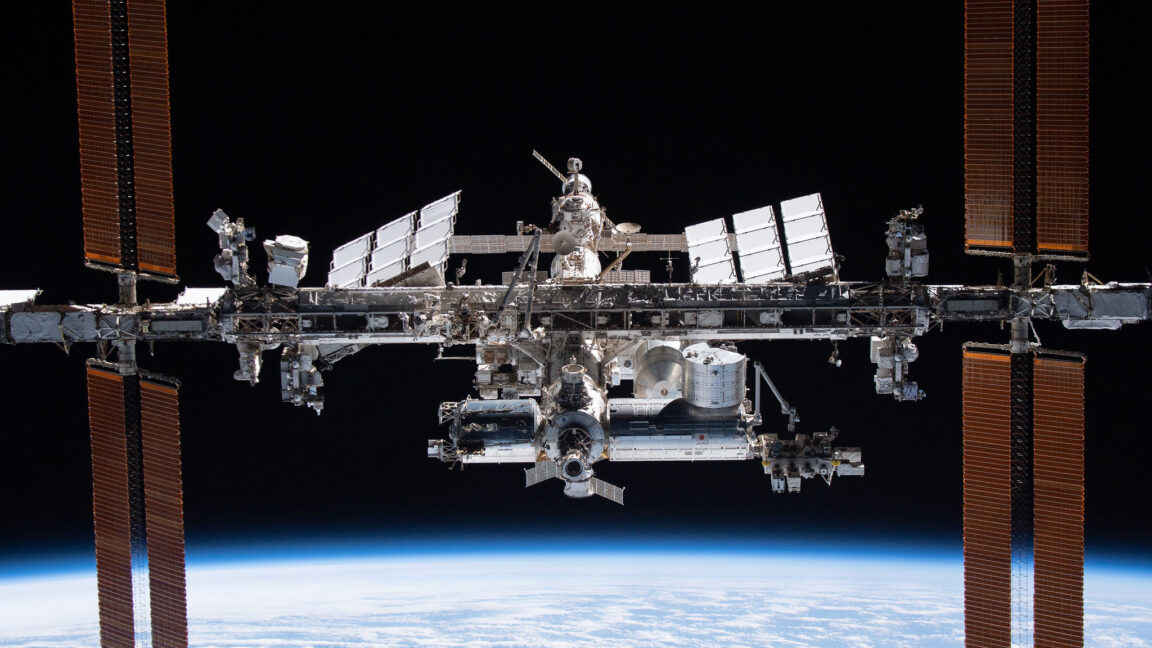
NASA this week released a much-anticipated document, known as a "draft Request for Proposals," that provides some clarity about what it expects from US companies attempting to build privately operated space stations in low-Earth orbit. The stakes are high with this document, known as a draft RFP. The space agency, publicly, has set an end date for the International Space Station of 2030.
Although there is likely to be a two-year extension, time is still running short to build, test, and fly a vehicle as complex as a space station. NASA officials and the US Congress have both said they want to avoid a gap in having a human presence in orbit, and this has created considerable urgency about what comes next.
Nearly five years ago the space agency took a concrete step toward filling this gap, awarding funding to three companies to develop space station concepts. Previously, NASA had also provided $140 million to another space station company, Axiom Space. These Space Act Agreements were intended as a prelude to a second phase of the program, which would award substantially more funding to one or two more companies to proceed into the construction and launch of their space stations.
But phase two of the program kept getting delayed, in part because Congress dithered on funding. Read full article Comments
 The BriefWire