From Ayodhya To Maharashtra, Mandir Leadership Jobs Now Come With One Crucial Requirement: 'Devotion To Ram'
From Ayodhya To Maharashtra, Mandir Leadership Jobs Now Come With One Crucial Requirement: 'Devotion To Ram' Published By, Last Updated: July 10, 2026, 19:23 IST
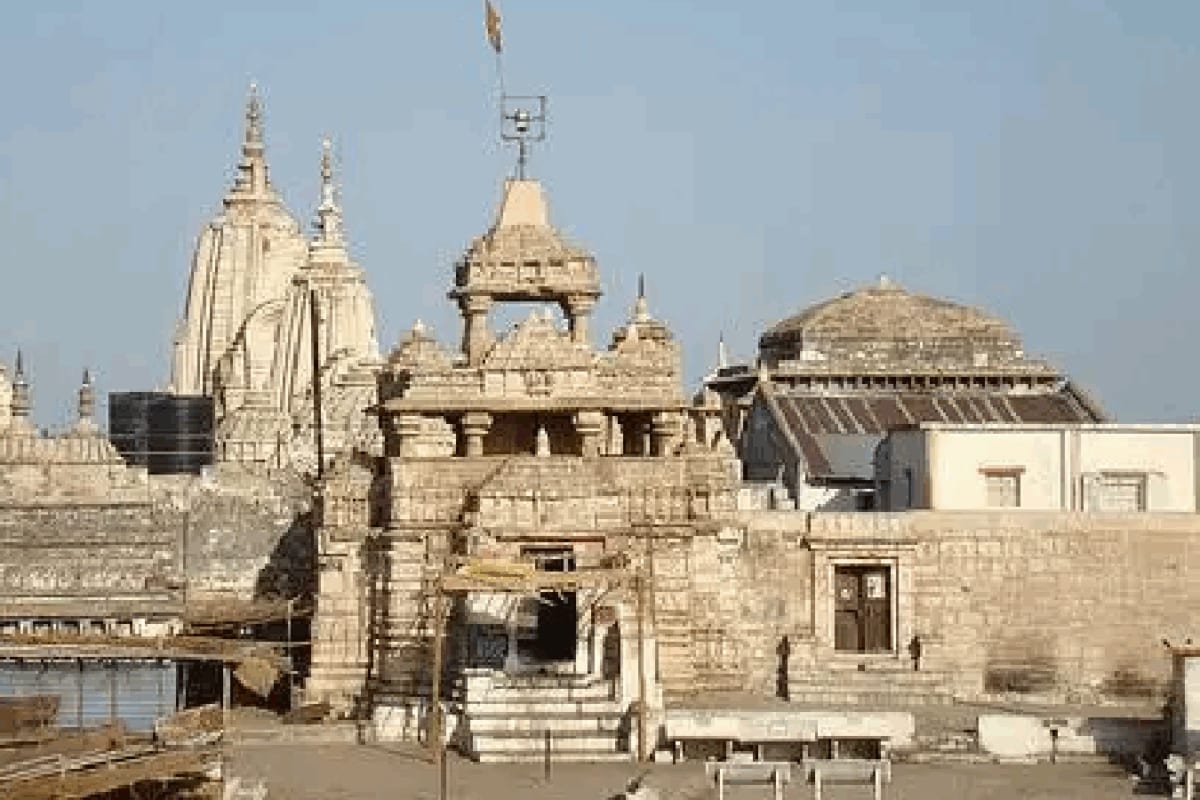
From Ayodhya To Maharashtra, Mandir Leadership Jobs Now Come With One Crucial Requirement: 'Devotion To Ram' Published By, Last Updated: July 10, 2026, 19:23 IST Maharashtra govt passed a Bill to reconstitute the trust administering the historic Ram temple at Ramtek, making a declaration of devotion to Lord Ram a statutory requirement. Rapid Read Anyone seeking to join the Ramtek temple trust must now formally declare devotion to Lord Ram, with the BJP government saying the move will improve temple administration. (IMAGE: Ramtek Ram Mandir Org) The alleged donation theft row at the Ram Temple in Ayodhya has put temple trusts under unprecedented scrutiny, with questions over transparency and governance threatening to dent devotees’ faith. As the Shri Ram Janmabhoomi Teerth Kshetra Trust searches for its first chief executive officer (CEO), it has made one qualification non-negotiable: “Ram ke prati shraddha ka bhav" — devotion to Lord Ram. Against this backdrop, the BJP-led Maharashtra government on Friday passed a Bill to reconstitute the trust administering the historic Ram temple at Ramtek, making a declaration of devotion to Lord Ram a statutory requirement for prospective trustees.
Under the proposed law, anyone appointed to the Ramtek temple’s management committee must submit a declaration, in the prescribed format, stating that he or she is a devotee of Shri Ram of Ramtek. Located around 50 km from Nagpur, Ramtek is home to one of Maharashtra’s most prominent Ram temples. According to local tradition, Lord Ram stayed there during his 14-year exile, making the town an important pilgrimage centre that draws lakhs of devotees during Ram Navami and Kartik Purnima. Introducing the Bill, Maharashtra Minister Ashish Jaiswal said a dedicated management committee and an executive officer would be appointed to safeguard the temple’s movable and immovable assets, which are currently administered by the local Sub-Divisional Officer. The legislation, however, ran into stiff opposition in the Assembly. Opposition parties urged the government to send the Shri Ram Temple Devasthan Trust (Ramtek) Bill to a joint select committee, objecting to provisions allowing politicians to become trustees and seeking stronger safeguards to ensure transparency in temple administration.
Senior NCP (SP) leader Jayant Patil cautioned that appointing politicians to the trust could politicise the temple’s affairs. He also questioned the requirement that trustees submit an affidavit declaring themselves devotees of Lord Ram, arguing that such a provision was inconsistent with the constitutional principle of secularism. Patil further demanded stronger safeguards for handling devotees’ donations, including mandatory CCTV surveillance whenever donation boxes are opened, a transparent counting mechanism and same-day registration of all donations. He also sought a provision preventing legislators and local body representatives from using temple funds for purposes outside the temple precincts. The debate comes just weeks after alleged irregularities surfaced in the counting of donations at the Ram Temple in Ayodhya. Following a recommendation from the Shri Ram Janmabhoomi Teerth Kshetra Trust, the Uttar Pradesh government constituted a Special Investigation Team (SIT), which found prima facie evidence of embezzlement. An FIR was subsequently registered, and eight people associated with the temple’s donation-counting process were arrested.
 The BriefWire