When London stank to high heaven
In 1858, London sweltered through an unbearable heat wave. The River Thames reeked so badly it left people gasping for air. "The Great Stink" went
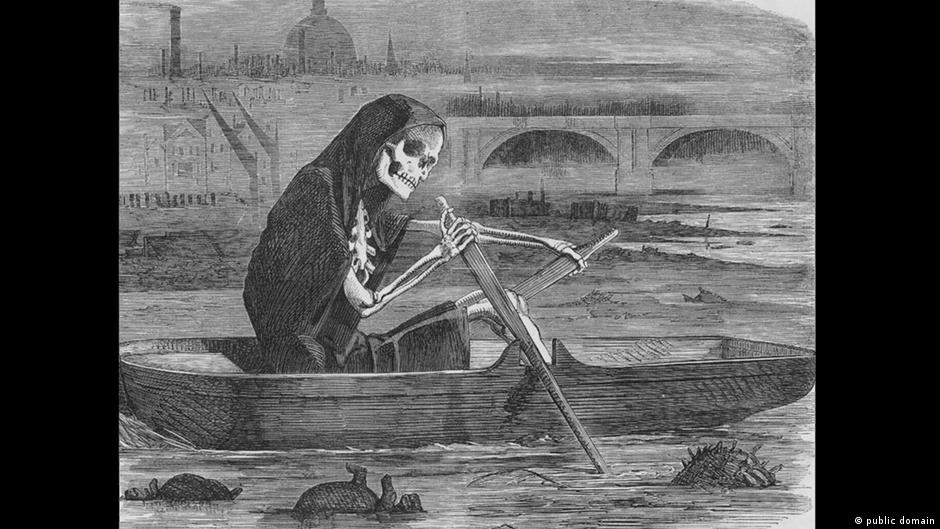
In 1858, London sweltered through an unbearable heat wave. The River Thames reeked so badly it left people gasping for air. "The Great Stink" went down in history — and ultimately gave London a modern sewer system. The river reeked so badly, it left Londoners gasping for air. Those who could afford to fled the city. Those left behind soaked their curtains in lime chloride to keep the stench at bay and pressed handkerchiefs over their noses whenever they ventured outside. "Whoso once inhales the stink can never forget it, and may count himself lucky if he live to remember it," the local press wrote. It was 1858. For weeks, temperatures hovered above 30 degrees Celsius (86 degrees Fahrenheit). Not a drop of rain fell to cool the city — or to wash away the filth choking the River Thames. London's lifeline became an open sewer: a murky, sludge-filled mix of human and animal waste, garbage and industrial pollution. The relentless heat drove the river to unusually low levels, exposing sewage and rotting refuse along its banks. Baking in the summer sun, the decaying waste fermented, blanketing the city in a suffocating haze. The Thames did not look as idyllic as it does in this painting in 1858 Image: Oxford Science Archive/Heritage Images/picture alliance 'A deadly sewer' Between 1800 and 1850, London's population doubled to 2.5 million, making the capital of the British Empire the largest city in the world.
But its outdated, hopelessly overwhelmed sewer system could not keep up. Waste from homes and businesses flowed directly into the Thames. The growing popularity of indoor flush toilets among wealthier households only made matters worse. Human waste was flushed straight into the river. In earlier centuries, cesspits had been emptied at night by so-called "night soil men." A cartoon from 1849 depicts 'Dirty Father Thames,' who couldn't possibly collect of the river's trash Image: Bildagentur-online/picture alliance Now, at high tide, polluted water washed back onto the streets. Londoners were accustomed to the Thames smelling foul. But the Great Stink surpassed anything they had ever known before. "Through the heart of the town a deadly sewer ebbed and flowed, in the place of a fine fresh river," Charles Dickens wrote in Little Dorrit. Yet people continued to wash in the river — and even drink its water. A deadly misconception: Bad air causes disease During the summer of the Great Stink, outbreaks of dysentery, typhoid and the dreaded cholera spread rapidly. At the time, most people believed diseases were caused by breathing foul-smelling air — poisonous "miasmas," a theory dating back to ancient Greece. During earlier cholera epidemics between 1831 and 1854 that killed more than 30,000 people, physician John Snow noticed a pattern. In London's poor Soho district, about 500 people died after overflowing cesspits contaminated a neighborhood water supply. John Snow proved that contaminated drinking water was responsible for the spread of epidemics Image: Bridgeman Images/IMAGO Snow became convinced the disease spread through polluted drinking water, not bad air.
 The BriefWire