Just A 5-KM Trek To Amarnath: Kargil's Drass Could Become New Gateway To The Holy Cave
Just A 5-KM Trek To Amarnath: Kargil's Drass Could Become New Gateway To The Holy Cave Published By, Last Updated: July 10, 2026, 12:49 IST
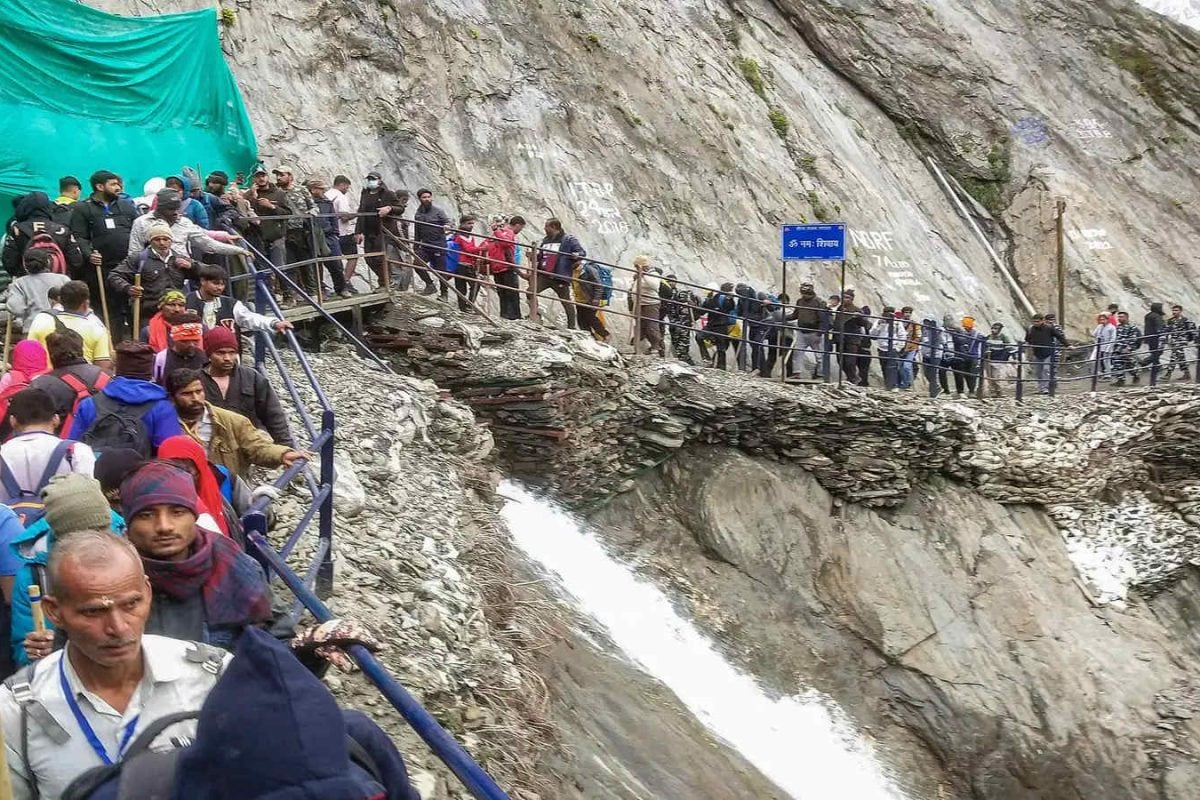
Just A 5-KM Trek To Amarnath: Kargil's Drass Could Become New Gateway To The Holy Cave Published By, Last Updated: July 10, 2026, 12:49 IST The proposed route would begin from Drass town in Kargil, pass through Matayen (Matayan) and the Mushkoh Valley, before reaching the Amarnath cave shrine from its northern side. Rapid Read Advocates of the proposal believe that the route from Drass to the Amarnath cave would involve a shorter trek than the traditional Pahalgam route For decades, the annual Amarnath Yatra has relied on two traditional routes to the holy cave shrine in Jammu and Kashmir – the longer trek from Pahalgam in Anantnag district and the shorter but steeper Baltal route in Ganderbal. Now, a proposal to open a third route through Ladakh’s Drass has reignited discussions on whether the pilgrimage could soon have another gateway. The latest push comes after BJP leaders in Ladakh urged the Centre to consider a route from Drass, describing it as the “shortest and safest" approach to the Amarnath cave. “We are working on the details of it. It will be the safest and shortest route to the shrine. The mountain gradient compared to the Pahalgam and Baltal routes is also less. It’s not as tough as the routes in the Kashmir valley," senior BJP leader Tashi Gyalson told The Hindu. The demand has gained attention at a time when the government has been steadily expanding connectivity and infrastructure in border regions, while also focusing on improving facilities for major pilgrimages.
What Is The Proposed Third Route To Amarnath? The proposed route would begin from Drass town in Kargil district, Ladakh, pass through Matayen (Matayan) and the Mushkoh Valley, before reaching the Amarnath cave shrine from its northern side. The Mushkoh Valley is one of the four valleys of the Kargil region and was the site of intense fighting during the 1999 Kargil War. The proposal has also gained momentum following the opening of the Zojila Tunnel, a landmark infrastructure project that has significantly improved connectivity between Kashmir and Ladakh. Stretching 13.14 kilometres beneath the Zojila Pass, the tunnel provides all-weather access between Sonamarg in Jammu and Kashmir and Minamarg near Drass in Ladakh, reducing travel time across the pass considerably. The tunnel bypasses one of the country’s most avalanche-prone mountain passes, which traditionally remained closed for several months each winter. Supporters of the third Amarnath route argue that this improved road connectivity makes Drass far more accessible for pilgrims, security forces and emergency services, strengthening the case for developing the proposed corridor through the Mushkoh Valley. While the tunnel does not directly connect to the Amarnath shrine, it substantially improves access to the starting point of the proposed route and enhances its logistical feasibility. According to those backing the proposal, the trek from Drass to Amarnath Cave is about 5 km, and would make for the shortest approach to the shrine if developed. THe trek from Pahalgam route is about 34 km while the Baltal route trek is about 14 km.
 The BriefWire