Not a Modi breakthrough, Australia approved uranium sales to India in 2011: Congress
The Congress on Friday hit out at the BJP over its claim that Australia’s decision to supply uranium to India was a breakthrough achieved under
The Congress on Friday hit out at the BJP over its claim that Australia’s decision to supply uranium to India was a breakthrough achieved under Prime Minister Narendra Modi, saying the process had begun years earlier under the previous UPA government. The opposition party said former Australian prime minister Julia Gillard had secured her Labour Party's approval in December 2011 to allow uranium sales to India, following the India-US Civil Nuclear Agreement signed in October 2008. Read Full Story The exchange followed BJP IT department head Amit Malviya’s remarks that India and Australia had reached a uranium export agreement under Modi’s leadership. Congress leader’s comments came after India and Australia signed a civil nuclear energy pact on Thursday, among several agreements announced following talks between Modi and Australian Prime Minister Anthony Albanese.
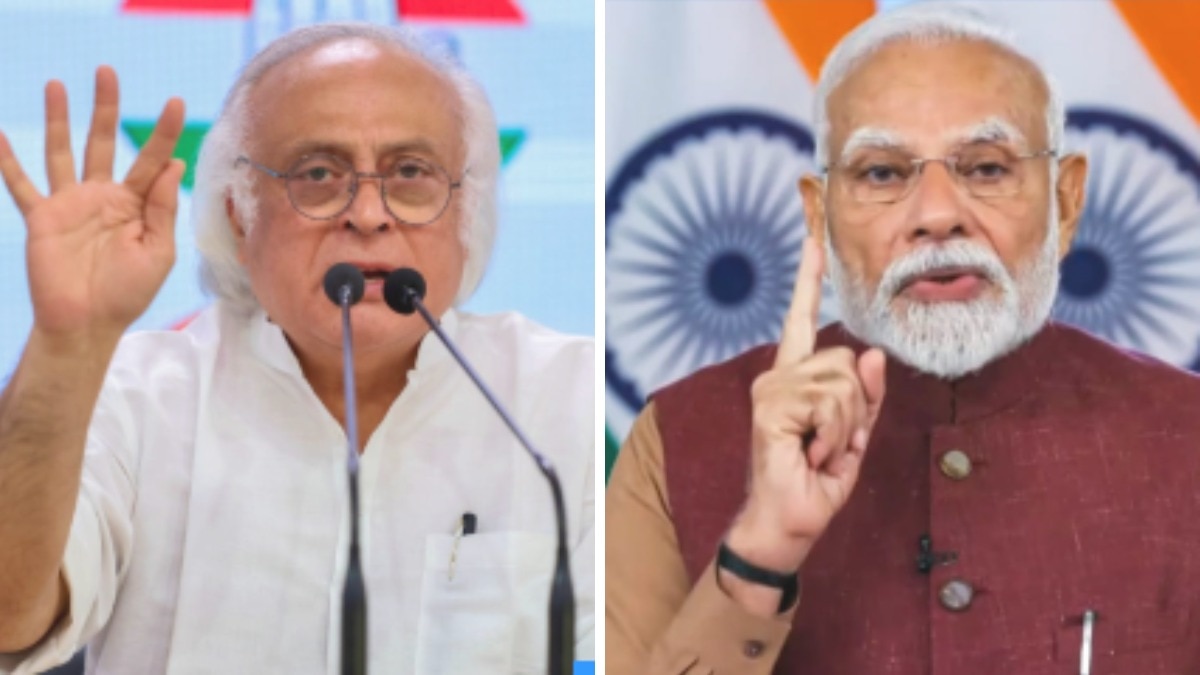
Rejecting the BJP’s claim, Congress general secretary Jairam Ramesh said the party’s ecosystem was attempting to portray Australia’s uranium exports to India as a Modi-era achievement. “On Dec 4, 2011, Australian Prime Minister Julia Gillard got approval of her party to sell uranium to India following the India-US Nuclear Agreement of Oct 2008,” Ramesh said in a post on X. He added that BJP leaders and supporters “need to do their homework better” and shared screenshots of media reports from December 2011 stating that Australia’s Labour Party had backed opening up uranium sales to India. Earlier, Malviya had said on X that Australia had refused to sell uranium to India in 2010 due to New Delhi not being a signatory to the Nuclear Non-Proliferation Treaty (NPT), but that the agreement was now possible under Modi’s leadership.
“This isn’t just about uranium. It reflects India’s transformed global standing. From being viewed through the prism of restrictions to being treated as a trusted strategic partner,” Malviya said. Ramesh also reiterated on Thursday that the Congress had created “turning points”, while accusing the BJP of specialising in “U-turning points”. He said the India-Australia civil nuclear cooperation agreement was made possible by the India-US Nuclear Cooperation Agreement, which came into force on October 8, 2008, and which the BJP had opposed at the time. On Thursday, India and Australia signed multiple agreements covering civil nuclear energy, maritime security and critical minerals. Following the Modi-Albanese talks, the two countries also announced a joint declaration on defence and security, a statement on energy cooperation, and a roadmap for collaboration in cyber security, critical technologies and supply chains.
 The BriefWire