Trump Gives Ukraine Patriot Missile Licence. Could It Reshape The War With Russia? Not So Fast
Trump Gives Ukraine Patriot Missile Licence. Could It Reshape The War With Russia? Not So Fast Published By, Last Updated: July 10, 2026, 12:18 IST
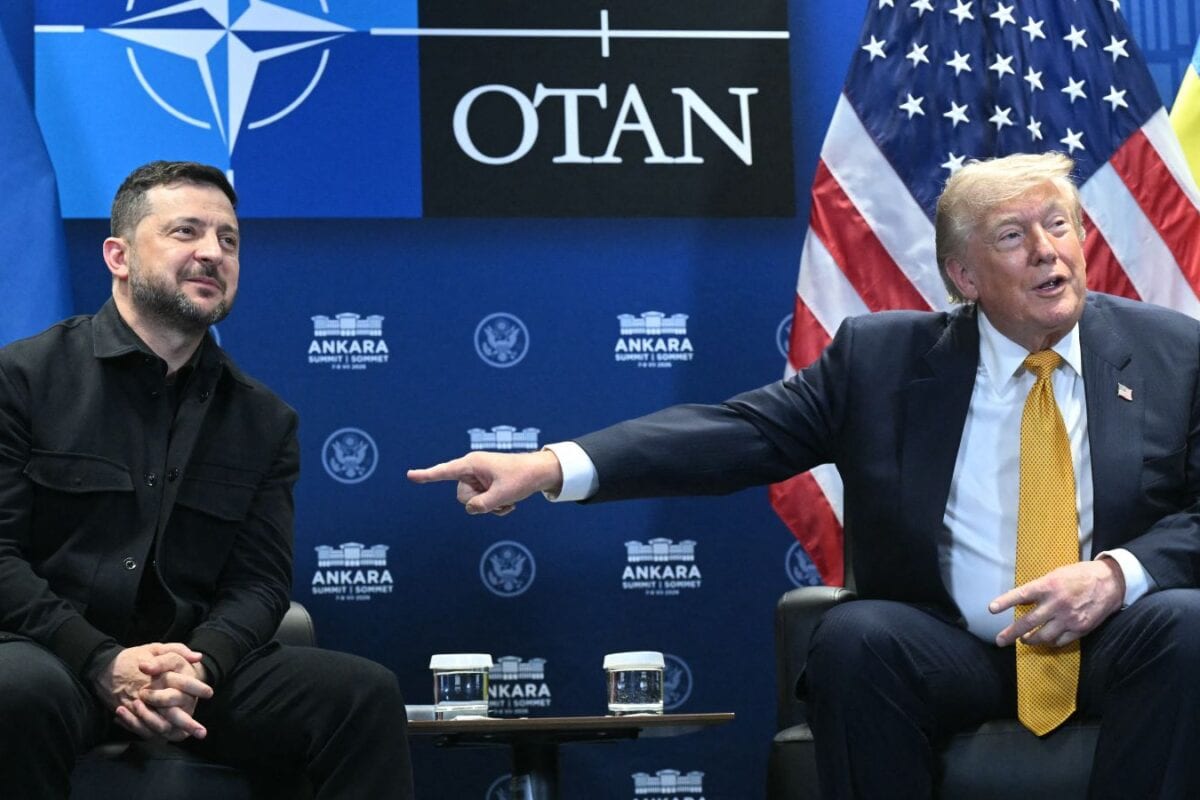
Trump Gives Ukraine Patriot Missile Licence. Could It Reshape The War With Russia? Not So Fast Published By, Last Updated: July 10, 2026, 12:18 IST The move could reduce Ukraine's dependence on Western stockpiles over time, but it offers little immediate help against Russia’s current missile campaign. Rapid Read Trump made the announcement during a meeting with Ukrainian President Volodymyr Zelenskyy on the sidelines of the NATO summit in Ankara, Turkey. (Photo: AFP) US President Donald Trump’s decision to allow Ukraine to produce Patriot interceptor missiles under licence could become one of the most consequential shifts in Washington’s military support for Kyiv since Russia’s full-scale invasion. If successful, it would eventually allow Ukraine to reduce its dependence on Western stockpiles for one of its most critical air-defence weapons. But while the announcement is politically significant, defence experts caution that it is far from an immediate battlefield solution. Building one of the world’s most sophisticated interceptor missiles requires specialised manufacturing, sensitive technology, complex supply chains and years of preparation. Why Patriots Matter So Much Trump’s announcement came after his meeting with Ukrainian President Volodymyr Zelenskyy on the sidelines of the NATO summit in Ankara, where the two leaders discussed Ukraine’s worsening shortage of Patriot interceptor missiles. The US-made Patriot system, particularly its PAC-3 interceptor, is among the few Western weapons capable of shooting down ballistic missiles, which Russia has increasingly used against Ukrainian cities. As Moscow intensifies aerial attacks, Kyiv has repeatedly warned that its supply of interceptors is being depleted faster than it can be replenished. Although Ukraine has received Patriots and interceptor missiles from the United States and European allies, global inventories remain limited and production has struggled to keep pace with demand. A Major Political Win For Kyiv For months, Zelenskyy has argued that relying solely on foreign deliveries is unsustainable and has pressed the US to allow Ukraine to manufacture Patriot interceptors domestically. Following his meeting with Trump, he said that hurdle had finally been cleared. “We resolved this issue politically," Zelenskyy told reporters.
“It’s now very important that our technical teams, all our representatives from different ministries, representatives of the executive branch, start working on this without delay, so that we can get licences very quickly and start production in Ukraine as soon as possible." Trump confirmed the decision during a joint appearance with Zelenskyy. “We’re going to give a licence to you to make Patriots. This way, you can’t complain that we’re not giving them enough." Zelenskyy later said Trump had repeatedly stressed that only “two to three countries in the world" currently possess the technological capability to manufacture Patriot systems, and that Ukraine had now been recognised by the US as capable of joining that group. The Ukrainian president also said Kyiv expected to receive additional PAC-3 interceptors from both the US and European partners in the coming days while work on domestic production moved forward. What A Production Licence Actually Means Granting a production licence is only the first step. According to Serhii Beskrestnov, an adviser to Ukraine’s defence minister, such a licence would typically include access to technical manufacturing documentation, specialist training, supplier networks and foreign consultants who help establish production lines. That is a significant milestone because Ukraine would no longer be dependent solely on finished missile deliveries from abroad. Instead, it could gradually develop its own industrial capability to manufacture one of the world’s most advanced air-defence interceptors. However, obtaining the licence does not mean factories can begin producing missiles immediately. Why It Won’t Change The War Overnight Experts across the defence industry agree that the biggest obstacle is not political approval but time. “The problem is that these things aren’t like flipping on a light switch," Bradley Bowman, a scholar at the Foundation for Defense of Democracies, told ABC News. “You can devote the money necessary, but that’s not going to manifest itself and increase production capacity for a significant period of time." He added: “Unfortunately, time is, in many cases, the thing you don’t have." Beskrestnov similarly warned that the production cycle for several subcontracted components alone could take between 12 and 24 months, making rapid manufacturing virtually impossible.
 The BriefWire