After Bombing And A Failed Iran Deal, What Options Does Trump Have Left?
After Bombing And A Failed Iran Deal, What Options Does Trump Have Left? Published By, Last Updated: July 10, 2026, 09:19 IST With strikes failing
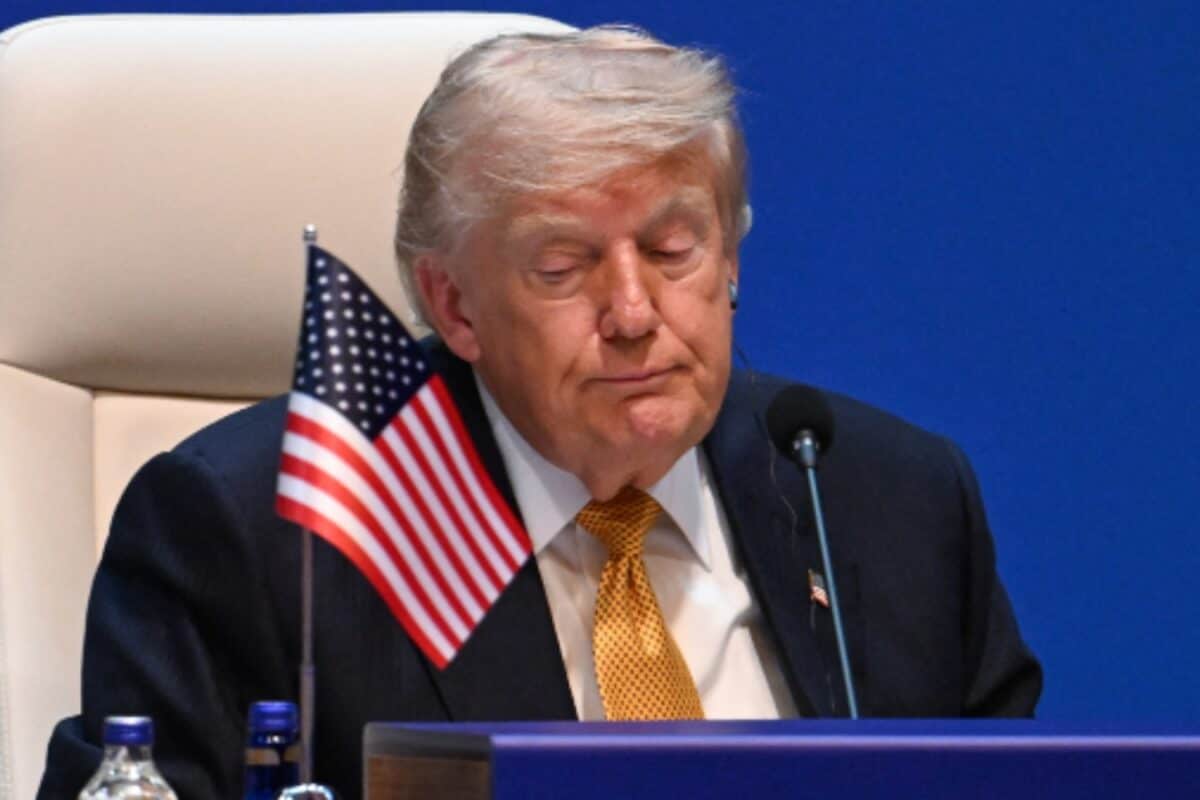
After Bombing And A Failed Iran Deal, What Options Does Trump Have Left? Published By, Last Updated: July 10, 2026, 09:19 IST With strikes failing to break Iran and the ceasefire unravelling, Trump is left with a narrow set of high-risk choices. Rapid Read US President Donald Trump. (AFP photo) US President Donald Trump’s preliminary accord with Iran was meant to offer a way out of a war that had failed to produce a decisive result. Under the MoU signed in June, Iran was expected to facilitate the safe passage of commercial vessels through the Strait of Hormuz. In return, Washington would ease restrictions on Iranian oil sales, potentially allowing billions of dollars to flow back into the country’s economy. Less than a month later, that arrangement has unravelled. Trump has now declared the ceasefire “over", even as he has left open the possibility of further talks. Attacks on three ships in the Strait of Hormuz prompted Trump to revoke the oil sanctions waiver and order fresh US strikes. American forces have since hit more than 170 Iranian military targets over two nights, while the broader negotiations envisioned under the accord have yet to begin. Bombing did not force Iran to capitulate, while economic incentives did not persuade it to surrender its leverage over one of the world’s most important energy corridors. With both approaches failing to produce the outcome the US wanted, what options does Trump have now? Option 1: Escalate The Military Campaign Trump could respond by widening the war. Possible steps include strikes on Iranian power plants, civilian infrastructure or coastal military positions overlooking the Strait of Hormuz. Washington could also consider targeting Kharg Island, the centre of Iran’s oil export infrastructure, or attempting to push Iranian forces away from the strait. But each of these options carries major risks. A Marine or special forces operation against Kharg Island could result in significant US casualties. Strikes on civilian infrastructure could trigger Iranian attacks on American bases, Gulf allies and regional energy facilities. That, in turn, could deepen disruption to oil and gas supplies and produce exactly the economic consequences Trump was trying to avoid when he signed the preliminary accord. Even a much larger campaign may not eliminate Iran’s ability to threaten shipping.
A small number of drones or missiles, launched from positions miles away, could still be enough to stop commercial vessels from entering the strait. Representative Adam Smith, the top Democrat on the House Armed Services Committee, argued that calls to “finish the job" in Iran ignored the difficulty of breaking Tehran’s military capacity. “You’re not going to be able to, quote, finish the job, unquote, to the point where it breaks Iran," Smith told CNN. “That was always the flaw in the argument for starting this war in the first place. And now we’re in that hole." Richard Haass, a former US diplomat, described the situation as a “strategic dead-end". “The dilemma here is that the more we attack, the more the Iranians attack the Gulf oil and energy infrastructure," Haass told The New York Times. “And the administration still has not figured out how to defend those sites." According to Haass, Trump first hoped bombing would produce regime change and later hoped it would force Iran to capitulate. “Neither worked," he said. Option 2: Tighten The Economic Blockade Trump could intensify economic pressure instead of expanding the military campaign. He has already withdrawn the sanctions waiver that allowed Iran to resume oil sales under the accord. Washington could now restore a wider blockade of Iranian ships and ports or target the infrastructure through which it exports oil. Retired Admiral James Stavridis argued that economic targets may offer Trump a more effective route than trying to seize Iranian territory. “We are bringing a knife to a knife fight, but we’ve got a gun," Stavridis told CNN. “Frankly, I don’t think we’re going to conquer Kharg Island, but we could blockade it. That would be the end of the Iranian economy." The aim would be to impose enough economic pain to force Iran’s leadership to reconsider whether it could withstand prolonged isolation, falling revenue and growing domestic pressure. But this option has already been tested. Iran endured weeks of an earlier US embargo without accepting the “unconditional surrender" demanded by Trump. Renewed economic pressure could also push Iran to attack more ships or regional energy infrastructure in an effort to raise the cost for Washington and its allies.
 The BriefWire