Murders on campus, blood-soaked roads: Satluj revives Punjab's dark memories
Ducking bullets on campus, blood-stained roads, people vanishing without a trace. Diljit Dosanjh-starrer Satluj, which delves into the period of violent militancy in Punjab and
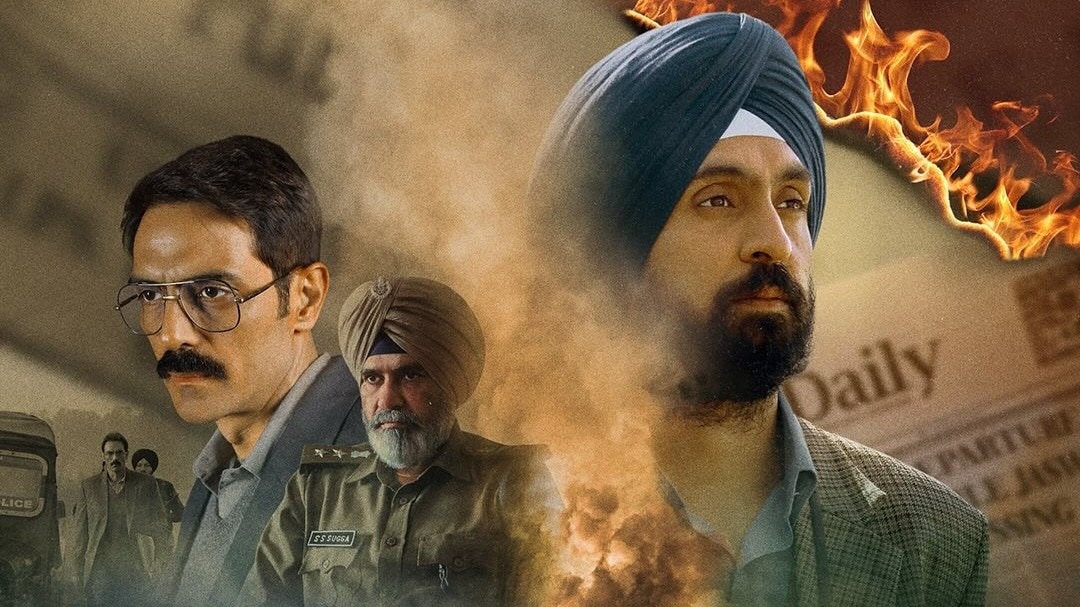
Ducking bullets on campus, blood-stained roads, people vanishing without a trace. Diljit Dosanjh-starrer Satluj, which delves into the period of violent militancy in Punjab and counter-insurgency operations, seems to have opened old wounds in Punjab. While the film was taken down within two days of its OTT release, several Punjabis from all walks of life have shared personal memories from one of Punjab's most violent periods. Read Full Story Originally titled Punjab '95, the film reached audiences after a wait of four years. It chronicles the life of human rights activist Jaswant Singh Khalra. Khalra was abducted while he was investigating enforced disappearances and secret cremations in Punjab at the peak of insurgency. His body was never found. The film has divided the public, triggering a wider debate on police excesses and arbitrary arrests. Yet, others contend that tough measures were needed to end the insurgency. Satluj explores this dual reality. PUNJABIS RECALL THE HORROR Many in Punjab lived through those years with stories they have kept buried ever since. Some recalled how the sound of gunfire would erupt without warning. Others said returning home safely at night was a challenge in itself. Satluj has now become a trigger for Punjabis to revisit those memories that haunt them still. Among those who have spoken out is Harmeen Soch, a teacher. Harmeen recalled growing up inside the campus of Khalsa College in Amritsar, where her father was a principal.
"We were privy to extremism up close... with murders occurring every other day on campus. Huddling in one room when firing would begin to coming out to blood-laden roads after it stopped was common for us," Harmeen said. The period mentioned by Harmeen was from the early 1980s to the mid-1990s - the most turbulent in Punjab's history when Sikh militants pushed for an independent state of Khalistan. Her most haunting memory, however, was the day her brother and his friend were allegedly picked up outside their study centre by the police. She recalled her father's frantic rush on his scooter and her mother's inconsolable tears. "We knew we may never see him again. We knew if we were lucky, we may get to see the dead body," she said. According to Harmeen, her brother's quick thinking saved him. "He kept saying to them that he is the son of the principal of Khalsa College and took names of high-ups, like the Amritsar DC and SSP," she said. It was only then that the boys were released in a nearby field. "He reached home," she wrote. "Thousands and lakhs didn't." Actor Gul Panag also recalled growing up in Punjab during the years of militancy. Panag, whose father was a lieutenant general in the Army, underlined how newspapers used to be filled with reports of buses being stopped, passengers being separated and killed, alongside stories of young men being allegedly detained and tortured.
 The BriefWire