Quote of the day by Marcus Aurelius: "The happiness of your life depends upon..." - a timeless reminder that a peaceful mind shapes a happier life
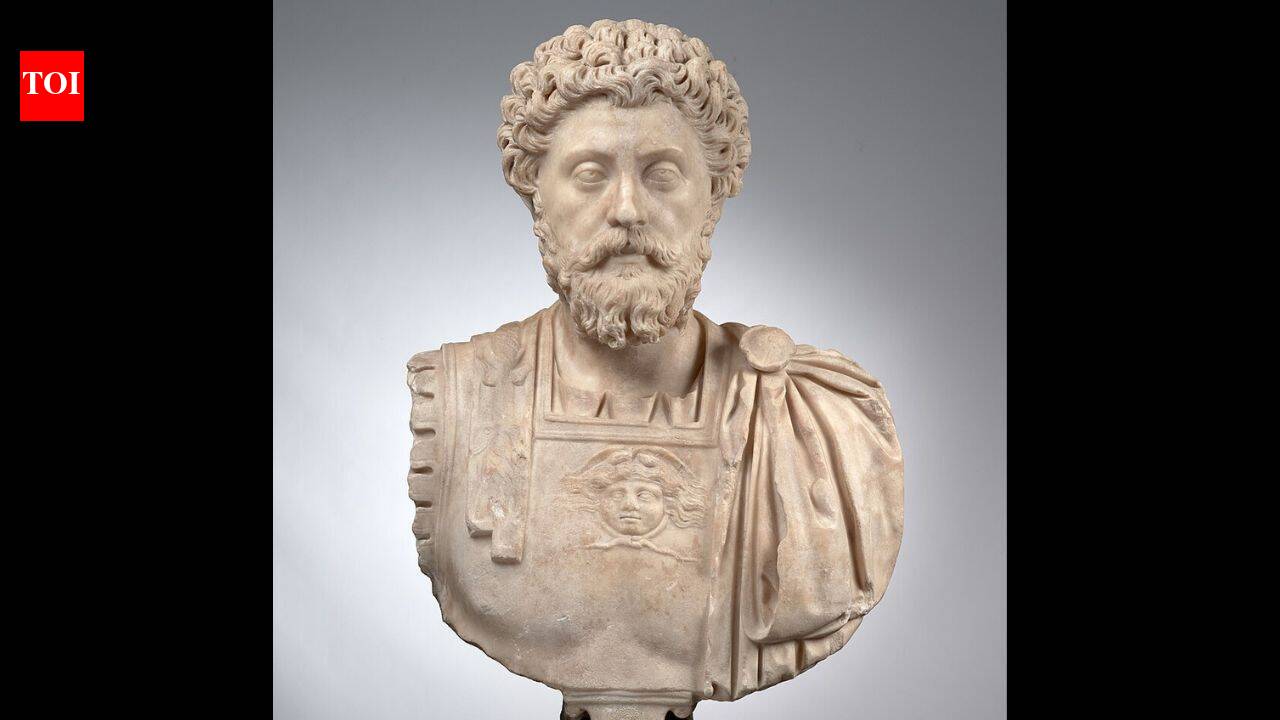
Marcus Aurelius (Image: Wikipedia) Quote of the day by Marcus Aurelius "The happiness of your life depends upon the quality of your thoughts." What Marcus
Marcus Aurelius (Image: Wikipedia) Quote of the day by Marcus Aurelius "The happiness of your life depends upon the quality of your thoughts." What Marcus Aurelius actually meant Written by an emperor, not a monk Why this idea keeps coming back A simple way to actually use this quote in daily life Other famous quotes by Marcus Aurelius "You have power over your mind, not outside events. Realise this, and you will find strength." "It is not events that disturb people, it is their judgements concerning them." "Waste no more time arguing about what a good man should be. Be one." "Very little is needed to make a happy life; it is all within yourself, in your way of thinking." Two people can sit through the exact same bad day and walk away from it completely differently. One replays every small annoyance until the whole day feels ruined. The other lets most of it go and remembers the one good conversation instead. Marcus Aurelius, the Roman emperor, wrote about this exact gap nearly two thousand years ago. "The happiness of your life depends upon the quality of your thoughts," he noted, before adding that it was worth guarding your mind carefully because of it.
He was not writing this for an audience. He was reminding himself, on a page nobody else was ever meant to read, at a time when his own life gave him plenty of reasons to think otherwise.He was not saying that positive thinking magically fixes hard circumstances. His point was narrower and more useful than that. The event itself, an insult, a delay, bad news, is just a fact. What actually determines how it feels to live through is the thinking layered on top of it afterwards.Two people can face an identical setback and end up in very different places emotionally, because one keeps adding fuel to it in their head and the other does not.Marcus was not asking anyone to pretend problems away. He was pointing at the part of the process people actually have some control over, which is not the event, but the running commentary about it.What makes this line land differently is who wrote it and when. Marcus Aurelius spent much of his reign fighting wars on the northern frontier of the Roman Empire, dealing with a devastating plague that killed a huge portion of the population, and managing constant political pressure, all while ruling one of the largest empires in history.Meditations, the book this quote comes from, was never written for publication.
It was his own private notebook, jotted down in tents and palaces alike, reminders to himself for days when it was hard to believe any of it. That context matters. This was not comfortable philosophy written from a position of ease. It was written by someone under enormous, constant pressure, trying to talk himself into a steadier way of thinking because the alternative was falling apart under the weight of his job.The basic claim in this quote, that your interpretation of events matters more than the events themselves, shows up again in modern psychology, particularly in cognitive behavioural therapy, which is built on the idea that changing thought patterns can change emotional outcomes even when circumstances stay the same.Marcus was making a version of that same observation almost two thousand years before anyone gave it a clinical name. That is a large part of why Meditations still gets read today. He was not describing an abstract theory. He was describing something people can recognise instantly from their own lives, the difference between a thought that makes a hard day worse and a thought that actually helps you get through it.The useful move here is noticing the gap between an event and your reaction to it, since most people skip past that gap so quickly they never see it happening.
 The BriefWire