Strait of Hormuz toll proposal: Which major waterways charge ships to transit
Under international law, ships are generally entitled to transit passage through straits used for international navigation. (AI image) Let’s take a look at some of
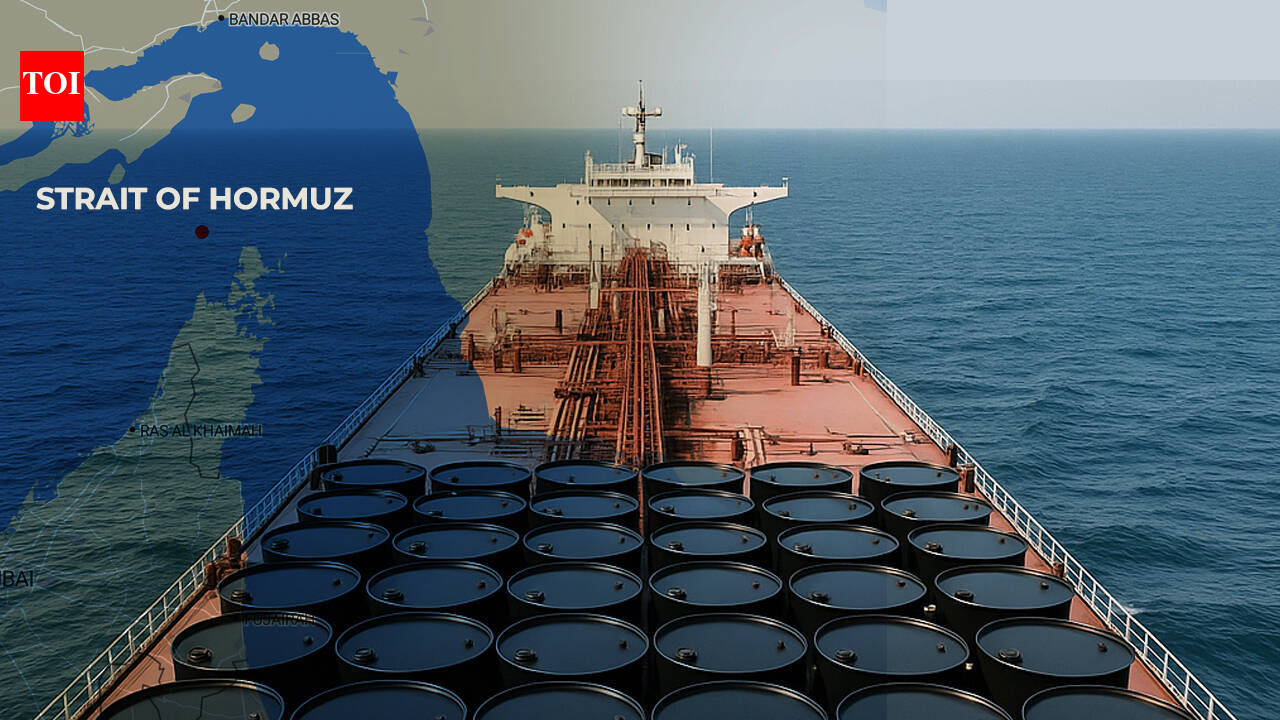
Under international law, ships are generally entitled to transit passage through straits used for international navigation. (AI image) Let’s take a look at some of the major waterways in the world and what fees they charge, if at all Strait of Hormuz Bosphorus and Dardanelles Straits Oresund Strait Strait of Malacca Bab el-Mandeb Strait Taiwan Strait Strait of Gibraltar Cape of Good Hope Panama Canal Suez Canal With the Strait of Hormuz now beginning to reopen, Iran and Oman — the two nations bordering the strait — have floated the idea of introducing a permanent fee system for ships using the passage.Until the US and Israel went to war with Iran, leading Tehran to shut the Strait of Hormuz, vessels passing through the world's most critical route for oil and liquefied natural gas trade were not required to pay any transit charges.The possibility of imposing transit charges in the Strait of Hormuz has drawn fresh attention to the dependence of global supply chains on a small number of strategically important waterways.Under international law, ships are generally entitled to transit passage through straits used for international navigation, and coastal states cannot levy charges on vessels merely for exercising that right. However, the legal framework does allow fees to be imposed for “specific services rendered to the ship.”Artificial waterways such as the Suez and Panama canals are governed under separate legal frameworks.As sovereign infrastructure, they are operated by authorities that have the right to collect fees from ships using those canals.The Strait of Hormuz links the Persian Gulf to the Gulf of Oman and the Arabian Sea. Around one-fifth of global oil trade moves through this narrow passage, transporting crude from Saudi Arabia, Iraq, Kuwait, the United Arab Emirates, Qatar and Iran to buyers across Asia, Europe and other regions.As a natural international waterway, it has traditionally allowed ships to pass freely under established navigation rights. That long-standing arrangement, however, was upended by the US-Israel war against Iran.Ships that continued to transit the waterway were required to pay ad hoc charges, with Iran seeking as much as $2 million per voyage, effectively creating an unofficial toll regime.Iran has now introduced a requirement for commercial ships to secure explicit permission before transiting the strait. The amount Iran ultimately intends to charge remains uncertain.In estimating the potential revenue the country could generate, the semi-official Tasnim News Agency published two scenarios in March—one assuming a fee of $2 million per vessel and another based on $400,000, which it estimated to be the transit cost through the Suez and Panama canals.The Bosphorus and Dardanelles are two straits within Turkish territory that link the Black Sea to the Mediterranean.
 The BriefWire