From NEET to E20 petrol: What's driving Arvind Kejriwal's renewed political push
It is hard not to notice the style framing of Arvind Kejriwal's recent videos. His messaging appears to be aimed squarely at Gen Z and
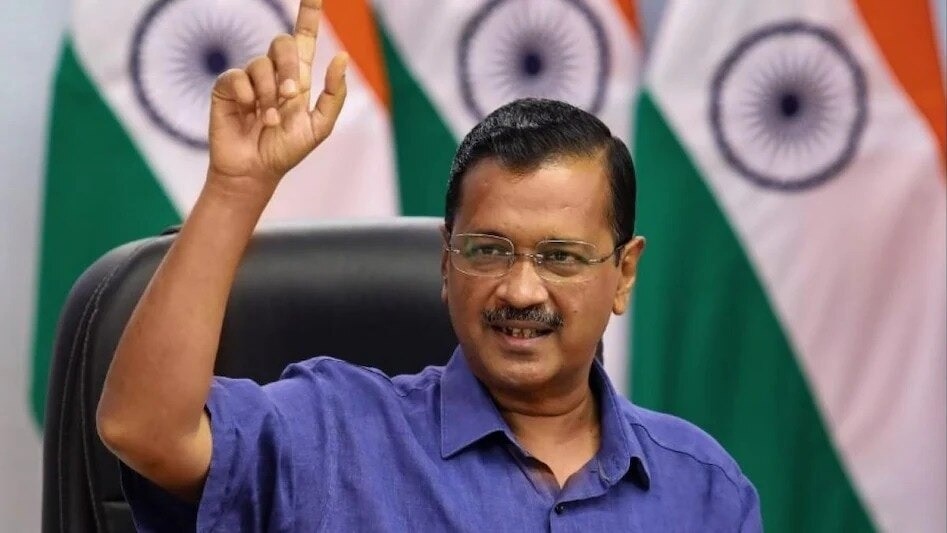
It is hard not to notice the style framing of Arvind Kejriwal's recent videos. His messaging appears to be aimed squarely at Gen Z and younger audiences. He is picking up issues that resonate with the middle class at large. The AAP chief was among the first Opposition leaders to take on the Central government over the NEET-UG paper leak issue. Kejriwal led from the front - through press conferences, short social media videos and repeated appeals to young people to launch an agitation against paper leaks. At the time, it appeared to be a one-off burst of outrage. Read Full Story In the weeks that followed, however, the Aam Aadmi Party's media team remained busy scheduling and staging Kejriwal's press conferences. He attempted to exploit every opportunity that came the Opposition's way. For instance, AAP MP Sanjay Singh has consistently been among the Opposition leaders levelling corruption allegations against those linked to the Ram Mandir Trust in Ayodhya. However, it never became the AAP's central political plank, largely because the party has very little electoral presence in poll-bound Uttar Pradesh.
But when the Ram Mandir "chanda chori" controversy erupted, Kejriwal seized the opportunity. He travelled to Ayodhya, offered prayers on June 26, and then went all guns blazing against those facing allegations of corruption and financial embezzlement. Days later, back in Delhi, Kejriwal escalated his attack by demanding the death penalty for those responsible. The AAP chief alleged that the masterminds behind the alleged "chanda chori" were being protected. The sequence of events - AAP MP Sanjay Singh handing over documents, Kejriwal's Ayodhya visit and the subsequent registration of an FIR in the alleged donation scam, further helped the party establish its narrative. More importantly, Kejriwal's recent political calendar has begun to look increasingly purposeful. His body language appears noticeably more confident, and his messaging is sharper and more consistent, a rare sight in Delhi after the party's electoral debacle in 2025. While the Ram Temple donation controversy dominated headlines, the Centre was also preparing to deal with another emerging flashpoint, growing anger among young people over ethanol-blended petrol. Social media reels and online narratives, including misinformation surrounding E20 fuel, had intensified by the end of June.
The debate spread like wildfire. Kejriwal sensed another political opportunity. By July 3, he had made his next target clear: a campaign against E20 petrol and a letter he said he would write. He has already written to 29 vehicle manufacturers in India, seeking clarity on the impact of E20 petrol on E10-compliant vehicles, with companies such as Toyota Kirloskar, Maruti Suzuki and Hero MotoCorp among those in focus. Next week, the letter addressed to the Prime Minister is expected to be made public. Notably, the sequencing of his political interventions appears deliberate, with each move carefully calculated. When journalists questioned him about Delhi's alleged medical procurement scam, Kejriwal responded that he would address the issue in the coming days. On at least three occasions, the AAP chief has himself briefed reporters about his next political issue and his next move, including his plans to meet car owners and visit service centres to gauge public opinion on ethanol-blended petrol. In Delhi, he is focusing on issues that could politically hurt the BJP-led Central government. In Punjab, his attention remains on ensuring that the Bhagwant Mann government's work reaches the party's core voters and beyond.
 The BriefWire