Saif Ali Khan was asked to perform a nude scene in Omkara. He regrets saying no
Actor Saif Ali Khan has recalled an unusual suggestion from director Vishal Bhardwaj while shooting Omkara, saying the filmmaker had once proposed filming one of
Actor Saif Ali Khan has recalled an unusual suggestion from director Vishal Bhardwaj while shooting Omkara, saying the filmmaker had once proposed filming one of Langda Tyagi's most crucial scenes with him completely naked. Speaking to The Hollywood Reporter India, Saif looked back on the making of the 2006 film, which marks 20 years this month. He said he had turned down the idea at the time because there was a huge crowd on the set, but now feels it might have elevated the scene. Read Full Story Recalling the moment, Saif said Bhardwaj had asked if he would perform a long mirror sequence without any clothes. “It was a very exciting thing, but I was a bit conscious because there was a huge crowd on the set,” he said. Saif added that he told the director he would agree only if Bhardwaj himself directed the scene in the same way.
“He said, ‘No, I won’t.’ So, yeah, that was the funny part," he said. Looking back nearly two decades later, Saif said he has no regrets about taking risks as an actor and believes the scene might have been even more striking had he agreed. He said that, if shot from behind in silhouette, it would have matched the raw vulnerability of Langda Tyagi’s state of mind. “I’d do it today,” he said. Saif’s account also offered a glimpse into Bhardwaj’s instinctive filmmaking process. He said the scene had originally been written as a lengthy monologue in which Langda Tyagi clearly spells out his plans for revenge. But on the day of the shoot, Bhardwaj dropped the dialogue and chose a visual approach instead. Rather than having the character speak his thoughts aloud, Bhardwaj imagined Langda standing silently before a mirror, holding a heavy metal object before smashing the glass.
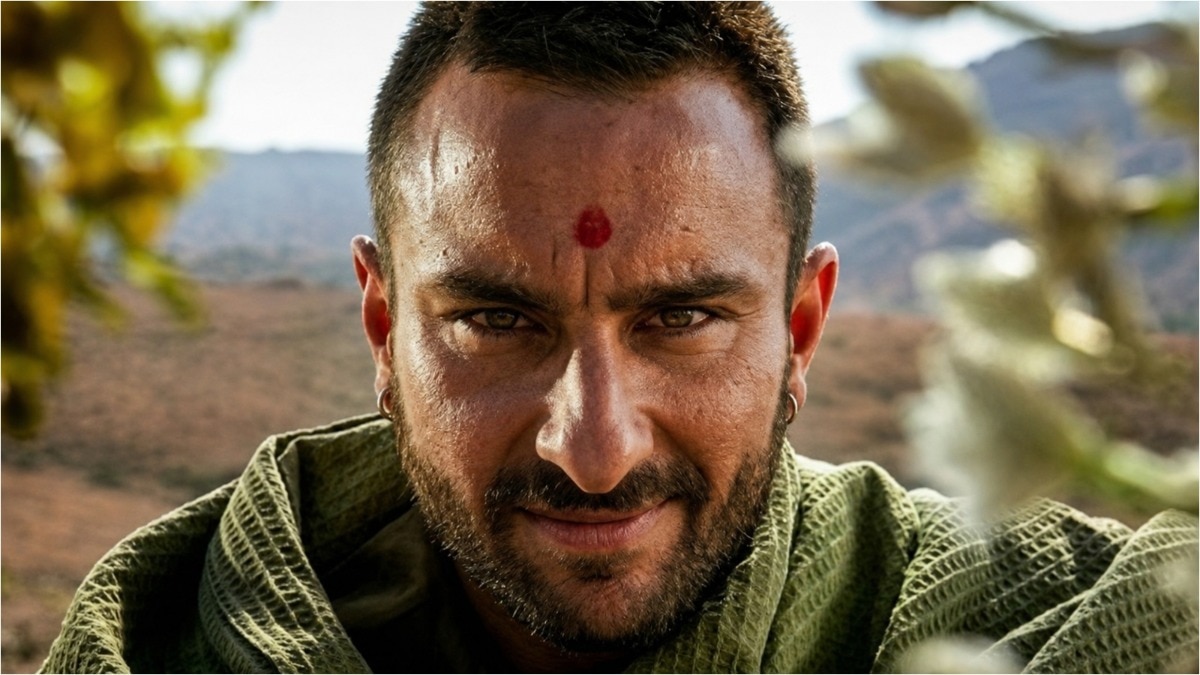
As the mirror shattered, the broken reflections would reflect the character’s emotional state. His bleeding hand would then smear blood across his forehead, becoming a wordless declaration of vengeance. “So he said, ‘I don’t want you to say any dialogues... You don’t need to say anything. That’s the whole scene,’” Saif recalled. He added that he immediately understood what the director was trying to do. “How economical and clever,” he said, describing it as one of many moments during the shoot when Bhardwaj relied on visual storytelling over exposition. The mirror sequence went on to become one of Omkara’s most memorable moments, relying almost entirely on imagery instead of dialogue to show Langda Tyagi’s descent into revenge. It also came to define one of the most celebrated performances of Saif’s career. An adaptation of William Shakespeare’s Othello, Omkara explored caste, power and patriarchy through the politics of rural Uttar Pradesh.
 The BriefWire