Pimples before periods? Here's what your body may be trying to tell you
For many women, acne before periods has become a monthly struggle. Just when the skin starts looking clear, painful pimples suddenly appear around the chin
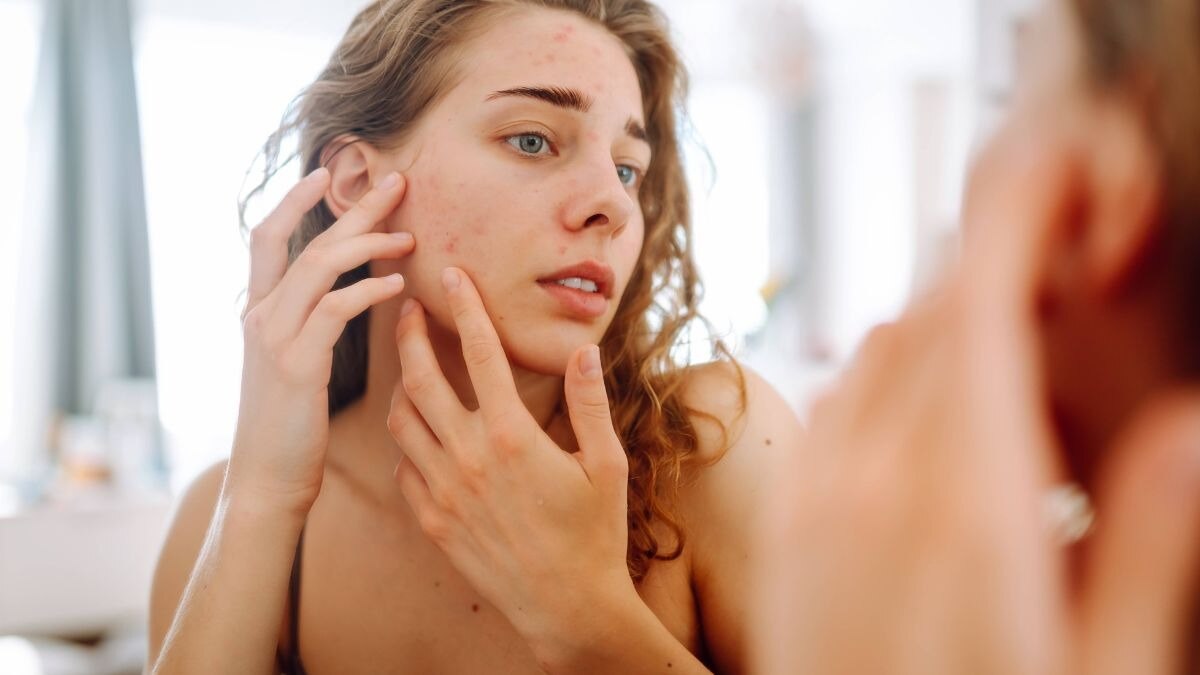
For many women, acne before periods has become a monthly struggle. Just when the skin starts looking clear, painful pimples suddenly appear around the chin, jawline, or cheeks a few days before menstruation. While many people blame skincare products or food habits, doctors say the real reason often lies inside the body: hormonal changes. According to Dr Sonali Kohli, Senior Consultant in Dermatology at Sir H.N. Reliance Foundation Hospital, hormonal fluctuations before menstruation are one of the biggest reasons behind these breakouts. Right before periods begin, oestrogen levels in the body start dropping, while androgen activity increases. This hormonal shift stimulates the sebaceous glands to produce more oil, also known as sebum. Read Full Story When excess oil mixes with dead skin cells and bacteria, pores become clogged, leading to acne. This is why many women suddenly develop pimples, whiteheads, or painful cystic acne just before their periods.
WHY DOES ACNE APPEAR MOSTLY AROUND THE CHIN AND JAWLINE Hormonal acne usually appears around the lower part of the face, especially the jawline, chin, and cheeks. Dermatologists say this pattern is commonly linked to hormonal activity. Some women may notice only a few pimples, while others experience painful cysts, redness, sensitivity, or skin inflammation every month. Even women who follow a strict skincare routine can still face hormonal breakouts because the trigger comes from inside the body. LIFESTYLE HABITS CAN MAKE ACNE WORSE Doctors say hormones are not the only reason behind period acne. Certain lifestyle factors can worsen skin problems before menstruation. Stress is considered one of the biggest triggers. When stress levels rise, the body releases cortisol, which can increase oil production and inflammation in the skin. Lack of sleep, dehydration, unhealthy eating habits, and excessive sugar intake can also contribute to flare-ups.
Many women also notice that their skin becomes more sensitive before their periods, making harsh skincare products or over-scrubbing more damaging during this time. WHEN SHOULD YOU WORRY ABOUT HORMONAL ACNE? Occasional acne before periods is considered normal. However, doctors warn that severe or repeated hormonal acne may sometimes point to underlying health conditions. Women should consider consulting a doctor if acne is accompanied by Irregular periods Excess facial hair growth Sudden weight gain Hair thinning or hair loss These symptoms may indicate conditions such as Polycystic Ovary Syndrome (PCOS), thyroid disorders, or increased androgen levels. HOW TO MANAGE ACNE BEFORE PERIODS Experts recommend a combination of skincare and healthy lifestyle habits to reduce hormonal acne. Some useful steps include Using gentle and non-comedogenic skincare products Washing the face regularly without harsh scrubbing Staying hydrated Eating a balanced diet Reducing excessive sugar and processed foods Managing stress levels Getting enough sleep In some cases, dermatologists may prescribe topical creams, hormonal treatments, or lifestyle modifications depending on the severity of acne.
Kohli advises women not to overuse acne products before periods, as this can irritate the skin further and damage the skin barrier. HORMONAL ACNE IS COMMON, BUT UNDERSTANDING IT MATTERS Doctors say period-related acne is extremely common and nothing to feel embarrassed about. However, understanding the body’s hormonal patterns can help women manage breakouts better and identify when symptoms may need medical attention. Instead of treating every breakout as a skincare failure, experts suggest paying attention to overall health, stress levels, sleep, and hormonal balance. Small lifestyle changes, along with the right skincare routine, can often make a significant difference over time. Ends
 The BriefWire