Why chocolate comes wrapped in foil: The surprising science behind its shiny protective layer
Image: Canva Why foil became the preferred packaging for chocolate How foil protects chocolate from spoilage Why chocolate is sensitive to heat and odours Why
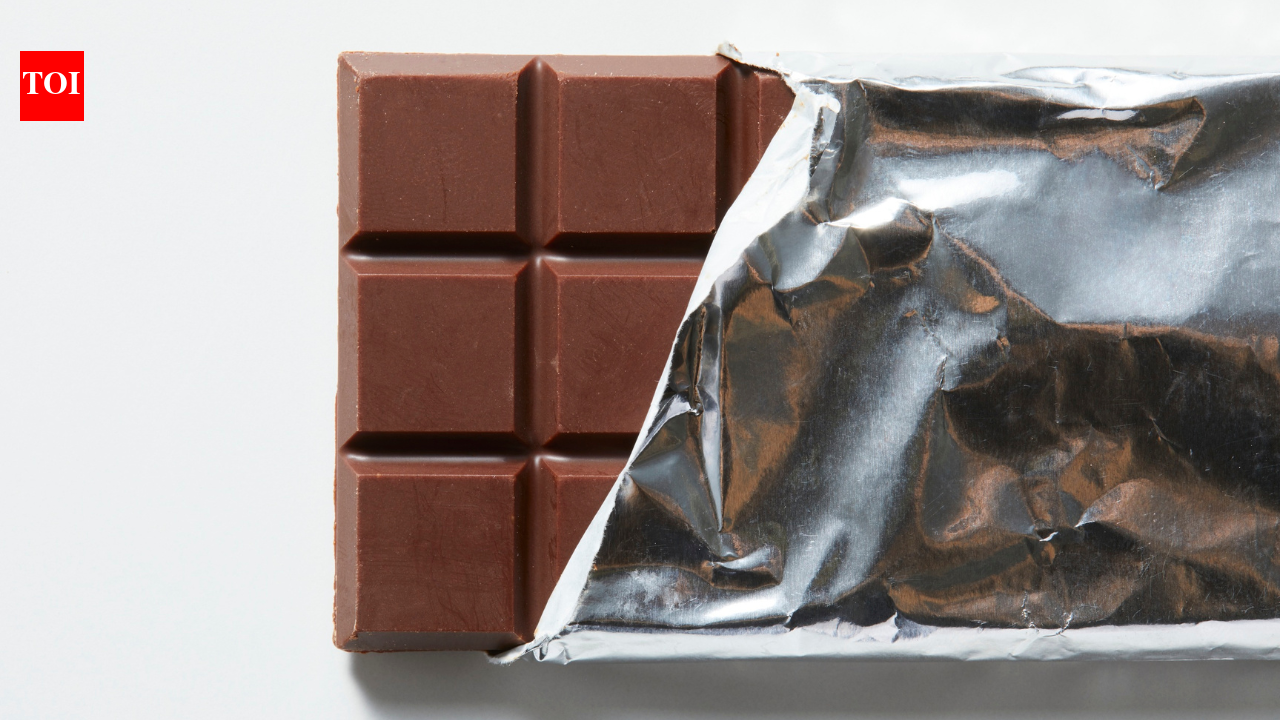
Image: Canva Why foil became the preferred packaging for chocolate How foil protects chocolate from spoilage Why chocolate is sensitive to heat and odours Why many chocolates now use layered packaging Unwrapping the real purpose of chocolate foil From luxury truffles to everyday chocolate bars, foil has long been one of the most recognisable forms of chocolate packaging. While its glossy metallic appearance adds a premium feel, its purpose goes far beyond aesthetics. Chocolate is highly sensitive to heat, moisture, oxygen and strong odours, all of which can affect its texture, flavour and shelf life. Foil acts as an effective protective barrier, helping preserve the chocolate's quality from the moment it leaves the factory until it is unwrapped. Although many modern products now combine aluminium foil with paper or plastic layers, the principle remains the same. Here's why chocolate is wrapped in foil and how this simple material became an essential part of confectionery packaging.According to the Henan Tandelli Metallurgical Materials, chocolate manufacturers began using aluminium foil in the early twentieth century because it offered far better protection than paper alone while remaining lightweight, flexible and easy to mould around delicate chocolate bars without damaging them.Unlike paper, aluminium creates a near-impermeable barrier against air, moisture and light, helping to preserve the chocolate's flavour, aroma and smooth texture for much longer.Its shiny metallic finish also gave chocolates a more luxurious appearance, making them especially appealing as gifts and premium confectionery.
Manufacturers often paired the foil with an outer paper sleeve, which provided space for branding, product information and decorative designs while adding another layer of protection.Before aluminium foil became widely available, chocolatiers relied on waxed paper, parchment or tin foil to package their products. Although these materials offered some protection, they were generally less effective at preventing oxidation, moisture loss and contamination from external odours.As aluminium production expanded and became more affordable during the twentieth century, it rapidly replaced older packaging materials because it was cleaner, lighter, non-toxic and highly resistant to corrosion. Its excellent barrier properties not only extended shelf life but also helped ensure that chocolate retained its distinctive taste and quality from the factory to the consumer, making aluminium foil the industry standard for decades.According to Jiangsu Hanlin Pharmaceutical Packaging Technology, one of aluminium foil's greatest advantages is that it acts as an excellent barrier against oxygen, moisture and light. Exposure to oxygen gradually causes fats in chocolate to oxidise, leading to stale flavours over time. Moisture can alter the texture of chocolate and encourage sugar bloom, where sugar crystals rise to the surface and create a white, grainy coating.Foil also blocks ultraviolet light, which can degrade flavour compounds and reduce product quality during storage.
 The BriefWire