'Billions Spent On Security, Yet No Safety': Pakistan Opposition Tears Into State Over Balochistan
'Billions Spent On Security, Yet No Safety': Pakistan Opposition Tears Into State Over Balochistan Reported By, Edited By Last Updated: July 09, 2026, 11:24 IST
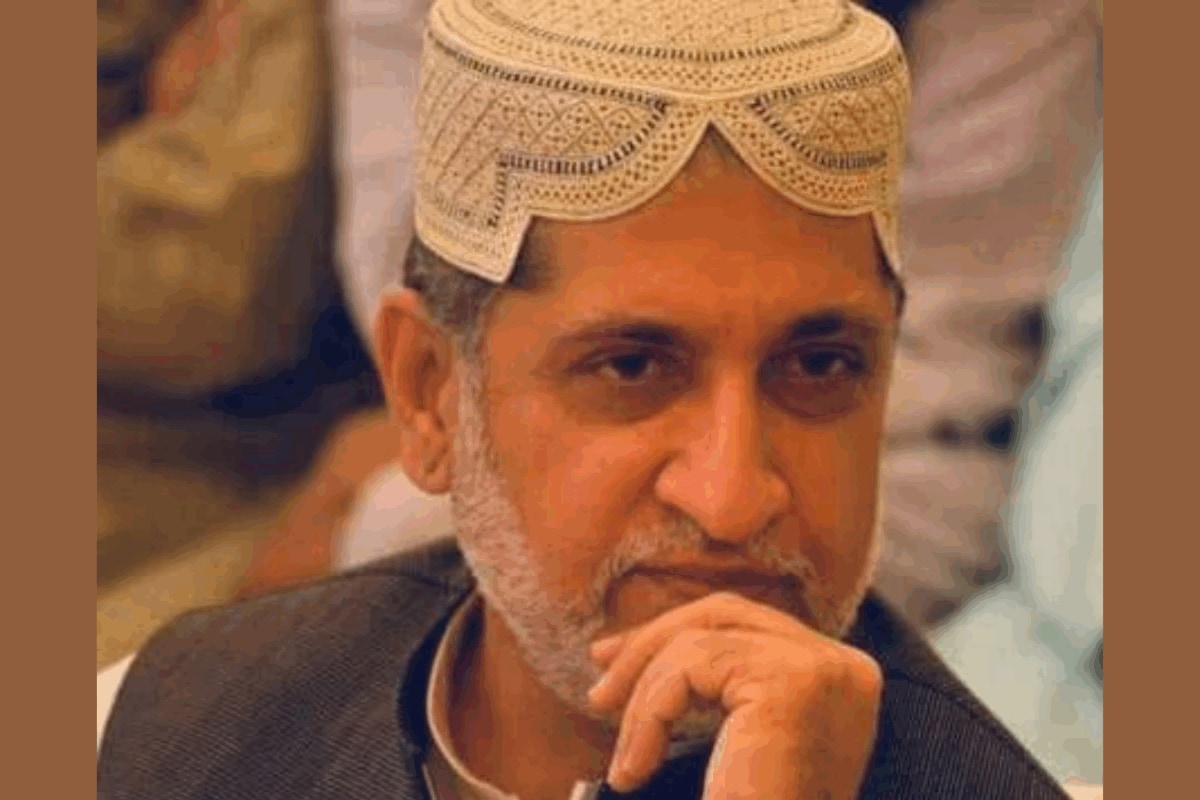
'Billions Spent On Security, Yet No Safety': Pakistan Opposition Tears Into State Over Balochistan Reported By, Edited By Last Updated: July 09, 2026, 11:24 IST The strongest remarks came from Akhtar Jan Mengal, who said he had "become completely disillusioned with all the institutions of Pakistan." Rapid Read Akhtar Jan Mengal, president of the Balochistan Party-Mengal (BNP-M). Pakistan’s opposition leaders launched a blistering attack on the country’s political and security establishment at a Pakistan Tehreek-e-Insaf (PTI)-led All Parties Conference (APC) on Balochistan, declaring that Parliament, the judiciary and mainstream political parties have become incapable of resolving the province’s long-running crisis. The conference, held at KP House in Islamabad, brought together leaders from across the opposition spectrum to discuss the deteriorating security situation in Balochistan, the issue of enforced disappearances, resource distribution and concerns over mining-related policies. Participants collectively called for dialogue instead of force and demanded the recovery of missing persons. The strongest remarks came from Akhtar Jan Mengal, president of the Balochistan Party-Mengal (BNP-M), who said he had “become completely disillusioned with all the institutions of Pakistan." Mengal argued that the Balochistan issue could no longer be resolved through Pakistan’s existing political or judicial institutions because, in his view, they were “completely helpless." Pointing to the situation of PTI, he said the country’s largest political party had seen its parliamentary strength diminished, its provincial mandate undermined and its reserved seats taken away, while it had also failed to secure relief for former prime minister Imran Khan through the courts.
According to Mengal, these developments illustrated the limited ability of political institutions to influence major national issues. Calling for an international mechanism, Mengal proposed the formation of a United Nations fact-finding commission to investigate the situation in Balochistan. He said such a body should independently determine responsibility and hold accountable whichever actors—including political parties, the state, the establishment or security forces it found responsible. Mengal also questioned Pakistan’s security policies in the province, saying that despite billions of rupees being allocated annually for security in Balochistan, ordinary citizens continued to face worsening law and order. He claimed that while government compounds, cantonments and the Secretariat remained heavily protected, large parts of Quetta and surrounding areas had become unsafe even during daylight hours. Using the analogy of a “shared house," Mengal said the Baloch people felt excluded from Pakistan’s political arrangement despite being told they were equal stakeholders. He argued that the existing constitutional arrangement had failed and called for a “new social contract" that would genuinely reassure Baloch citizens that they were equal participants in the federation. Pashtunkhwa Milli Awami Party (PKMAP) chairman Mahmood Khan Achakzai echoed many of these concerns, saying Pashtuns and Baloch had historically fought to preserve their internal autonomy and would not compromise on that principle.
 The BriefWire