Big fashion brands fight a new battle in India
A grid of about 800 sewing machines whir, rows of hissing irons let out clouds of steam and hundreds of workers move across a production
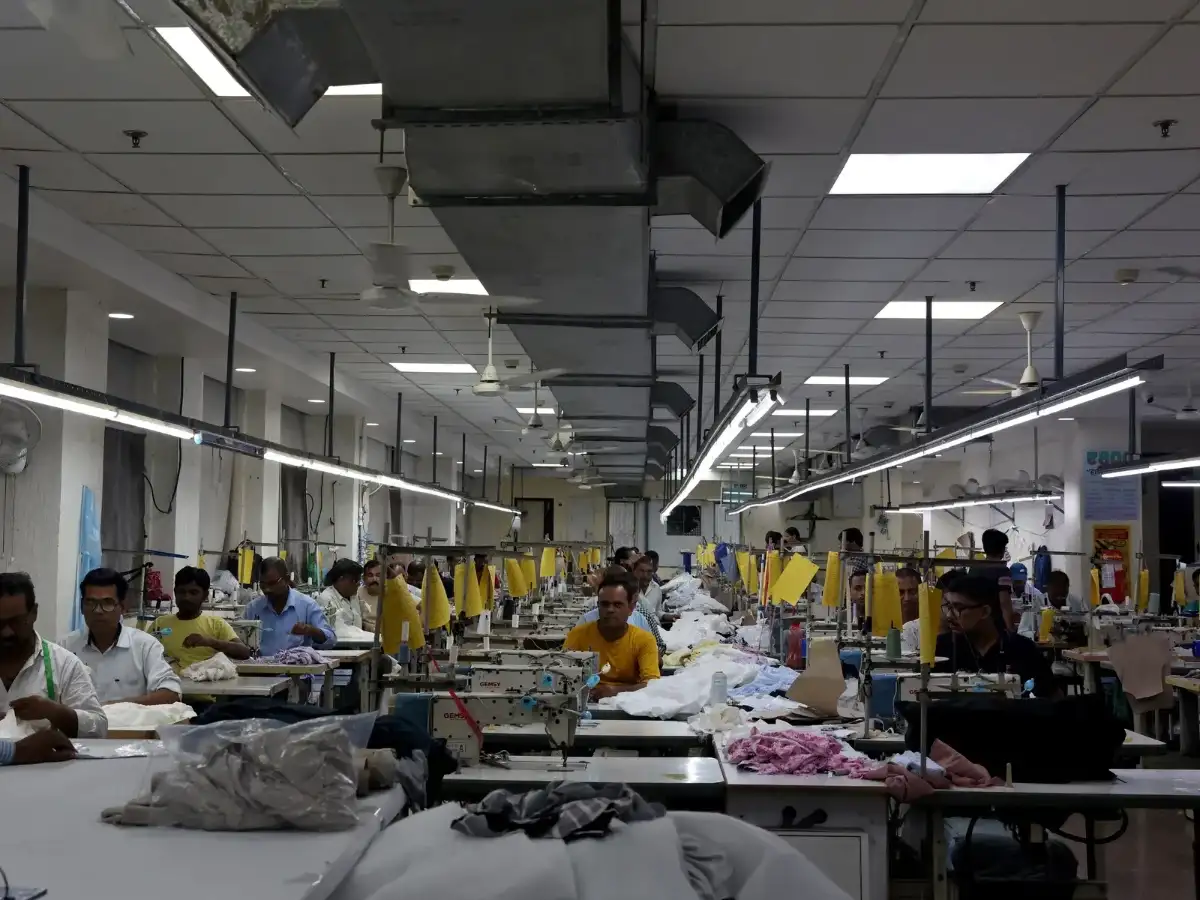
A grid of about 800 sewing machines whir, rows of hissing irons let out clouds of steam and hundreds of workers move across a production floor at a vast clothing manufacturing facility in eastern India, some using laser-guided cutters to slice through giant rolls of fabric.Outside the sprawling site in Khordha, Odisha — a 40-acre campus intended to eventually pack in as many as 10,000 staff — temperatures on a late June morning hover around 34C, and feel far more extreme as hot, damp winds sweep in from the Bay of Bengal to deliver punishing humidity.The conditions appear all too familiar for supply chains across Asia that serve the $1.7 trillion global fashion industry, and in which tens of millions of employees — predominantly women — face increasingly severe impacts from extreme heat, frequently with inadequate protections inside their workplaces.Also read | JioStar taps AI for shopping, TV movie night ideasIn India, scorching temperatures are driving higher employee absences and contributing to productivity losses of as much as 10% for garment manufacturers during the peak summer months, according to a June study by the NYU Stern Center for Business and Human Rights.Production lines for the clothing industry have long been particularly susceptible to the effects of extreme temperatures — often combining large numbers of workers in close proximity, high volumes of heat-generating equipment, and basic or poorly ventilated buildings.“Industrial architecture was designed to keep the most economically important component in the factory safe — which was the machines,” says Vidhura Ralapanawe, executive vice president for innovation and sustainability at Epic Group, a garment supplier which opened its new Khordha campus in April with an ambition of tackling workplace heat.The wider clothing sector has been slow to address the impacts of surging temperatures on employees, according to Ralapanawe. “It’s like the crab in the boiling pot of water. You don’t see the problem because it’s happening so slowly,” he says. “By the time you realize the thresholds are crossed, it comes as a shock.”India has suffered through another blistering summer heat season in 2026, and accounted for all 50 of the world’s hottest cities identified in studies of global temperatures in April and May by AQI.
in.Step into Epic’s Trimetro campus, through airlock-style doors and past machinery blasting out a curtain of chilled air, and the tropical stew outside vanishes. Thick overhead pipes circulate cool gusts across production lines, while huge fans suspended from ceilings slowly push a continuous breeze toward workers, keeping the temperature inside closer to 28C.Also read | Can US President Trump 'cut off all trade' with Spain?Beneath the sweeping blades, Mamata Sahani, 23, and Madhusmita Das, 27, guide fabric through stitchers. Their faces are dry and collars free of sweat, and the pair joke together as the factory’s speakers broadcast a mix of Hindi film soundtracks and Odia devotional songs.In a previous job at a different factory there was minimal cooling equipment, Sahani explains. “We just had a few fans across the factory floor. During summers the tin roof got so hot that we felt we were baking,” she says. "I am able to work better here. It isn't hot, so I can focus on my work more.”More than 90 million people are directly employed in the world’s apparel industry — roughly half of those in India — and face increasingly frequent and severe impacts from weather extremes, Cornell University’s Global Labor Institute and the International Finance Corp. said in a report last November.The analysis of 23 major global production hubs found that over the past two decades roughly three-quarters of the locations had experienced a 10% or more increase in the average number of days with temperatures above 35C, and seen accelerating patterns of dangerous heat stress.In India alone, 87% of garment workers had experienced heat-related illnesses in the past 12 months, according to a study published in February by HeatWatch and the Tata Institute of Social Sciences.“We need to stop treating heat as an inevitable cost of doing business and start engineering towards a future where productivity and human comfort or dignity are not compromised,” said Ying McGuire, chief executive officer of Cascale, a nonprofit focused on climate and labor issues in the consumer goods industry.Epic Group’s Trimetro facility was designed specifically to limit temperatures, rather than simply rely on cooling.
 The BriefWire