US-Iran Ceasefire Collapses: Why The Deal Was Fragile From Day One
US-Iran Ceasefire Collapses: Why The Deal Was Fragile From Day One Published By, Last Updated: July 09, 2026, 09:11 IST The agreement bought time, not
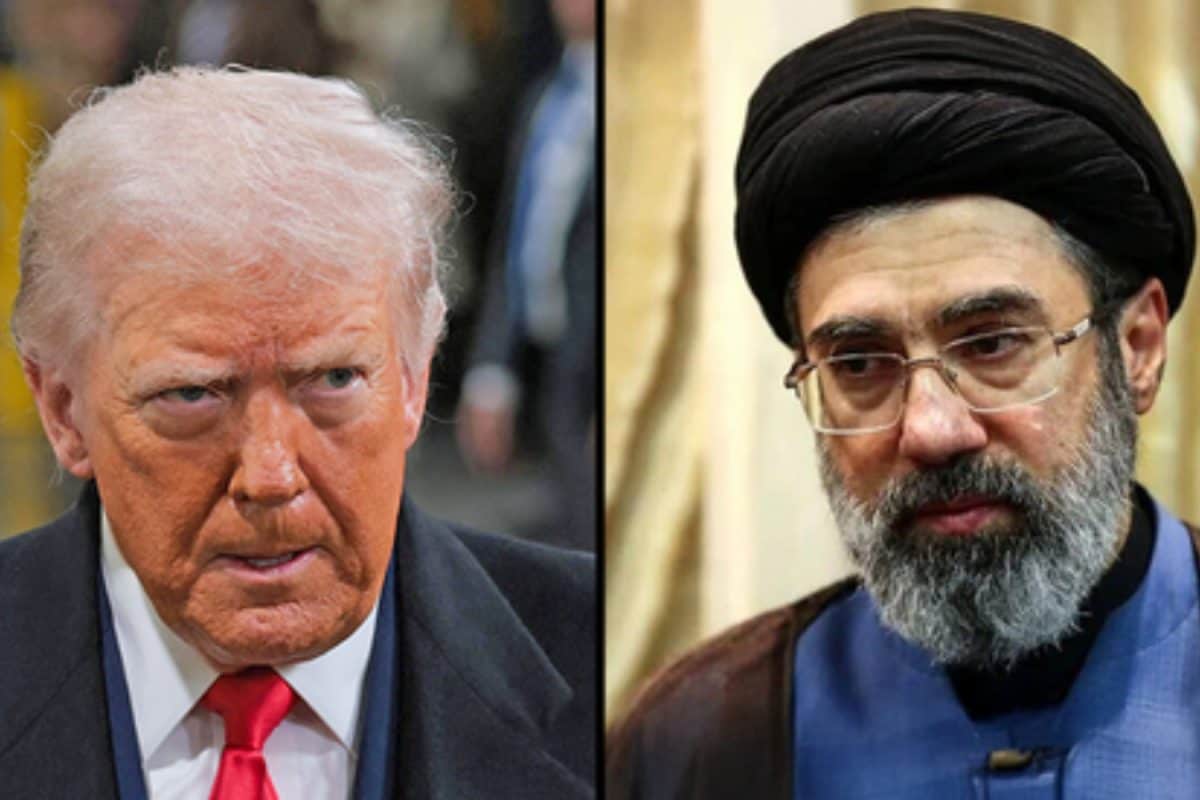
US-Iran Ceasefire Collapses: Why The Deal Was Fragile From Day One Published By, Last Updated: July 09, 2026, 09:11 IST The agreement bought time, not peace. Here's why the US-Iran ceasefire unravelled in less than a month. Rapid Read US President Donald Trump and Iran's Supreme leader Mojtaba Khamenei (Photos: AFP) Barely three weeks after US President Donald Trump hailed a ceasefire with Iran as a diplomatic breakthrough, the agreement has unravelled, pushing the Middle East back towards a dangerous cycle of military escalation. Speaking on the sidelines of the NATO summit in Ankara on July 8, Trump declared that the ceasefire was “over" and dismissed further negotiations with Tehran as “a waste of time", after both countries exchanged fresh military strikes. Iran targeted commercial shipping in the Strait of Hormuz and later launched retaliatory attacks on US military installations in Bahrain and Kuwait after Washington struck more than 80 Iranian targets and reimposed sanctions on Iranian oil sales. The speed with which the truce collapsed has raised an obvious question: was the ceasefire ever built to last? The agreement may have been less a durable peace settlement and more a pause in hostilities that left the core drivers of the conflict untouched. Why The Ceasefire Was Inherently Fragile The ceasefire signed at Versailles on June 18 was widely presented as a breakthrough. Trump described it as Iran’s “unconditional surrender", while the agreement offered Tehran limited economic relief through the easing of restrictions on its oil exports in exchange for reopening the Strait of Hormuz to commercial shipping. However, the agreement resembled a deferred crisis rather than a lasting peace.
It paused active fighting without addressing the issues that had triggered the conflict in the first place. That meant the deal contained the seeds of future confrontation from the moment it was signed. The memorandum of understanding (MoU) linked two immediate objectives: restoring freedom of navigation through one of the world’s busiest oil chokepoints and easing economic pressure on Iran through sanctions relief. But several broader regional disputes remained unresolved. The Missing Piece: Israel And Lebanon Perhaps the biggest weakness in the agreement was that it did little to address the security concerns of Israel or the future of Iran-backed armed groups in Lebanon. One of Iran’s principal objectives was preventing further Israeli military action against Hezbollah, which remains one of Iran’s most important regional allies. Israel, however, was not a party to the ceasefire agreement. For Israeli Prime Minister Benjamin Netanyahu, suspending military operations against Hezbollah indefinitely in exchange for a US-Iran understanding was never considered a viable long-term security arrangement. Reports at the time suggested Netanyahu was deeply unhappy with the deal, while later remarks reinforced Israel’s position that the conflict had merely paused rather than ended. Shortly after the agreement was signed, Netanyahu said Israel’s “struggle is not over" and that its military would “remain in these security zones for as long as necessary to defend our country". Why The Strait Of Hormuz Remains The Conflict’s Biggest Pressure Point Roughly a fifth of the world’s traded oil passes through the narrow waterway connecting the Persian Gulf with international shipping routes. Any disruption immediately affects global energy prices and international trade.
 The BriefWire