US Renews Call For China-Dalai Lama Talks After Tibetan Activist's Self-Immolation
US Renews Call For China-Dalai Lama Talks After Tibetan Activist's Self-Immolation Published By, Last Updated: July 09, 2026, 05:39 IST US said it supports the
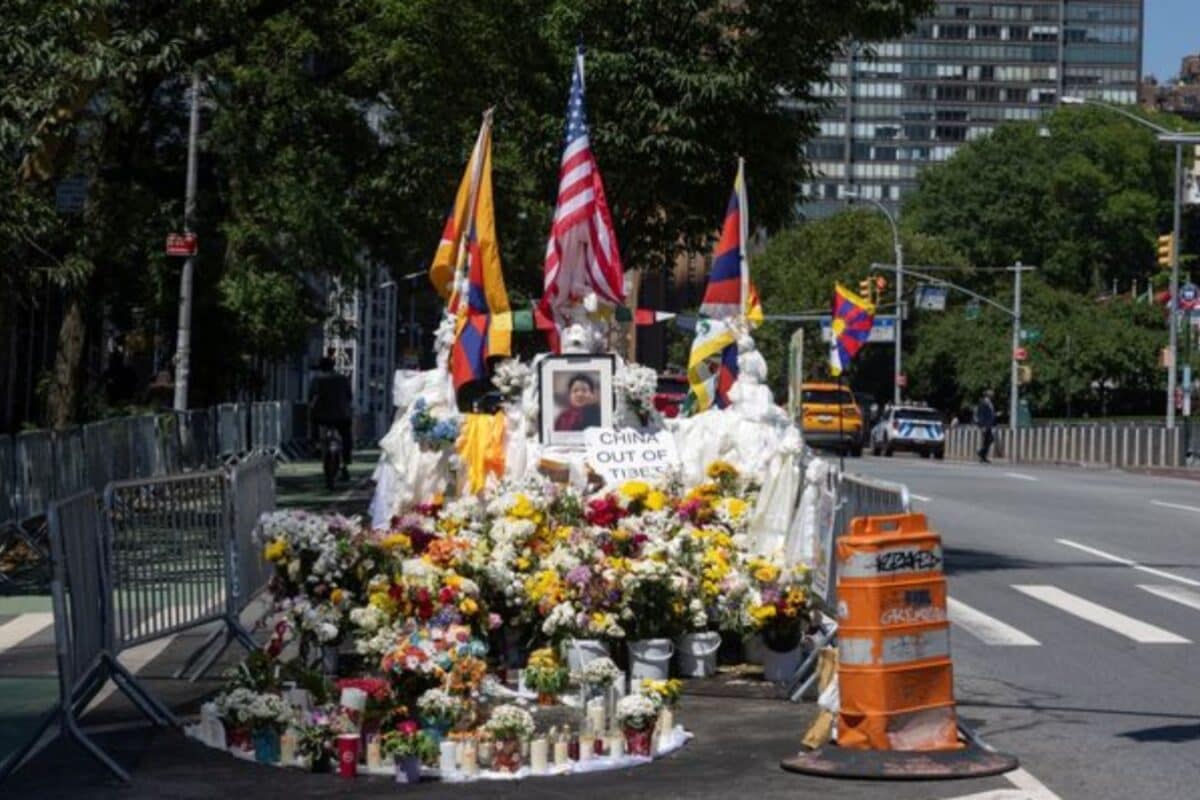
US Renews Call For China-Dalai Lama Talks After Tibetan Activist's Self-Immolation Published By, Last Updated: July 09, 2026, 05:39 IST US said it supports the rights of Tibetans to preserve their culture, language and religion, and will continue to encourage talks between Beijing and Tibetan representatives. A makeshift memorial for Tibetan activist Lobga Rangzen in New York City. (Reuters file photo) The United States has renewed its call for China to resume dialogue with the Dalai Lama after a Tibetan activist died following a self-immolation protest outside the United Nations headquarters in New York last week. A US State Department spokesperson said Washington supports the rights and aspirations of Tibetans to preserve their culture, language and religion, and will continue to encourage talks between Beijing and Tibetan representatives. “The United States is committed to supporting the unalienable human rights and aspirations of Tibetans to celebrate and preserve their unique culture, language, and religion without fear of interference," the spokesperson said.
“The United States will continue to call on China to return to direct dialogue, without pre-conditions, with the Dalai Lama and his representatives, and with the democratically elected Tibetan leaders, to resolve differences and achieve meaningful autonomy for Tibetans," the statement added. Tibetan activist dies after protest outside UN The man who died was identified by activists and Tibetan exile groups as Lobga Rangzen, a pro-Tibet campaigner who set himself on fire outside the UN headquarters in New York. Voice of Tibet reported that Rangzen self-immolated after making a live appeal for Tibetan independence and unity. Tencho Gyatso, president of the International Campaign for Tibet, described him as a committed advocate who worked to raise awareness about human rights issues in Tibet. According to Gyatso, Rangzen had opposed China’s “Law on Promoting Ethnic Unity and Progress", which Beijing says is aimed at strengthening a shared national identity among ethnic groups.
Critics argue the policy could further restrict the rights of minority communities, including Tibetans and Uyghurs. China has ruled Tibet since sending troops into the Himalayan region in 1950. The Dalai Lama, Tibet’s spiritual leader, has lived in exile in India since fleeing Tibet in 1959 after a failed uprising against Chinese rule. The Dalai Lama has long advocated a “Middle Way" approach, seeking greater autonomy for Tibet through dialogue and non-violence rather than independence. Washington has expressed support for Tibetan human rights concerns under both Republican and Democratic administrations, while Beijing has repeatedly rejected foreign involvement in what it considers an internal matter. (With input from Reuters) News18 Newsletter Handpicked stories, in your inbox A newsletter with the best of our journalism submit About the Author News Desk The News Desk is a team of passionate editors and writers who break and analyse the most important events unfolding in India and abroad.
 The BriefWire