Supercop Or Symbol Of State Excess? How Diljit Dosanjh’s 'Satluj' Has Reignited War Over KPS Gill’s Legacy
Supercop Or Symbol Of State Excess? How Diljit Dosanjh’s 'Satluj' Has Reignited War Over KPS Gill’s Legacy Written By, Last Updated: July 08, 2026, 22:50
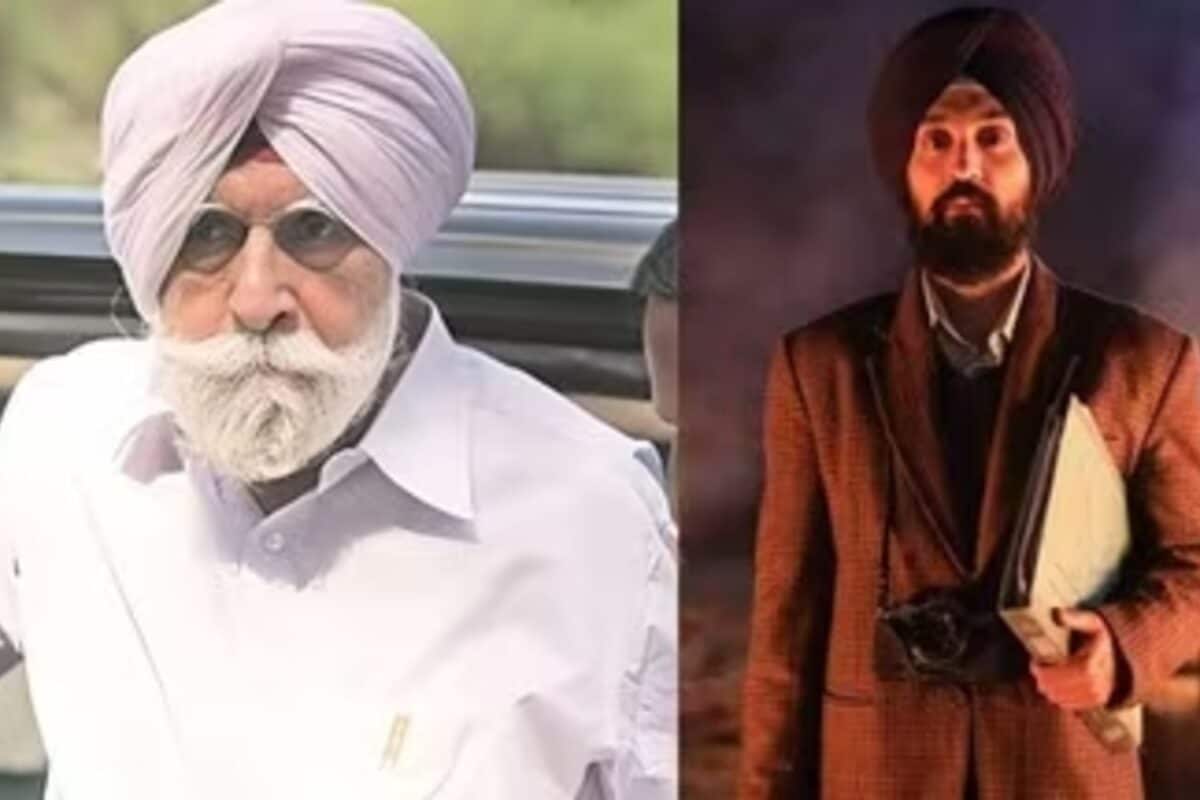
Supercop Or Symbol Of State Excess? How Diljit Dosanjh’s 'Satluj' Has Reignited War Over KPS Gill’s Legacy Written By, Last Updated: July 08, 2026, 22:50 IST As the Director General of Punjab Police during the peak of the Khalistan insurgency, KPS Gill remains the most polarising figure in the state’s modern history Gill's name has once again entered public discussion following the release of Satluj, the Diljit Dosanjh-starrer based on the life of human rights activist Jaswant Singh Khalra. Image/Instagram The OTT removal of the Diljit Dosanjh-starrer controversial film Satluj—originally titled Panjab ’95—has once again revived a fierce, decades-old debate over Kanwar Pal Singh Gill. As the Director General of Punjab Police during the peak of the Khalistan insurgency, KPS Gill remains the most polarising figure in the state’s modern history. To his supporters, he is the heroic “Supercop" who saved India from balkanisation and restored peace. To his detractors, he is the architect of a ruthless system of state- terror that legalised extrajudicial killings and crushed civil liberties. ‘The Saviour of the State’ Supporters of Gill argue that Punjab in the late 1980s and early 1990s was on the brink of total collapse.
Militancy, heavily backed by cross-border logistical support, had brought ordinary life to a standstill, with targeted killings, extortion, and religious violence becoming daily occurrences. Gill’s strategy, known as the “Gill Doctrine", transformed the demoralised Punjab Police into an aggressive counter-insurgency force. His defenders credit him with several decisive achievements Restoring the Rule of Law: He successfully crushed a heavily armed insurgency when conventional political and military strategies had repeatedly failed. The Black Thunder Success: His surgical handling of Operation Black Thunder II in 1988 flushed out militants from the Golden Temple without damaging the holy shrine, contrasting sharply with the destruction of Operation Blue Star in 1984. Reviving Democracy: By neutralising the active militant leadership, Gill created the security environment necessary to hold the crucial 1992 state assembly elections, returning power to a civilian government. The Human Cost and Enforced Disappearances Conversely, the narrative driven by human rights groups and dramatised in Satluj paints a far darker picture of Gill’s tenure. Critics argue that peace was achieved not through law enforcement but through systemic state terror.
 The BriefWire