Return to dialogue, diplomacy: India calls for restraint in West Asia amid tensions
India on Wednesday expressed deep concern over the rapidly deteriorating security situation in West Asia, following a fresh wave of attacks on commercial shipping in
India on Wednesday expressed deep concern over the rapidly deteriorating security situation in West Asia, following a fresh wave of attacks on commercial shipping in the Strait of Hormuz that have significantly escalated regional tensions. In a statement, the Ministry of External Affairs (MEA) said the recent developments pose a serious threat to regional peace, security and stability, while also jeopardising the uninterrupted flow of global energy supplies and maritime trade. Read Full Story "India is deeply concerned over the recent escalation of tensions in West Asia following attacks on commercial shipping transiting international waterways. Such developments undermine regional peace, security and stability and threaten the uninterrupted flow of global energy supplies and maritime commerce," the MEA said.
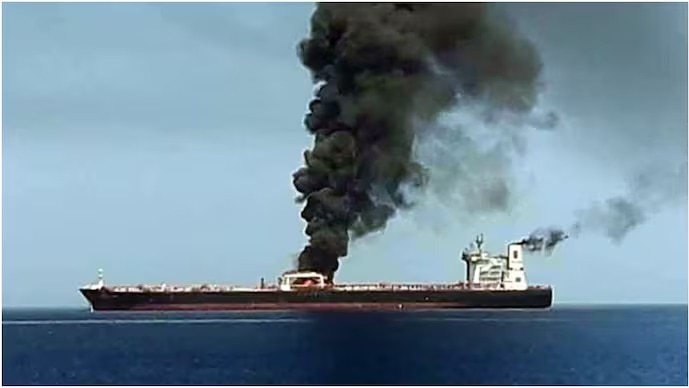
Calling for immediate de-escalation, New Delhi urged all parties to exercise maximum restraint and avoid actions that could further inflame the situation. The ministry also stressed the importance of ensuring the safety of civilians and the secure passage of commercial vessels through international sea lanes. Reiterating India's longstanding position on regional conflicts, the MEA said dialogue and diplomacy remain the only viable path towards achieving a peaceful and lasting resolution. The statement comes against the backdrop of a sharp escalation in tensions across the Gulf over the past two days. On Monday, three commercial vessels transiting the Strait of Hormuz came under attack within 24 hours. The incidents included attacks on a Qatari LNG carrier, a Saudi-flagged crude oil tanker and another commercial vessel that sustained structural damage after being struck by an unidentified projectile.
The attacks heightened fears over the security of one of the world's busiest maritime trade routes, through which nearly a fifth of global oil supplies pass. The maritime attacks were followed by a major military response from the United States. Washington launched strikes on more than 80 Iranian military targets, including air defence systems, coastal radar installations, command-and-control centres and dozens of Islamic Revolutionary Guard Corps (IRGC) naval assets. The US said the operation was intended to degrade Iran's ability to threaten international shipping in the Strait of Hormuz. The situation has continued to evolve, with Iran reportedly directing commercial vessels to use its designated shipping corridor instead of a temporary Omani route established for maritime traffic.
 The BriefWire