Drishti-10 Drone Crashes Near Porbandar: What We Know About India's Advanced Surveillance UAV
Drishti-10 Drone Crashes Near Porbandar: What We Know About India's Advanced Surveillance UAV Published By, Last Updated: July 08, 2026, 20:12 IST The incident comes
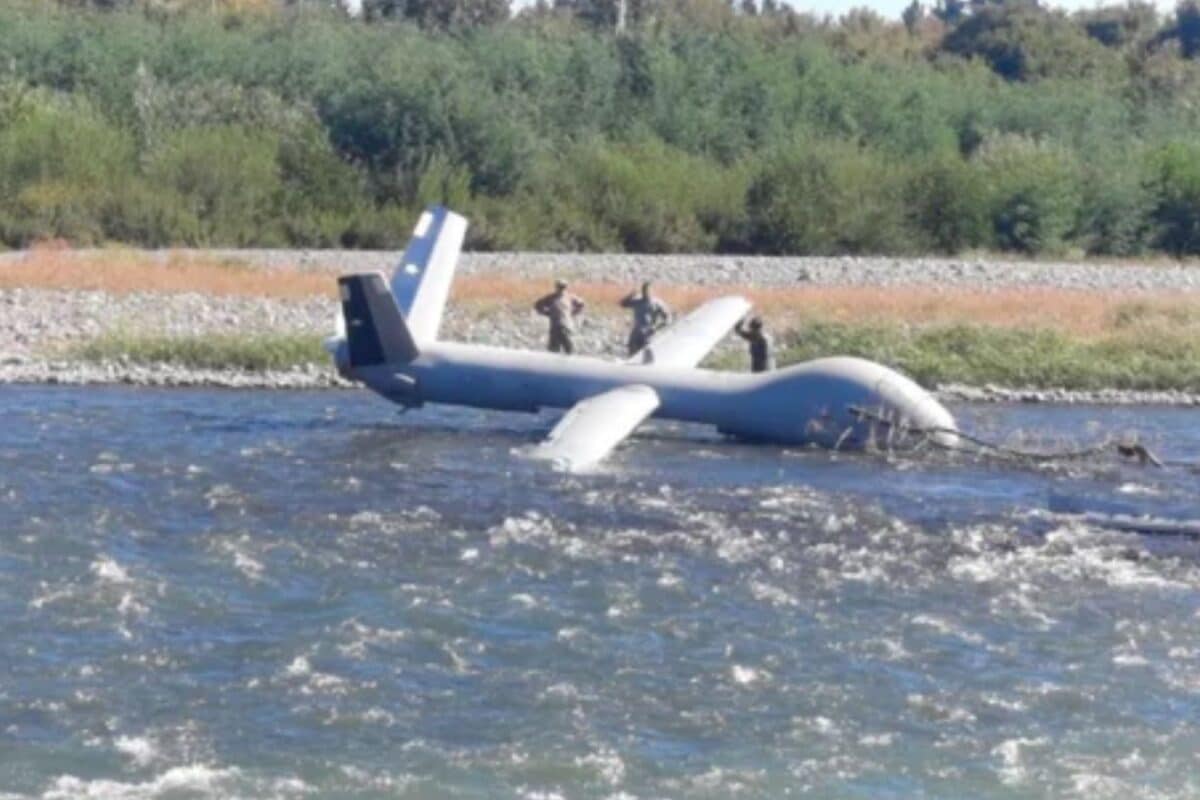
Drishti-10 Drone Crashes Near Porbandar: What We Know About India's Advanced Surveillance UAV Published By, Last Updated: July 08, 2026, 20:12 IST The incident comes a year and a half after another Drishti-10 UAV crashed off the Porbandar coast in January 2025 during pre-acceptance trials for the Indian Army. Rapid Read The Drishti-10 is classified as a Medium Altitude Long Endurance (MALE) UAV, a category designed for extended surveillance missions over large areas. (Representative Photo: X) An uncrewed aerial vehicle (UAV) Drishti-10 crashed near Porbandar in Gujarat during a training sortie on Wednesday afternoon, the Indian Navy said. The Navy confirmed that no injuries or loss of life were reported in the incident. An investigation has been launched to determine the cause of the crash. Indian Navy confirms the crash of Uncrewed Aerial Vehicle Drishti-10, off Porbandar airfield during a training sortie this afternoon. NO INJURY OR LOSS OF LIFE has been reported on ground.
The cause of the incident is being investigated.— SpokespersonNavy (@indiannavy) July 8, 2026 The incident comes a year and a half after another Drishti-10 UAV crashed off the Porbandar coast in January 2025 during pre-acceptance trials for the Indian Army. The first Drishti-10 Starliner was inducted into the Indian Navy in January 2024, marking a major milestone in India’s push to strengthen its indigenous surveillance and reconnaissance capabilities. What Is the Drishti-10 Starliner? The Drishti-10 Starliner is an advanced unmanned aerial vehicle operated by the Indian Armed Forces, particularly the Indian Navy. Developed by Adani Defence & Aerospace in collaboration with Elbit Systems, it is an indigenised version of the Hermes 900 Starliner and features more than 70 per cent indigenous content. Designed primarily for intelligence, surveillance and reconnaissance (ISR) missions, the platform combines long endurance, advanced sensors and all-weather operational capability, making it a key asset for India’s maritime and border security operations.
Flight Performance and Endurance The Drishti-10 is classified as a Medium Altitude Long Endurance (MALE) UAV, a category designed for extended surveillance missions over large areas. The drone can remain airborne for up to 36 hours on a single mission and operate at altitudes of up to 30,000 feet. Its long endurance enables continuous monitoring of vast maritime zones and land borders without frequent operational interruptions. Strategic Importance The UAV plays a critical role in enhancing India’s maritime domain awareness and overall security architecture. Operating from bases such as Porbandar, the platform is used to monitor shipping lanes, track suspicious maritime activity and maintain surveillance across India’s vast Exclusive Economic Zone (EEZ). Its key operational roles include maritime surveillance, early warning and threat detection, search-and-rescue missions, over-the-horizon targeting support, counter-piracy operations, anti-smuggling efforts and intelligence gathering. With its extended endurance, sophisticated sensor suite and high indigenous content, the Drishti-10 Starliner is regarded as a significant step towards strengthening India’s self-reliance in defence technology and expanding its long-range surveillance capabilities across land and sea.
 The BriefWire