Angry Words Vs Ground Reality: How Pakistan’s DG ISPR Replaced Battlefield Strategy With Media Bravado | Exclusive
Angry Words Vs Ground Reality: How Pakistan’s DG ISPR Replaced Battlefield Strategy With Media Bravado | Exclusive Reported By, Last Updated: July 08, 2026, 20:11
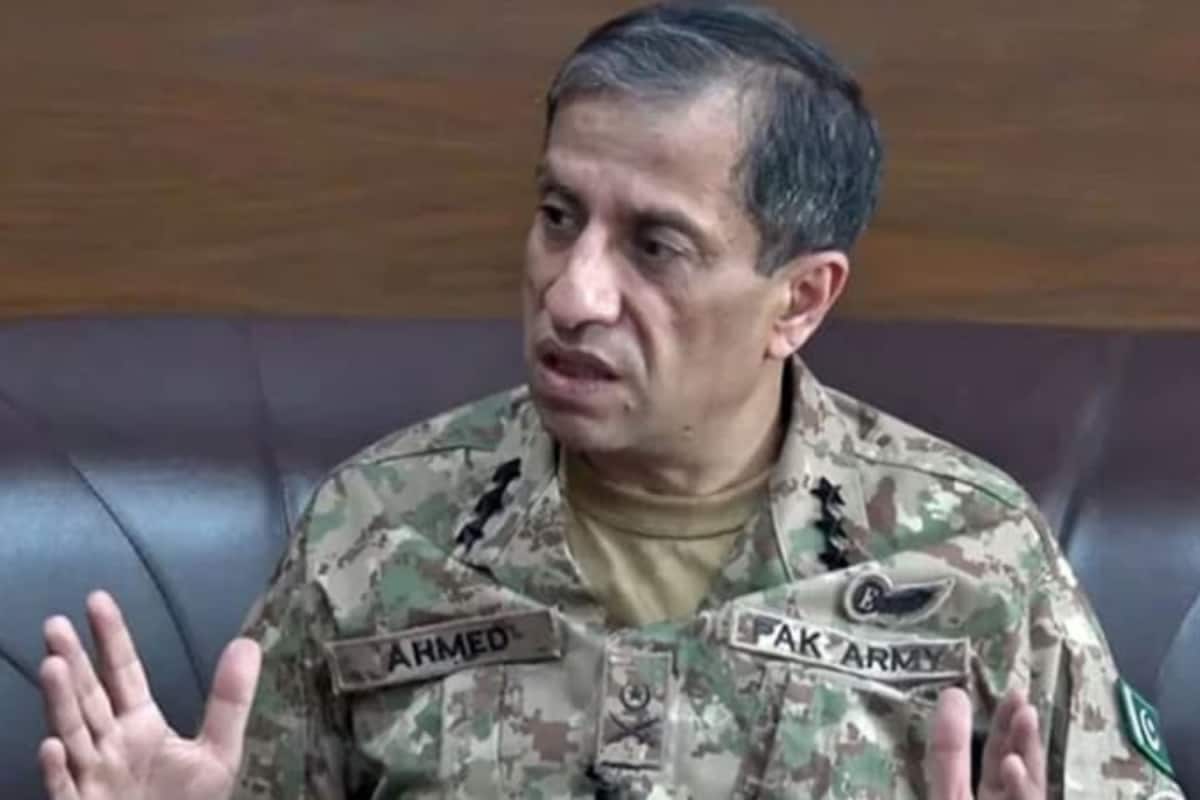
Angry Words Vs Ground Reality: How Pakistan’s DG ISPR Replaced Battlefield Strategy With Media Bravado | Exclusive Reported By, Last Updated: July 08, 2026, 20:11 IST This aggressive verbal offensive stands in sharp contrast to the actual security crisis unravelling daily across Balochistan and Khyber Pakhtunkhwa The sheer desperation of this narrative became glaringly evident during a highly charged press conference hosted by the Director General of the Inter-Services Public Relations (DG ISPR).General Sharif heavily leaned on nationalistic posturing to deflect from the immediate administrative crisis, describing Jammu and Kashmir as the 'unfinished agenda' of the 1947 partition. File pic/News18 The Pakistan military establishment is facing deep institutional embarrassment over its systemic inability to secure the country’s restive border provinces. Confronted by a relentless wave of operational setbacks, massive intelligence blind spots, and a clear breakdown in tactical military preparedness, Rawalpindi has aggressively fallen back on a classic, predictable scapegoat strategy. Instead of addressing the collapse of its internal security apparatus, the military’s public relations machinery has chosen to shift the entire blame onto external adversaries. The military command has increasingly used high-profile media briefings to mask its severe field casualties and policy failures behind a smokescreen of fiery rhetoric directed at New Delhi and Kabul.
The sheer desperation of this narrative became glaringly evident during a highly charged press conference hosted by the Director General of the Inter-Services Public Relations (DG ISPR). Addressing domestic and international journalists, the military spokesman launched into an uncharacteristic verbal tirade against India, explicitly accusing New Delhi of financing, arming, and orchestrating the spreading insurgency across the highly volatile province of Balochistan. Rather than offering a sober, data-driven analysis of how local militant groups managed to pull off highly synchronised assaults on state infrastructure and military camps, the DG ISPR attempted to rewrite the ground reality. The spokesman confidently claimed that New Delhi’s purported “investments" in regional proxy warfare had completely backfired, asserting that Pakistani security forces had recently eliminated 54 “India-backed proxies" during intensive counter-insurgency operations. Rhetoric Versus Ground Reality in Balochistan and Khyber Pakhtunkhwa This aggressive verbal offensive stands in sharp contrast to the actual security crisis unravelling daily across Balochistan and Khyber Pakhtunkhwa. Independent security experts note that while the DG ISPR appears highly adept at claiming absolute victories on camera, the military’s kinetic operations on the ground tell a far more chaotic story. Rawalpindi’s internal security network has proven routinely incapable of stopping devastating cross-border skirmishes, roadside bombings, and direct assaults on police posts by groups like the Baloch Liberation Army (BLA) and various Khariji terror modules.
 The BriefWire