US-Iran Ceasefire Ends: How The MoU To End The War Fell Apart In Less Than A Month
US-Iran Ceasefire Ends: How The MoU To End The War Fell Apart In Less Than A Month Published By, Last Updated: July 08, 2026, 19:17
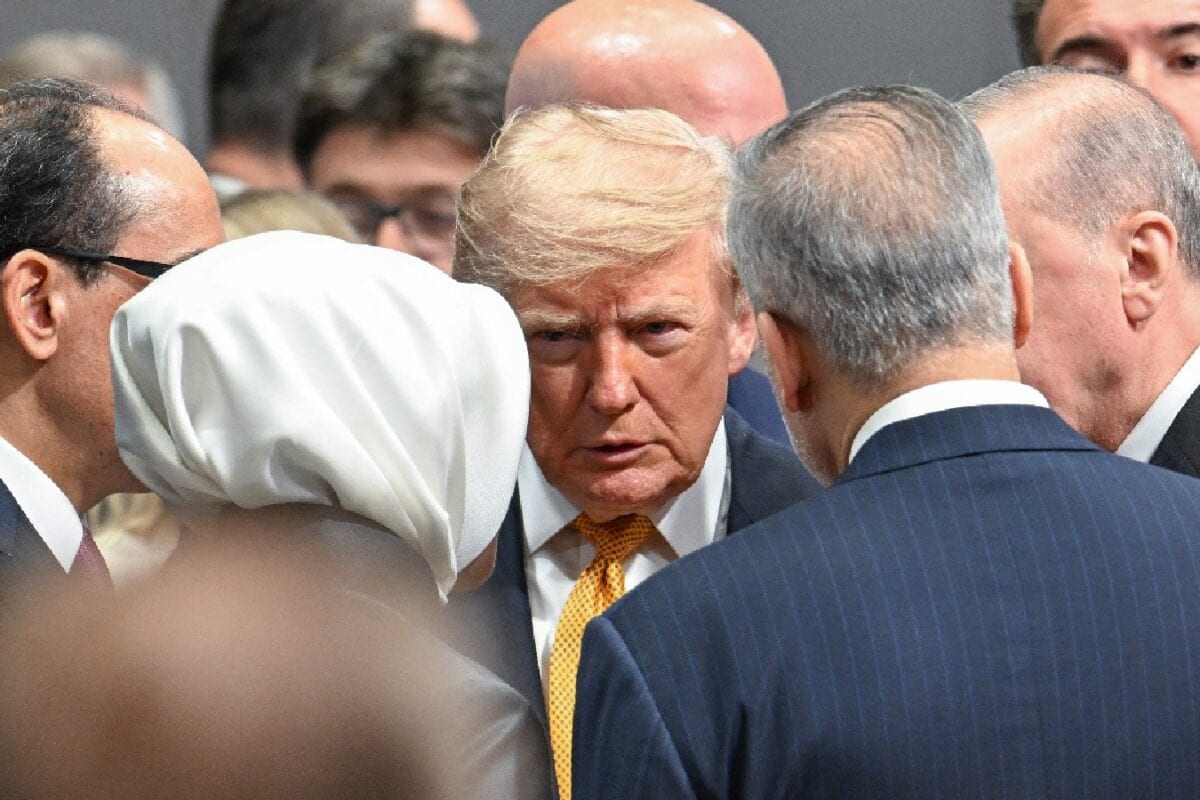
US-Iran Ceasefire Ends: How The MoU To End The War Fell Apart In Less Than A Month Published By, Last Updated: July 08, 2026, 19:17 IST Trump accused Iran of "behaving badly for 47 years" and warned that further military action could follow as early as "tonight". Rapid Read US President Donald Trump (C) and NATO Leaders arrive to participate in a working session during the NATO Summit at Bestepe Presidential Compound in Ankara, Turkey. (IMAGE: AFP) As people across West Asia hope for a return to normal life, the bugle of war continues to sound as the United States and Iran exchange fresh strikes. Residents in countries such as Kuwait and Bahrain, who had looked to the recent ceasefire for relief, now face renewed uncertainty as military tensions escalate once again. Less than a month after Washington and Tehran announced a 14-point memorandum of understanding (MoU) aimed at easing tensions, US President Donald Trump declared the truce effectively over. “As far as I’m concerned, it’s over," Trump said on Wednesday when asked whether the ceasefire remained intact. “It’s just a waste of time dealing with them," he added.
“I’ll let our wonderful negotiators keep talking if they want, but I don’t see it. I don’t like these people." Speaking after meetings with NATO leaders, Trump accused Iran of “behaving badly for 47 years" and warned that further military action could follow. “I’m not happy with what the Iranians are doing, and this doesn’t concern regime change, but we don’t want them to get a nuclear weapon," Trump said. He later issued another warning, saying: “I’ll give a little warning: We’re going to hit them hard tonight." How did the MoU unravel in less than a month? A chronology compiled by independent foreign policy journalist Laura Rozen, supplemented by AFP reporting and official statements carried by Al Jazeera, shows how a diplomatic breakthrough in mid-June steadily gave way to renewed military escalation. The understanding had initially raised hopes that Washington and Tehran could prevent a wider regional conflict through indirect negotiations brokered by regional mediators. Meetings involving senior US and Iranian officials, alongside representatives from Qatar and Pakistan, appeared to keep diplomatic channels open. That momentum, however, quickly faded as attacks at sea, retaliatory military action and fresh sanctions overtook diplomacy.
Here’s how events unfolded June 14: Donald Trump and Vice President JD Vance announced that a memorandum of understanding (MoU) had been signed during a closed-door meeting. June 18: Trump and Iranian President Masoud Pezeshkian were separately photographed signing the agreement. June 21-22: US Vice President JD Vance, Iranian Parliament Speaker Mohammad Bagher Ghalibaf, and representatives from Qatar and Pakistan held meetings near Lake Lucerne. June 25: Iran attacked a commercial vessel transiting the Strait of Hormuz along Oman’s proposed shipping corridor using a one-way attack drone. June 26: The US military launched retaliatory strikes on Iranian targets. June 30-July 1: US and Iranian negotiators held indirect talks in Doha involving Steve Witkoff, Jared Kushner and Iranian Deputy Foreign Minister Kazem Gharibabadi. July 6: Iran struck three commercial vessels near the Strait of Hormuz. July 7: US Central Command said it struck more than 80 targets inside Iran. July 7: Washington revoked a sanctions waiver that had allowed limited Iranian oil exports. The attacks in and around the Strait of Hormuz, one of the world’s busiest maritime trade routes, reignited concerns over regional security and global energy supplies.
 The BriefWire