Bengal Rape-Murder, Lynching & Encounter: How Baruipur May Shape CM Suvendu’s Law-And-Order Doctrine
Bengal Rape-Murder, Lynching & Encounter: How Baruipur May Shape CM Suvendu’s Law-And-Order Doctrine Reported By, Edited By Last Updated: July 08, 2026, 17:29 IST It
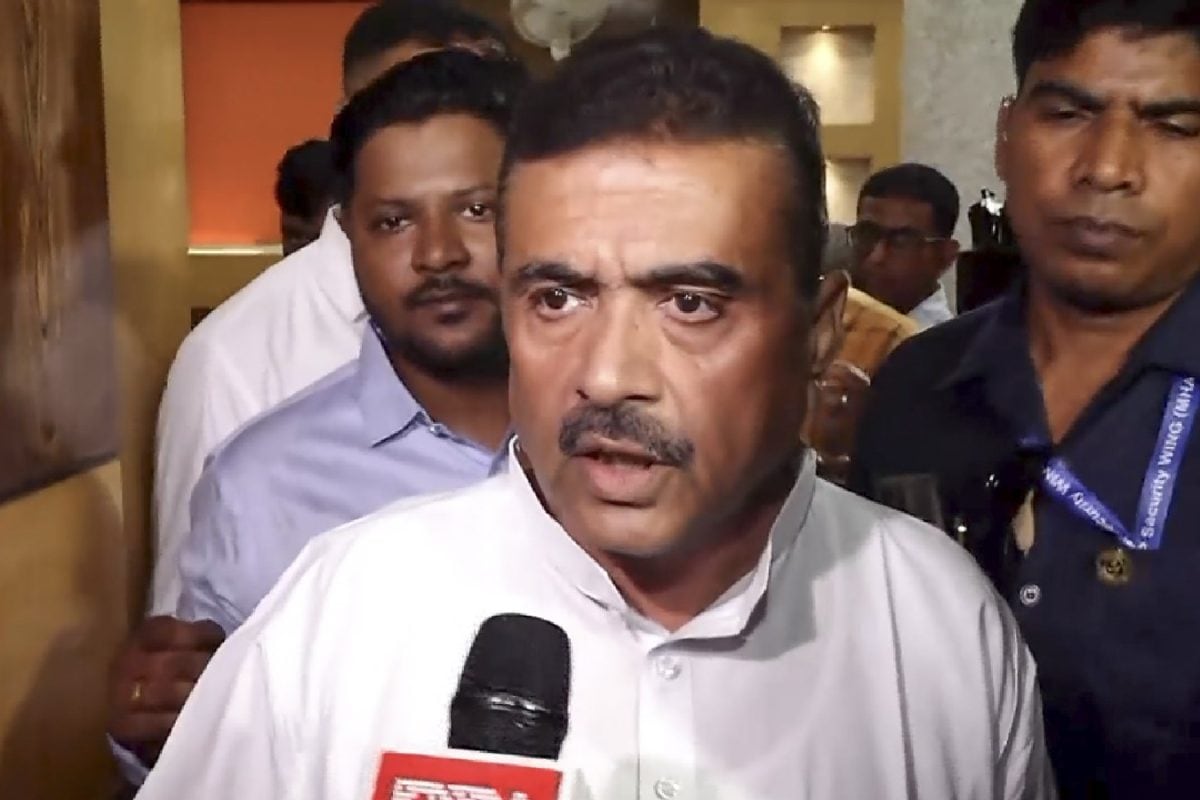
Bengal Rape-Murder, Lynching & Encounter: How Baruipur May Shape CM Suvendu’s Law-And-Order Doctrine Reported By, Edited By Last Updated: July 08, 2026, 17:29 IST It has become the first major test of how the Adhikari government defines justice, exercises state power and balances public anger with the rule of law Rapid Read Bengal CM Suvendu Adhikari. (File) Every government experiences a defining law-and-order test. For Bengal’s chief minister Suvendu Adhikari, barely two months into office, Baruipur could be that moment. It began with the brutal rape and murder of an 11-year-old girl, a crime that sent shockwaves across Bengal. Following public outrage, police identified and arrested the alleged perpetrators, including the key accused, within hours. But before the investigation could settle into the courtroom, the mob had taken over. One of the suspected accused was lynched by an enraged mob the next day after the minor’s body was found inside a sack floating in a pond. Hours later, the chief minister himself said the man who was killed was innocent. If the rape and murder exposed the brutality of criminals, the lynching exposed the dangers of public rage outrunning the law. Adhikari rushed to the spot, met the parents and family members of the victim and also visited the local SP’s office. In a public statement, the chief minister said that none would be spared, not the accused in the rape and murder case and neither the mob that lynched an ‘innocent’ man out of suspicion. Then came the encounter. At around 12:45 am on Wednesday, police took the key accused to the crime scene for reconstruction. According to the official version, the accused snatched a service pistol from a police officer, attempted to fire at the police team and tried to flee. Police retaliated, shooting him. He was taken to the hospital with grievous injury, where he was declared dead. The speed with which the state acted has been welcomed by many, some sections of society, the political class and also in the administration. But the official account also raises questions that deserve answers, not because the prime accused deserves sympathy, but because every encounter by the state demands scrutiny. WHAT EXPERTS SAY Speaking with News 18, Manoj Kumar Lall, a senior IPS officer who retired as a DGP said, “Retributive justice does not establish the rule of law, public order or justice.
In this specific case, we also witnessed a form of street justice, in which an innocent man was apparently lynched. The new government must recognise the nature of the administration and police force it has inherited. From the Gorkhaland agitation to the Maoist movement across successive political transitions, from the CPM to the Trinamool and now to the BJP, policing in West Bengal has too often functioned at the behest of the ruling dispensation. Whether in suppressing political movements or defending partisan interests, a culture of impunity has taken root, sustained by expectations of political loyalty and protection. For the first time, however, some political conveyors of that protection appear to have been undone, with the current regime change. Yet the police institution itself remains unreformed. The implementation of the rule of law must include adherence to human rights norms and commission guidelines. Encounter killings cannot be justified with adjustable narratives or lame excuses. This episode is a reminder that the government must confront not only party violence but also police violence. Its writ must rest on the rule of law, not the gun culture." Significantly, over the past three decades, Bengal witnessed police encounters during the Maoist movement, Gorkhaland agitations and two incidents of shootouts — one in Rajarhat and another in Goalpokhar. In the last two instances, the nature of crime and shootout were different. Lall, who served as the IB chief in Bengal for over five years, said, “Baruipur has long had a reputation for a ‘might is right’ culture. The obvious question is why the administration and police failed to address these conditions. Rape is a predatory offence in which offenders deliberately target the vulnerable. Safety and security of women and girls is a much larger issue than just instant justice. While the public outrage over the crime is understandable, the response cannot come at the cost of due process, and gearing up the governance and administration for creating safe and secure spaces for women and female children. The circumstances surrounding the death of the prime accused, particularly in light of the medical evidence and allegations of police high-handedness, only reinforce the need for a transparent investigation. A government committed to the rule of law and women’s safety cannot allow either criminal violence or state violence to become normalised." BEYOND THE ENCOUNTER Following the encounter, News18 has spoken with senior police officers to understand the situation and the consequences.
 The BriefWire