Trump Calls Iran Deal 'Over' But Keeps Door Open For Talks. What Does He Really Want?
Trump Calls Iran Deal 'Over' But Keeps Door Open For Talks. What Does He Really Want? Written By, Last Updated: July 08, 2026, 16:08 IST
Trump Calls Iran Deal 'Over' But Keeps Door Open For Talks. What Does He Really Want? Written By, Last Updated: July 08, 2026, 16:08 IST The apparent contradiction has left diplomats, analysts and markets asking the same question: If the deal is over, what exactly is US policy now? Rapid Read Trump’s comments appear to be directed less at the existence of diplomacy and more at Iran’s compliance with the interim agreement. Three weeks after hailing a US-Iran memorandum of understanding as a breakthrough that could end months of conflict, President Donald Trump on Wednesday declared the agreement “over". Yet, almost in the same breath, he said American negotiators could continue pursuing a broader nuclear agreement with Tehran. The apparent contradiction has left diplomats, analysts and markets asking the same question: If the deal is over, what exactly is US policy now? What Really Changed? The turning point came after attacks on three commercial vessels in the Strait of Hormuz, which Washington blamed on Iran. ALSO READ | Higher CNG, Cooking Gas Prices? Fresh Tensions In Strait Of Hormuz May Hit Your Wallet Soon The United States responded with extensive strikes on Iranian military infrastructure, saying the attacks were necessary to protect international shipping. Hours later, the US Treasury also revoked a temporary licence that had allowed Iran to sell crude oil under the June memorandum of understanding, effectively restoring economic pressure on Tehran. Iran retaliated by launching attacks on US military facilities in Bahrain and Kuwait and warned that any country assisting American military operations could become a legitimate target. Why Did Trump Say The Deal Is ‘Over’? A furious Trump was in no mood to mince words.
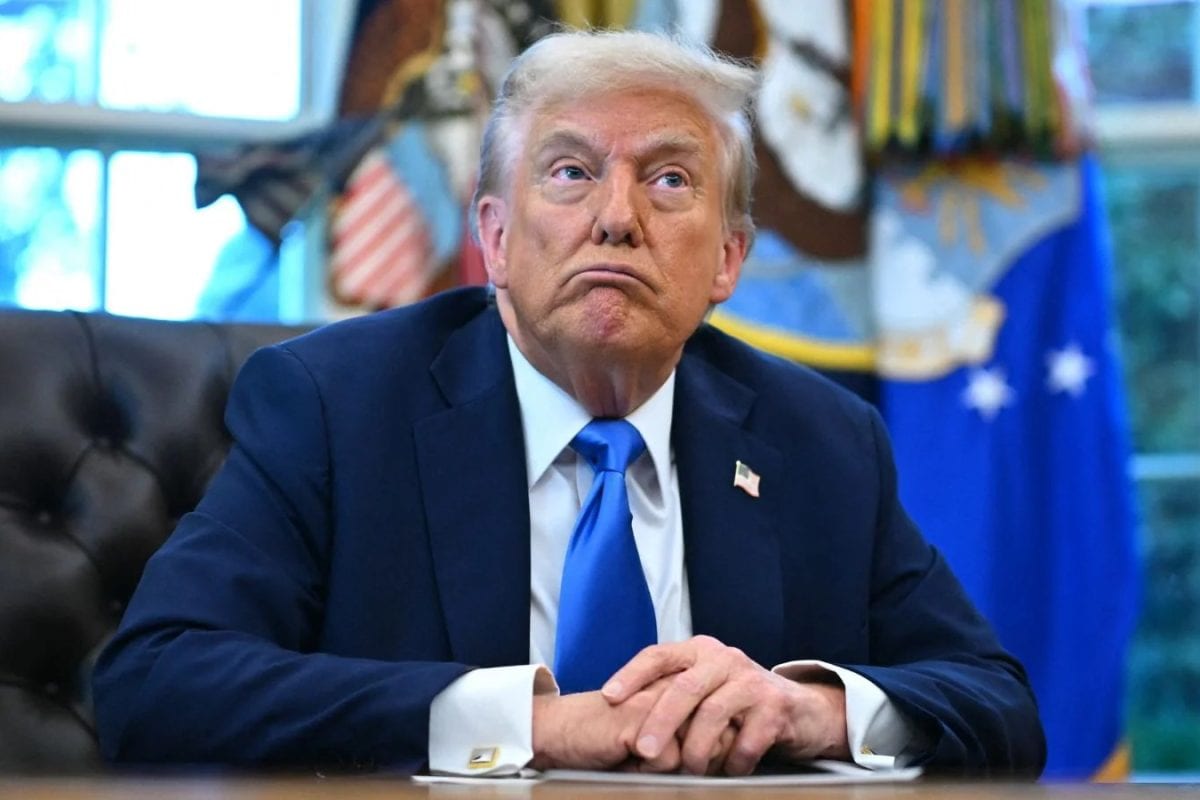
“I think it’s over. I don’t want to deal with them anymore, they’re scum," Trump said at a NATO summit in the Turkish capital Ankara when asked if the truce with Iran was now finished. “They’re scum, they’re sick people, they’re led by sick people, and they’re vicious, violent people. And if they had a nuclear weapon, they’d use it. As far as I’m concerned, it’s over." Trump’s comments appear to be directed less at the existence of diplomacy and more at Iran’s compliance with the interim agreement. ALSO READ | From Hormuz To Airstrikes: 5 Events That Shattered The Fragile US-Iran Ceasefire The June memorandum was intended to create a 60-day window during which both sides would avoid major hostilities while negotiating a permanent settlement covering Iran’s nuclear programme, maritime security in the Strait of Hormuz and sanctions relief. Instead, the ceasefire period saw repeated tit-for-tat exchanges. From Washington’s perspective, attacks on commercial shipping amounted to a breach of the understanding. By declaring the agreement “over," Trump was signalling that the US no longer considers itself bound by the interim arrangement that had eased sanctions and paused military escalation. Then Why Continue Negotiating? This is where Trump’s position becomes more nuanced. Although he dismissed talks as “a waste of time", he stopped short of cancelling them. Instead, he indicated that US negotiators could continue working toward a broader and more permanent agreement. That reflects a distinction the administration has made since the memorandum was signed. The June agreement was never intended to be the final peace deal. It was a temporary political framework designed to stop the fighting and create space for negotiations on more complex issues, including Iran’s nuclear programme and long-term security arrangements in the Gulf.
 The BriefWire