What US-Iran Ceasefire Collapse Means For India: The Best And Worst Possible Outcomes Explained
What US-Iran Ceasefire Collapse Means For India: The Best And Worst Possible Outcomes Explained Written By, Last Updated: July 08, 2026, 16:23 IST US-Iran ceasefire
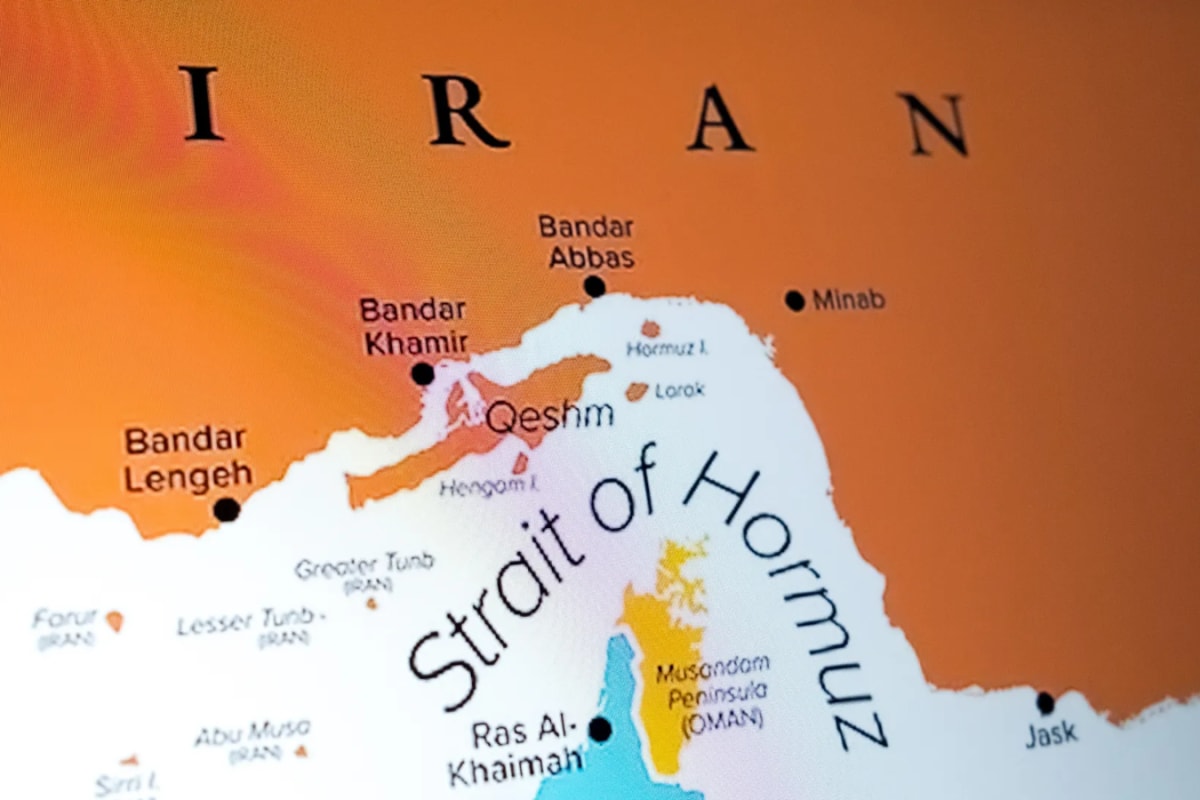
What US-Iran Ceasefire Collapse Means For India: The Best And Worst Possible Outcomes Explained Written By, Last Updated: July 08, 2026, 16:23 IST US-Iran ceasefire ends: What are the best- and worst-case scenarios for India and other countries? Rapid Read Strait of Hormuz | File Image US President Donald Trump announced on Wednesday that the ceasefire agreement with Iran has effectively concluded for him, declaring that he no longer wishes to engage in diplomatic dealings with Tehran. The collapse of the tentative US-Iran ceasefire, following fresh military exchanges in the Persian Gulf, has immediately reignited intense macroeconomic and security uncertainties worldwide. SCENARIOS FOR INDIA India is highly vulnerable to West Asian volatility due to its overwhelming reliance on energy imports and extensive trade ties with the Gulf Cooperation Council (GCC). Worst-Case Scenario: Prolonged Conflict & Hormuz Blockade A total blockade of the Strait of Hormuz would repeat or worsen the March 2026 crisis, pushing global oil prices toward $120–$130 per barrel. Higher crude prices will drastically expand India’s import bill, widen the current account deficit, and force the Indian Rupee to new record lows. Skyrocketing energy prices will drive up fuel, food, and fertilizer costs.
This domestic inflation would be severely exacerbated if combined with an erratic El Niño monsoon. Indian exports to West Asia (especially electronics to the UAE and Basmati rice to Iran) will collapse. Total exports could fall by over 50%, similar to the contraction observed early in the war. India’s significant investments in the Chabahar Port—the gateway to Central Asia—will face indefinite delays or collateral damage. US President Donald Trump has declared that he no longer wants to negotiate with Iran after accusing Tehran of attacking commercial ships in the Strait of Hormuz The remarks came after the US launched a fresh wave of strikes on more than 80 Iranian military targets, including… pic.twitter.com/8FMabJAleL — News18 (@CNNnews18) July 8, 2026 Best-Case Scenario: Backchannel Truce & Sourcing Flexibility The current hostilities remain confined to tit-for-tat strikes without a full maritime blockade. Oil prices stabilise around $75–$80 per barrel. India successfully utilizes its rebalanced strategy, sourcing crude from over 40 countries—including newly resumed, albeit risky, discounted Iranian oil and gas. Steady high-frequency indicators (like strong quarterly GST collections) keep India’s GDP growth momentum hovering near 7%. SCENARIOS FOR OTHER COUNTRIES Worst-case scenarios United States: Resuming a full naval blockade triggers a sharp energy spike, driving US CPI inflation back to ~5%.
 The BriefWire