From Hormuz To Airstrikes: 5 Events That Shattered The Fragile US-Iran Ceasefire
From Hormuz To Airstrikes: 5 Events That Shattered The Fragile US-Iran Ceasefire Published By, Last Updated: July 08, 2026, 14:52 IST Fresh strikes, attacks on
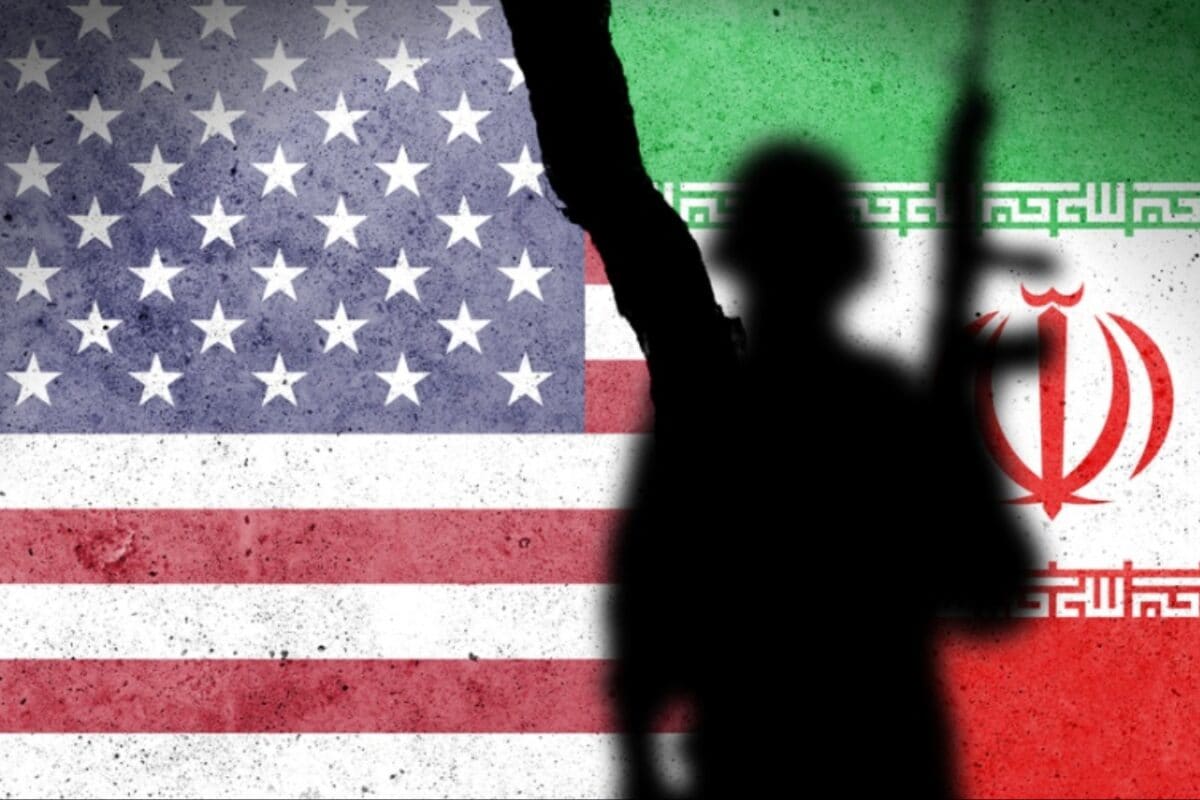
From Hormuz To Airstrikes: 5 Events That Shattered The Fragile US-Iran Ceasefire Published By, Last Updated: July 08, 2026, 14:52 IST Fresh strikes, attacks on shipping, oil sanctions, and disputes over the Strait of Hormuz shattered the fragile US-Iran truce, reviving fears of a wider Middle East conflict. A representative photo for the US-Iran war (Shutterstock) The fragile ceasefire between the United States and Iran has shaken after a fresh round of military strikes, retaliatory attacks and escalating rhetoric from both sides. US President Donald Trump declared that, as far as he was concerned, the truce was “over", following American strikes on Iranian targets and Tehran’s reported attacks on US military facilities in the Gulf. The latest escalation comes barely weeks after Washington and Tehran agreed to an interim understanding aimed at ending months of hostilities, reopening the Strait of Hormuz to commercial shipping and paving the way for negotiations on a peace agreement, including Iran’s nuclear programme and sanctions relief. Analysts, however, had warned that the arrangement addressed only immediate military concerns while leaving several core disputes unresolved. The immediate trigger for the collapse was a series of attacks on commercial vessels in and around the Strait of Hormuz, followed by US retaliatory strikes and Iran’s response targeting American military installations in Bahrain and Kuwait. The developments have once again raised fears of a regional conflict while pushing global oil prices sharply higher. KEY REASONS BEHIND THE FRESH US-IRAN ESCALATION 1. Attacks On Commercial Ships In The Strait Of Hormuz One of the biggest reasons behind the collapse of the ceasefire was the renewed violence in the Strait of Hormuz, one of the world’s busiest energy corridors.
Three commercial vessels were attacked near the strategic waterway. The United States blamed Iran for the incidents and described the attacks as unacceptable. The strikes threatened international shipping and directly challenged one of the key commitments of the interim agreement, ensuring safe commercial passage through the Strait. 2. US Retaliatory Strikes On Iran Washington responded by launching extensive military strikes on Iranian targets. US Central Command said American forces hit more than 80 targets, including air defence systems, coastal radar installations and dozens of Revolutionary Guard boats. The Pentagon said the objective was to reduce Iran’s ability to threaten international shipping and commercial trade through the Strait of Hormuz. 3. Iran’s Retaliation Against US Bases Iran responded within hours. The Islamic Revolutionary Guard Corps (IRGC) said it had targeted US military facilities in Bahrain and Kuwait. Both countries reported activation of their air defence systems, signalling that the conflict had once again expanded beyond Iranian territory and increased regional security concerns. 4. US Revoked Iran’s Oil Sanctions Waiver Another major flashpoint was Washington’s decision to revoke a temporary licence that had allowed Iran to legally sell crude oil under the interim agreement. The waiver had been one of the biggest incentives for Tehran to remain engaged in negotiations. Its withdrawal significantly increased economic pressure on Iran and was viewed by Iranian officials as a breach of the understanding reached between the two countries. 5. Dispute Over Control Of The Strait Of Hormuz Although the ceasefire temporarily restored shipping through Hormuz, both countries continued to disagree over how the waterway should be governed.
 The BriefWire