Australia generates so much solar power that it is giving away free electricity to households for 3 hours
How Australia ended up with more solar power than the grid can handle Households are now getting three hours of free electricity Electricity prices sometimes
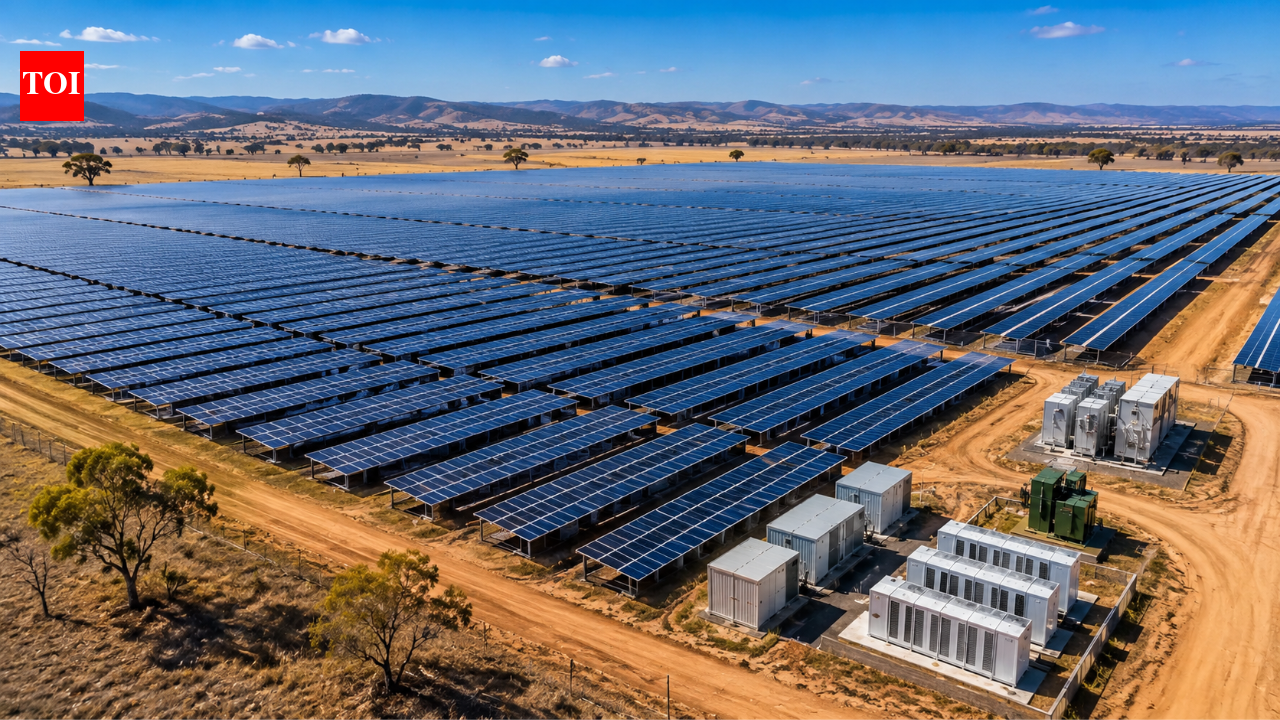
How Australia ended up with more solar power than the grid can handle Households are now getting three hours of free electricity Electricity prices sometimes fall below zero Why the grid wants people to use more electricity The evening remains Australia's biggest energy challenge What Australia's solar success means for rooftop solar owners Could other countries follow Australia's lead? Australia's renewable energy boom has reached a remarkable milestone. The country now generates so much electricity from rooftop solar panels that, during the middle of the day, wholesale power prices frequently fall to zero or even below zero. Instead of allowing surplus electricity to go to waste, eligible households in parts of Australia can now receive up to three hours of free electricity each day. The initiative reflects a new reality for the country's power system: solar energy has become so abundant during daylight hours that the biggest challenge is no longer producing enough electricity, but finding enough people to use it.Australia has become the world leader in rooftop solar adoption. Around one in three homes has solar panels installed, with more than four million households producing their own electricity. Alongside large-scale solar farms, these rooftop systems generate vast amounts of electricity every sunny afternoon.The problem is that electricity demand does not always match this surge in generation. Businesses typically use less electricity around midday, while many households are empty during working hours.As millions of solar systems feed power into the grid at the same time, supply often exceeds demand, leaving the electricity network with more renewable energy than it can immediately use.To make better use of this surplus electricity, Australia introduced the Solar Sharer Offer from July 1.
Under the programme, eligible electricity retailers in New South Wales, South East Queensland and South Australia offer customers an optional tariff that provides up to three hours of free electricity during the middle of the day.Customers generally need a smart meter and must opt into the tariff through a participating retailer. While electricity used during the designated three-hour window is free, daily supply charges still apply and electricity consumed outside that period is billed at the retailer's standard rates.The goal is simple: encourage households to shift electricity-intensive activities such as charging electric vehicles, running washing machines, dishwashers or heating water into the hours when solar power is most abundant.Electricity is unlike most commodities because it must be consumed almost immediately after it is generated. Although battery storage is expanding rapidly, it is still not large enough to store all the excess renewable electricity produced on sunny afternoons.When supply significantly exceeds demand, wholesale electricity prices can fall to zero or even become negative. In these situations, some generators effectively pay to remain connected to the grid because shutting down and restarting certain power plants can cost more than continuing to operate.According to the Australian Energy Market Operator, zero or negative wholesale electricity prices became increasingly common during daylight trading periods in early 2025 as solar generation continued to grow.Giving away electricity may seem unusual, but it is often cheaper than wasting renewable energy.Grid operators would rather households use excess daytime electricity than curtail solar generation.
 The BriefWire