Setback For Prince Harry: Why UK Court Dismissed His Case Against Daily Mail Publisher
Setback For Prince Harry: Why UK Court Dismissed His Case Against Daily Mail Publisher Published By, Last Updated: July 08, 2026, 10:19 IST Prince Harry
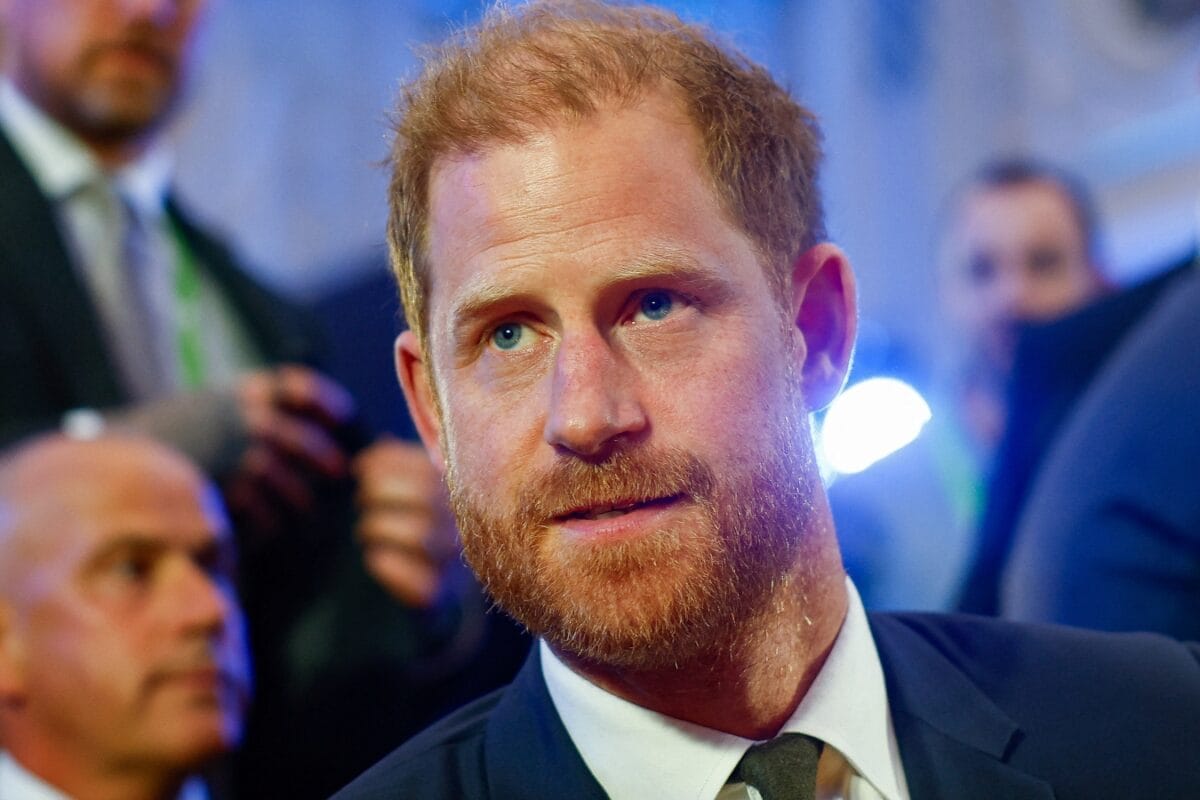
Setback For Prince Harry: Why UK Court Dismissed His Case Against Daily Mail Publisher Published By, Last Updated: July 08, 2026, 10:19 IST Prince Harry was among seven high-profile claimants who accused Associated Newspapers Ltd, the publisher of the Daily Mail, of unlawfully obtaining private information. Rapid Read Prince Harry and six others lost their privacy case against the publisher of the Daily Mail on Sunday. (Image: Reuters) Prince Harry has suffered another setback in his long-running battle with the British press after the High Court in London dismissed his privacy case against Associated Newspapers Ltd (ANL), the publisher of the Daily Mail, Mail on Sunday and MailOnline. The ruling brings to a close one of the last major lawsuits linked to allegations of unlawful newsgathering practices from Britain’s phone-hacking era. The Duke of Sussex was among seven high-profile claimants who accused ANL of obtaining private information through illegal means over several years. The group alleged that journalists and private investigators working for the publisher had engaged in unlawful practices to produce stories about their personal lives. However, the court ruled that the claimants had failed to prove their allegations, handing ANL what it described as an “overwhelming victory". What Was Prince Harry’s Lawsuit About? Prince Harry joined actors Elizabeth Hurley and Sadie Frost, singer Sir Elton John and his husband David Furnish, Baroness Doreen Lawrence, and former UK Liberal Democrat MP Sir Simon Hughes in bringing the case against Associated Newspapers. They alleged that the publisher had engaged in the “clear, systematic and sustained use of unlawful information-gathering" while reporting on their private lives. The claims covered dozens of newspaper articles published between 1997 and 2015, along with several incidents that allegedly never resulted in publication. According to the claimants, journalists relied on illegal methods rather than legitimate reporting to obtain personal information. Among the allegations were claims of phone hacking, bugging homes and vehicles, tapping landlines, using private investigators, obtaining confidential records through deception, making corrupt payments to police officials and “blagging" confidential information.
ANL denied every allegation, maintaining throughout the trial that its stories were sourced lawfully through interviews, press officers, publicly available material and contacts within the claimants’ own social circles. Why Did Prince Harry Decide To Sue? Prince Harry has repeatedly argued that sections of the British media have crossed legal and ethical boundaries in reporting on his private life since he was a child. The Daily Mail case formed part of his broader campaign to hold British newspaper groups accountable for what he says were years of unlawful intrusion. During the trial earlier this year, Harry described the impact of media coverage on both himself and his family. He told the court that ANL had made the life of his wife, Meghan, Duchess of Sussex, “an absolute misery". One of the incidents central to Harry’s claim involved a 2013 Daily Mail article stating that he would spend New Year’s Eve apart from his then-girlfriend Cressida Bonas. Harry argued that the information appeared so personal that he could not understand how journalists had obtained it. It was alleged during the case that a freelance journalist had been asked to obtain Ms Bonas’s travel details through deception. In his witness statement, Harry described the episode as “creepy". Why Did The Court Reject The Claims? In a detailed 436-page judgment, Justice Nicklin concluded that the allegations were extremely serious and therefore required compelling evidence rather than suspicion. The judge stressed that the court could not simply assume unlawful conduct because an article contained private information. Instead, each allegation had to be independently proven. “I accept that he found the article intrusive and was genuinely concerned by how journalists appeared to know private information concerning his relationships," the judge said while referring to Harry’s complaint about the Cressida Bonas article. “But suspicion, even understandable suspicion, is not proof." Nicklin accepted the evidence of journalists who appeared before the court and said they had provided lawful explanations for how the disputed stories had been sourced.
 The BriefWire