The Strait Of Hormuz Is Burning Once Again. What Does That Mean For Iran-US Peace Deal?
The Strait Of Hormuz Is Burning Once Again. What Does That Mean For Iran-US Peace Deal? Written By, Last Updated: July 08, 2026, 09:01 IST
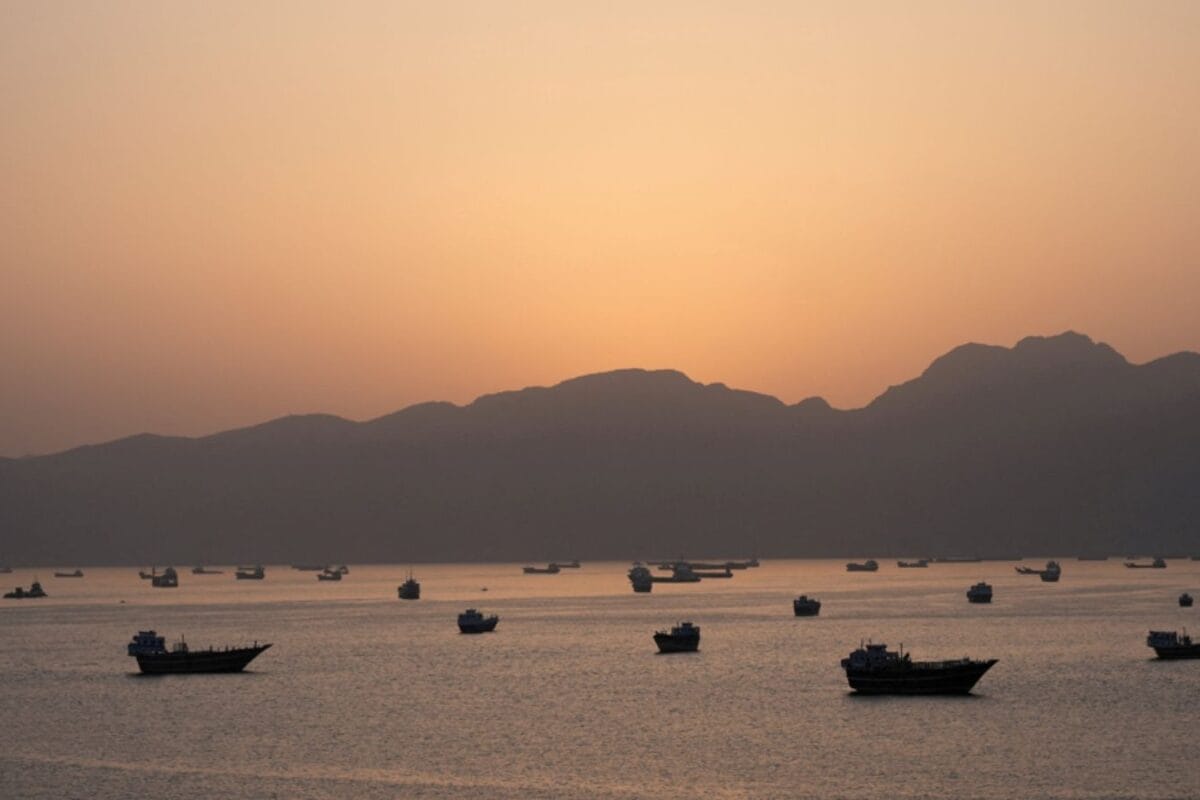
The Strait Of Hormuz Is Burning Once Again. What Does That Mean For Iran-US Peace Deal? Written By, Last Updated: July 08, 2026, 09:01 IST British maritime security authorities said three commercial vessels were attacked while transiting Hormuz, with at least one tanker catching fire after being struck by a projectile Rapid Read Ships and boats in the Strait of Hormuz, Musandam, Oman. (Reuters photo) Just when the United States and Iran appeared to have found a fragile pathway back to diplomacy, fresh attacks on commercial shipping in the Strait of Hormuz have threatened to undo months of painstaking negotiations. The latest attacks on three merchant vessels, including a Qatari LNG tanker, and counter-strikes by Washington on Iran, have triggered a sharp US military response, fresh sanctions on Iranian oil exports and renewed fears that the world’s most important energy chokepoint could once again become the centre of a wider regional conflict. The incidents come barely weeks after Washington and Tehran agreed to a 60-day framework for negotiations following months of conflict. What Happened In The Strait Of Hormuz? According to British maritime security authorities, three commercial vessels came under attack while transiting the Strait of Hormuz, with at least one tanker catching fire after being struck by a projectile. The attacks prompted emergency responses and renewed warnings to shipping companies operating in the Gulf. ALSO READ | US Official Says New Iran Offensive ‘4-5 Times Bigger’ Than Last Strikes, Warns More To Come Washington has blamed Iran for the attacks, describing them as a violation of the ceasefire understandings reached earlier this year. Tehran has denied wrongdoing and, in turn, accused the US of violating the peace framework through fresh military strikes and renewed economic pressure. Why Is Hormuz So Important? The Strait of Hormuz is often described as the world’s most critical energy chokepoint. Connecting the Persian Gulf with the Gulf of Oman and the Arabian Sea, it is the primary export route for oil and liquefied natural gas (LNG) from Gulf producers, including Saudi Arabia, Iraq, Kuwait, the UAE and Qatar.
Before the current conflict, roughly one-fifth of global oil supplies and a similar share of LNG shipments passed through the narrow waterway each day. Even temporary disruptions can send insurance costs soaring, delay cargoes and rattle global energy markets. According to Firas Maksad, managing director for the Middle East at Eurasia Group, the strait isn’t just an energy route but leverage. “Who controls security there shapes the diplomatic conversation as much as the military one," he told Al Jazeera. How Do The New Attacks Affect Peace Talks? The attacks strike at the heart of the confidence-building process between Washington and Tehran. ALSO READ | Iran Confirms Strait Of Hormuz Service Fees, Friendly Nations To Get ‘Special’ Treatment The current negotiations are based on an interim memorandum of understanding that sought to reduce military escalation while allowing diplomatic discussions on Iran’s nuclear programme, sanctions and regional security to continue. Instead, both sides are now accusing each other of violating that understanding. The US says attacks on civilian shipping crossed a red line. Iran argues that fresh American strikes on sites near the Strait of Hormuz and Washington’s decision to revoke a licence that had allowed limited Iranian oil sales amount to breaches of the same agreement. The result is that trust, already in short supply, has deteriorated even further. Speaking to Time, Gregory Brew, senior analyst at the Eurasia Group, noted that every attack at sea raises the political cost of compromise. “The more violence you see in the Gulf, the harder it becomes for either Washington or Tehran to justify concessions at the negotiating table," he said. The Sanctions Factor The maritime attacks were followed almost immediately by economic escalation. The Trump administration announced it was revoking a licence that had permitted certain Iranian oil sales, tightening pressure on Tehran’s economy once again. The move signals that Washington is willing to combine military retaliation with renewed sanctions despite the ongoing diplomatic process.
 The BriefWire