Before Ram Mandir, a temple theft changed Kashi Vishwanath's control. Here's how
Sometimes, what a theft takes away isn't just gold, silver, and cash. Sometimes, it takes away people's trust from those managing the affairs. That's exactly
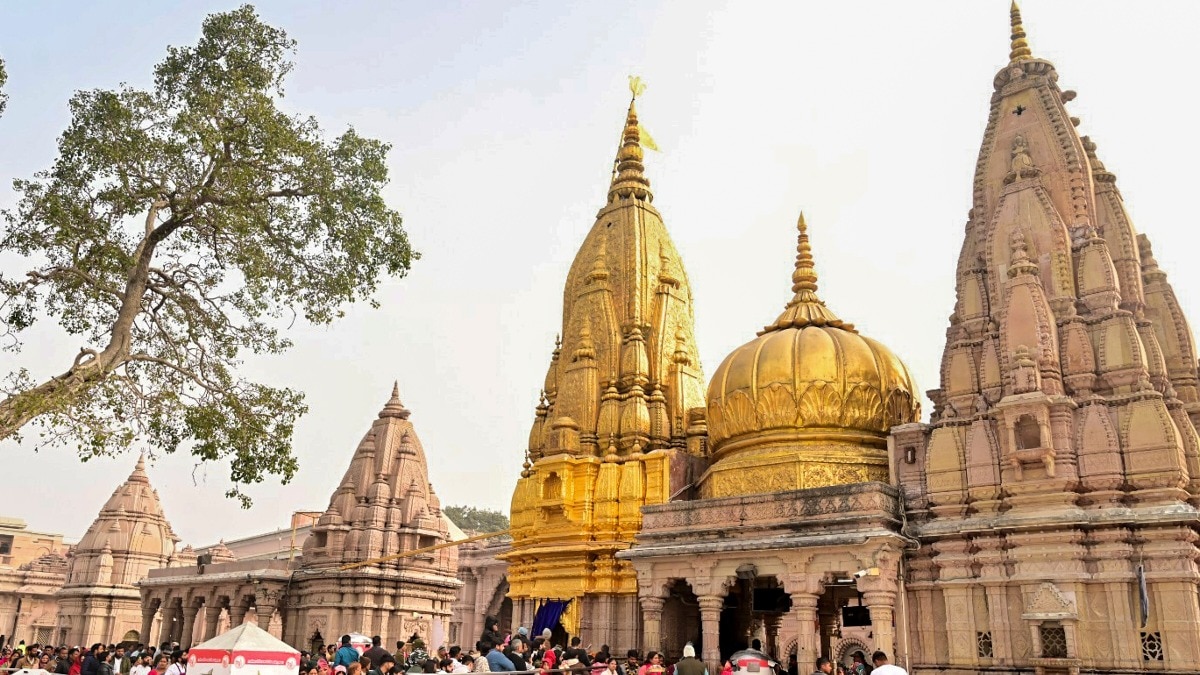
Sometimes, what a theft takes away isn't just gold, silver, and cash. Sometimes, it takes away people's trust from those managing the affairs. That's exactly what has seemingly happened at Ram Temple in Ayodhya. The theft has sparked a debate over who is trusted to guard one of Hinduism's most important places of worship. The Vishwa Hindu Parishad (VHP), one of the Sangh outfits which spearheaded the Ram Janmabhoomi movement, has made its position clear over who should run the Shri Ram Janmabhoomi Teerth Kshetra Trust. The VHP has said it would oppose any attempt to bring the Shri Ram Janmabhoomi Temple under government control. Read Full Story The assertion by the VHP comes because the incident at Ayodhya has brought back memories of another famous temple where a theft changed everything — the Kashi Vishwanath Temple in Varanasi. While the VHP said it was okay with the appointment of a CEO accountable to the Ram Mandir temple trust, it wouldn't allow a government takeover. Four decades ago, a theft at the Kashi Vishwanath Temple ended up in the government taking over its management. In January 1983, a major theft inside the sanctum sanctorum of the Kashi Vishwanath Temple, in which a 2.6-kg gold ornament around the Shivling was stolen, exposed serious mismanagement of the temple. It prompted the Uttar Pradesh government to promulgate the Sri Kashi Vishwanath Temple Act, 1983, transferring control from the mahants (priests) to a government-constituted temple trust. Governments have long stepped in to administer temples, sometimes over allegations of mismanagement, sometimes in the name of better governance. From Shri Jagannath Temple in Puri, to the Badrinath Temple in Uttarakhand, and the Mahakaleshwar Temple in Ujjain, several significant temples are administered under state-backed bodies or laws. The latest developments in Ayodhya have revived this decades-old conversation in a new, and a way more serious context.
The VHP statement came on the same day that the Trust accepted the resignation of its general secretary, Champat Rai, amid an ongoing SIT probe into the donation theft. A CEO has been appointed. Against this backdrop, it is worth revisiting what happened at the Kashi Vishwanath Temple 43 years ago. THE THEFT AT KASHI VISHWANATH THAT CHANGED EVERYTHING On January 5, 1983, thieves stole around 2.55 kg of gold from the Jyotirlinga of Lord Shiva, along with between 6 kg and 9 kg of silver ornaments and other valuables from the Kashi Vishwanath temple complex. The theft sparked widespread protests across Varanasi and raised questions about security and administration at one of the country's most important temples. An FIR was lodged at Chauk police station by the then priest, Sardaru. Within weeks, police recovered the stolen ornaments and arrested 11 accused, including Markandey Singh of Chakia in Chandauli district. On September 7, 2000, a local court convicted all those found guilty of the theft and ordered that the recovered ornaments be returned to the temple administration. However, the theft's biggest consequence was administrative rather than criminal. According to an extensive report published by India Today Magazine in 1983, investigators initially believed the theft could not have taken place without an insider's assistance. There were no signs of forced entry into the sanctum, the heavy grill doors had been found open, and two priests on duty claimed they had slept through the entire incident. The report quoted senior police officers as describing the crime as an "inside job" and said investigators were examining possible links between the accused and members of the temple establishment. KASHI VISHWANATH WAS ALREADY FACING ADMINISTRATIVE QUESTIONS The theft also exposed longstanding concerns over how the Kashi Vishwanath temple was being managed. After the theft, it was found that there were no proper financial records of the temple, no comprehensive inventory of temple assets, and no written register of temple staff, India Today Magazine reported.
 The BriefWire