Full Steam Ahead: All You Need To Know About India's First Hydrogen Train To Be Flagged Off By PM Modi On July 17
Full Steam Ahead: All You Need To Know About India's First Hydrogen Train To Be Flagged Off By PM Modi On July 17 Written By
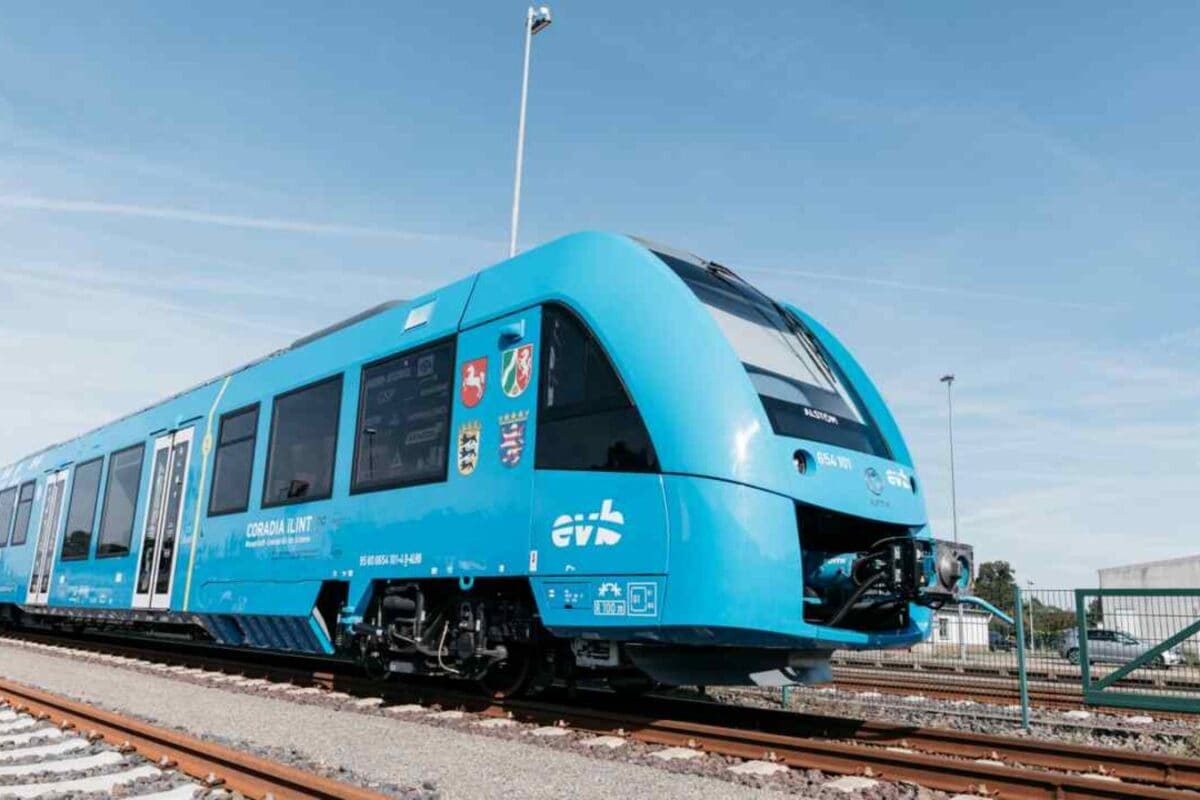
Full Steam Ahead: All You Need To Know About India's First Hydrogen Train To Be Flagged Off By PM Modi On July 17 Written By, Last Updated: July 08, 2026, 07:30 IST The launch would mark a historic shift for the Indian Railways as it transitions towards low-emission, sustainable transport alternatives The 10-coach trainset comprises two driving power cars rated at 1,200 kW each—delivering a combined output of 2,400 kW—and eight passenger coaches, making it the world's longest hydrogen train on broad gauge. Representational image/X In what would be a major push for green mobility and infrastructure modernisation, Haryana Assembly Deputy Speaker Krishan Middha has said that Prime Minister Narendra Modi is scheduled to visit the state on July 17 to flag off India’s first hydrogen-powered train from Jind. The landmark launch headlines a massive development blitz across the state, featuring a package of railway, highway, healthcare, and cultural projects worth thousands of crores of rupees. The launch would mark a historic shift for the Indian Railways as it transitions towards low-emission, sustainable transport alternatives. The public address and launch event in Jind are being designed as eco-friendly programmes, emphasising fuel conservation and environmental sustainability.
India’s First Hydrogen Train: Key Facts The indigenously developed train will operate on the 90-kilometre Jind–Sonipat broad gauge corridor. Developed under specifications laid down by the Research, Design & Standards Organisation (RDSO), the project positions India within an elite global club of nations utilising hydrogen traction technology. Configuration: The 10-coach trainset comprises two driving power cars rated at 1,200 kW each—delivering a combined output of 2,400 kW—and eight passenger coaches, making it the world’s longest hydrogen train on broad gauge. Speed Limits: The Railway Board has sanctioned an initial operational speed of up to 75 kmph for the pilot phase on the Jind–Sonipat section. Environmental Impact: The propulsion system uses a hybrid model combining hydrogen fuel cells with lithium-ion batteries. It produces zero carbon dioxide emissions, discharging only water vapour and steam. Efficiency: One kilogram of hydrogen delivers an energy output equivalent to approximately 4.5 litres of diesel. A complete 180-kilometre round trip will consume about 360 kilograms of hydrogen. To support daily operations, a dedicated hydrogen production and refuelling facility has been set up at Jind junction at an estimated cost of Rs 120 crore. The 2,000-square-metre plant features an underground storage network capable of holding 3,000 kilograms of hydrogen.
 The BriefWire