Southwest Pacific’s last tropical glacier could vanish within months
The latest State of the Climate in the South-West Pacific report found that 2025 was the second warmest year on record for the region, behind
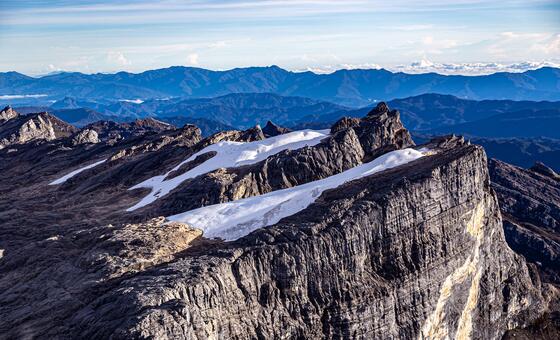
The latest State of the Climate in the South-West Pacific report found that 2025 was the second warmest year on record for the region, behind 2024, with average surface air temperature about 0.37 °C above the 1991–2020 average. The report documents how rising sea levels threaten low-lying island nations and coastal settlements – while marine heatwaves and ocean acidification are damaging ecosystems critical for food security, tourism, fisheries and local economies. Tweet URL A stark picture It warned that the region’s last remaining tropical glacier – located in Indonesia – may disappear by the end of this year or early 2027 as the remaining tropical ice cover is only about two per cent of the size observed in 1988. “For many countries and territories in the Southwest Pacific, the ocean is central to livelihoods, economies and resilience,” said WMO Secretary-General Celeste Saulo. “In 2025, the region experienced warming oceans, rising sea levels, marine heatwaves and ocean acidification, alongside tropical cyclones and the continued loss of tropical glacier ice.” Oceans under pressure WMO said long-term ocean warming has made marine heatwaves more frequent, longer lasting and more intense.
In 2025, record-high ocean heat content in the upper 700 metres of the ocean was observed south of Australia and in the southern Tasman Sea, as well as in parts of the tropical North Pacific between the Philippines and Hawaii and locally south of Sumatra in Indonesia. Average sea-surface temperatures remained high across the whole region despite the temporary cooling influence of the La Niña climate pattern in some areas, with record levels around Papua New Guinea, in the Australian region and across a broad area of the tropical western North Pacific extending from east of the Philippines to Hawaii. Fisheries and ecosystems disrupted Marine heatwaves can cause coral bleaching, fish deaths, major disruption to aquaculture, kelp forest loss, shifts in species distribution and harmful algal blooms, WMO explained. Although marine heatwave coverage in 2025 was lower than the previous year, it still marked the most extensive ever recorded in a year without an El Niño event, which the agency called “a worrisome sign for 2026, with a potentially strong El Niño event now developing.” During summer 2024/2025, marine heatwave conditions around Australia contributed to coral bleaching in both the eastern and western reef systems in the same season for the first time, highlighting the need for effective early warning services.
 The BriefWire