Peace hinges on people-centred policing, global summit hears
The two-day summit brings together ministers, chiefs of police and senior representatives of policing organizations to discuss how UN policing and national police can mutually
The two-day summit brings together ministers, chiefs of police and senior representatives of policing organizations to discuss how UN policing and national police can mutually reinforce one another in addressing current and emerging global security challenges. “The goal of this summit is to ensure that our Organization is aligned and prepared to support the nearly 4,500 UN Police personnel nearly 80 countries who serve across our peace operations while also helping shape how United Nations policing continues to evolve to meet today’s increasingly complex security environment,” said chief of UN Peace Operations Jean-Pierre Lacroix. “Ultimately, the focus is on ensuring that we continue to invest in peace by investing in effective policing, strong partnerships and the women and men who serve on the front lines every single day,” he said. Budget cut impacts Lacroix said recent budget cuts from the lack of some Member States fully paying assessed contributions “have had a real impact across the board where it matters most”.
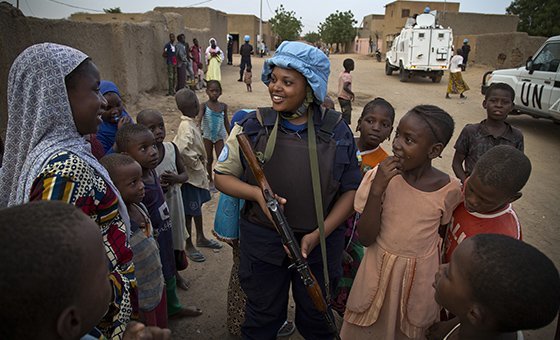
“The approved budgets remain in place, but without the necessary cash, those budgets cannot be fully implemented,” he said. “We have effectively had to reduce spending by around 25 per cent, and this affects nearly every aspect of our work.” Less payments mean reduced patrols in high-risk areas, longer response times to developing crises and fewer opportunities to train and support local police so they can assume full responsibility when missions eventually wind down. UNAMID/Albert González Farran Tackling cybercrime to sexual violence Despite financial challenges, policing remains a cornerstone of sustainable peace, said UN Police Adviser Faisal Shahkar. Unlike military peacekeepers, UN police work directly with communities to strengthen national police services, rebuild public trust and reinforce criminal justice institutions after conflict, tackling challenges from organised crime and cybercrime to sexual and gender-based violence. The results are visible across peace missions In the Democratic Republic of the Congo, UN police support civilian protection through integrated patrols, turning emergency calls into operational interventions and supporting national police in high-risk areas In the Central African Republic, UN police have helped national authorities prepare for safe and secure elections In Abyei, community-oriented policing, mediation and dialogue have helped reduce tensions between communities and promote women's participation in local security arrangements Beyond silenced weapons Shahkar said this year’s summit will focus on the future of UN policing, including innovation and new technologies, stronger partnerships and more effective responses to transnational threats.
 The BriefWire