Factional Feuds: How Sukhjinder Randhawa’s Rebellion Deepens Congress Crisis In Punjab And Rajasthan
Factional Feuds: How Sukhjinder Randhawa’s Rebellion Deepens Congress Crisis In Punjab And Rajasthan Reported By, Last Updated: July 07, 2026, 22:23 IST Randhawa also serves
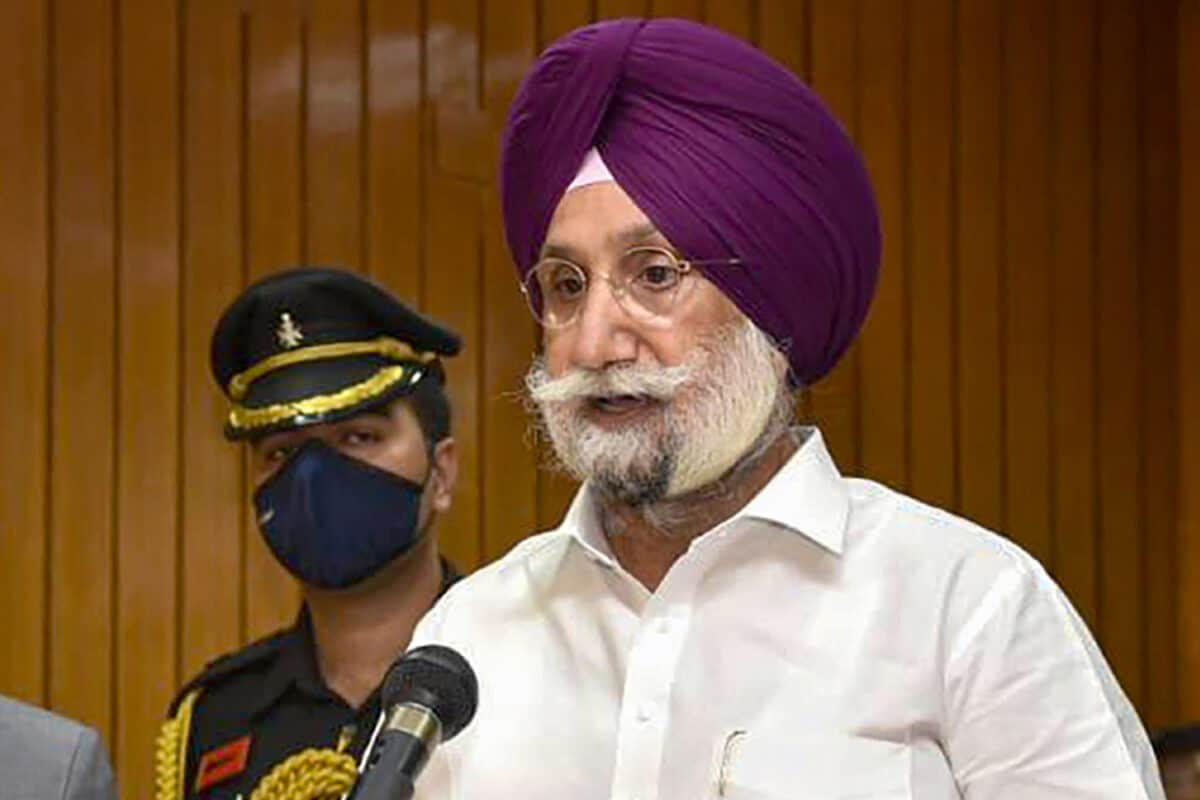
Factional Feuds: How Sukhjinder Randhawa’s Rebellion Deepens Congress Crisis In Punjab And Rajasthan Reported By, Last Updated: July 07, 2026, 22:23 IST Randhawa also serves as the All India Congress Committee (AICC) general secretary in charge of Rajasthan Adding significant gravity to the political drama, Randhawa recently held a high-profile meeting with Union Home Minister Amit Shah in New Delhi. File pic/PTI The internal instability shaking the Congress party has escalated as structural friction spreads simultaneously across two vital northern strongholds. At the centre of this widening organisational crisis is Gurdaspur MP Sukhjinder Singh Randhawa, whose dual roles have created a direct challenge for the party high command. While actively flexing his political muscle alongside former Chief Minister Charanjit Singh Channi to lead a major rebellion within the Punjab unit, Randhawa also serves as the All India Congress Committee (AICC) general secretary in charge of Rajasthan—the very state where the party potentially faces its next major leadership showdown. The irony of this configuration has heightened anxieties within the party’s top leadership.
Ordinarily, Randhawa’s primary executive responsibility as the Rajasthan in-charge would be to pacify disgruntled state factions and manage internal transitions. Instead, he has emerged as a key figure of dissent himself. This development complicates the high command’s decision-making process for Rajasthan, where leadership must finalise who will head the state unit—balancing the interests of former Chief Minister Ashok Gehlot’s preferred nominee against the long-deferred aspirations of Sachin Pilot. High-Stakes Defiance and the Flashpoint in Punjab The current wave of public discontent erupted immediately after the party structure finalised its senior organisational appointments for Punjab, confirming Amarinder Singh Raja Warring’s continuation as state unit chief ahead of the upcoming legislative polls. The decision triggered a swift pushback from the Channi-Randhawa axis, culminating in a coordinated boycott of official meetings called by AICC Punjab in-charge Bhupesh Baghel in Chandigarh. Adding significant gravity to the political drama, Randhawa recently held a high-profile meeting with Union Home Minister Amit Shah in New Delhi, where he was personally received and escorted by senior BJP leader Tarun Chugh.
While Randhawa has since clarified that he remains firmly with the Congress and that the discussion focused strictly on cross-border law-and-order concerns, the highly public timing and choreography of the meeting were widely interpreted by party insiders as a tactical signal of defiance to the central leadership. Firm Stance Amid Growing Operational Delays Despite a series of parallel meetings held by the dissident faction in Mohali and Morinda to press for structural adjustments, the central leadership is showing little inclination to alter its course. Speaking with News18, Congress Punjab in-charge Bhupesh Baghel emphasised that there will be no administrative rethink or reversal on the organisational appointments already finalised by the high command. Even as the party central apparatus seeks to open lines of communication to contain the rebellion, grassroots anxiety is visibly mounting. Punjab Congress chief Raja Warring expressed strong frustration over the prolonged internal standoff, warning that valuable campaign time is being squandered on internal feuds when the rank and file should be out on the streets actively combating the ruling Aam Aadmi Party (AAP).
 The BriefWire