From Annadatas To Urjadatas: How India’s Ethanol Blended Petrol Push Has Fuelled Farmer Income Boost
From Annadatas To Urjadatas: How India’s Ethanol Blended Petrol Push Has Fuelled Farmer Income Boost Written By, Last Updated: July 07, 2026, 20:52 IST The
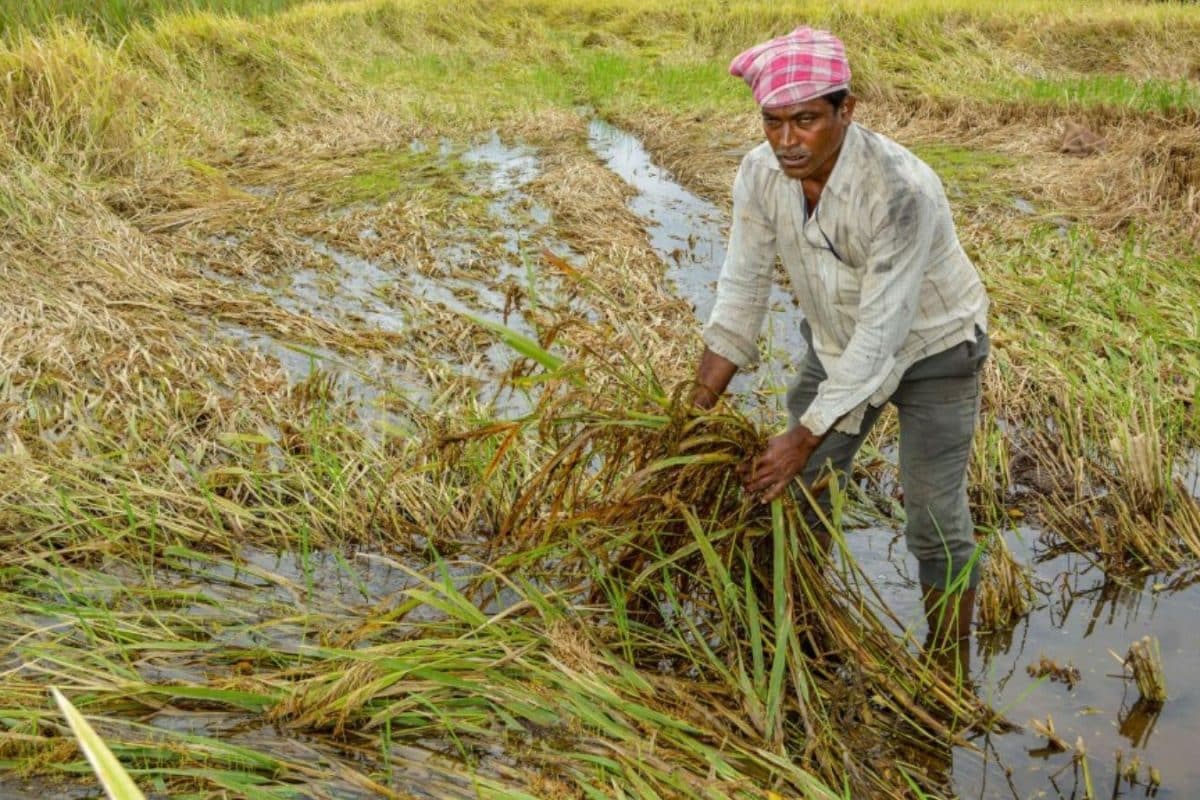
From Annadatas To Urjadatas: How India’s Ethanol Blended Petrol Push Has Fuelled Farmer Income Boost Written By, Last Updated: July 07, 2026, 20:52 IST The initiative has injected more than Rs 1.6 lakh crore in additional earnings directly into the pockets of the country's farming community over the past decade To sustain a nationwide 20 per cent blending rate, national policy has expanded the procurement net to include a variety of starch-heavy feedstocks. (Representational Image) India’s Ethanol Blended Petrol (EBP) programme has engineered a historic structural pivot within the domestic rural economy. By systematically diverting agricultural surpluses into fuel production, the initiative has injected more than Rs 1.6 lakh crore in additional earnings directly into the pockets of the country’s farming community over the past decade. This massive influx of capital has fundamentally altered the financial health of rural households, transforming traditional growers of food into vital stakeholders in national energy security. Historically, Indian farmers have faced persistent market volatility, characterised by cyclical crop gluts and delayed payment schedules from processing mills. The introduction of a predictable, state-supported ethanol procurement framework has created an alternate, high-volume industrial market for agricultural produce.
By offering reliable off-take guarantees, the programme has successfully insulated millions of smallholders from the uncertainties of conventional open-market trade. Expanding the Feedstock Basket Beyond Sugarcane While the first phase of the ethanol transition relied heavily on sugarcane molasses, the long-term sustainability of the model has driven a deliberate diversification of raw materials. To sustain a nationwide 20 per cent blending rate, national policy has expanded the procurement net to include a variety of starch-heavy feedstocks. This multi-feedstock model ensures that the economic benefits of the energy transition are distributed equitably across different agricultural zones. Sugarcane and Heavy Molasses: Continues to serve as the foundational backbone for distilleries in primary cultivating states like Uttar Pradesh, Maharashtra, and Karnataka. Maize and Coarse Grains: Emerging as a major secondary driver, offering a highly lucrative cash-crop alternative for farmers in rain-fed and water-stressed regions. Damaged Food Grains and Surplus Rice: Providing a crucial avenue for monetising sub-standard and excess grain stocks that would otherwise go to waste in storage facilities. Direct Fiscal Liquidity and the Sugar Sector Recovery The most tangible impact of the EBP mechanism is the dramatic reduction in cane price arrears.
 The BriefWire