Heat-resistant housing: how we need to adapt our homes
In Germany, it is time to rethink and rebuild. Many apartments here were not designed for heat waves. Fortunately, there are ways to adapt existing
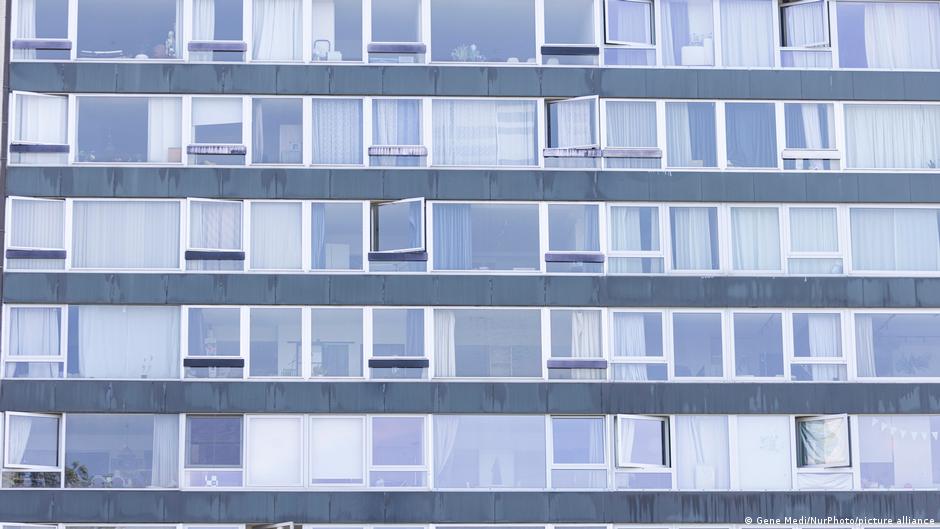
In Germany, it is time to rethink and rebuild. Many apartments here were not designed for heat waves. Fortunately, there are ways to adapt existing buildings to the changing climate — but air conditioning isn't the best. In mid-June, the German Weather Service (DWD) described the record-breaking heat in Germany and Europe as "a heat wave for the history books." The 40-degree-Celsius mark (104 degrees Fahrenheit) was surpassed at a total of 46 weather stations in eleven German states — the highest temperatures ever in the month of June. Eleven hot days and nights heated up many people's homes so much that cooling off and getting a good night's sleep were out of the question. Sustained lack of rest can have serious health consequences and can even be fatal. Extreme heat waves appear to be getting more common across Europe and elsewhere. On July 7, 2026, the World Health Organization warned that "the next heatwave is already building over the Atlantic. Portugal and southern Spain are forecast to reach 43C this week. France and the Benelux are bracing for another heat surge. Parts of Central Asia are baking under 40C heat." It is high time for homeowners and local governments to rethink their approach to housing, says Thomas Auer, professor of building technology and climate-friendly construction at the Technical University of Munich. "If you don't think about cooling in the summer when you're building, that's a big mistake," Auer told DW. Windows: lots of light, lots of sun, lots of heat Direct sunlight is the number one source of heat.
So, Auer says it's important to have an "appropriate proportion of window area" — that is, a number and size of windows that provide enough light without creating a greenhouse-like atmosphere in the apartment. In many rental apartments, there aren't enough options for shading with roller shutters or blinds, he said. Shading is particularly problematic in attic apartments, where heat accumulates. "A skylight is exposed to the sun much more than a vertical window," said Auer. "And [the requisite] shading devices are harder to manufacture." Seville's efforts to beat the heat To view this video please enable JavaScript, and consider upgrading to a web browser that supports HTML5 video Concrete, wood, clay, brick — what materials are heat-resistant? From the floors to the walls and ceilings, most houses in Germany are made of concrete. When it comes to regulating heat (a.k.a. thermoregulation), concrete is not such a bad idea at first glance. The material has a high thermal mass, which means that it is capable of absorbing large amounts of heat and releasing it gradually over time. Concrete acts as a climate buffer. For this to work, however, it's necessary for nights to be cool so that the concrete can release the heat it's absorbed during the day. But if temperatures fail to drop below 20 degrees Celsius at night, the walls stay warm. Another problem with concrete is that the cement used to make it produces high CO2 emissions, a cause of climate change.
 The BriefWire