Should India Prioritise E20 Or EVs? Understanding Government's Twin-Track Strategy
Should India Prioritise E20 Or EVs? Understanding Government's Twin-Track Strategy Written By, Last Updated: July 07, 2026, 17:50 IST E20 functions as an immediate tool
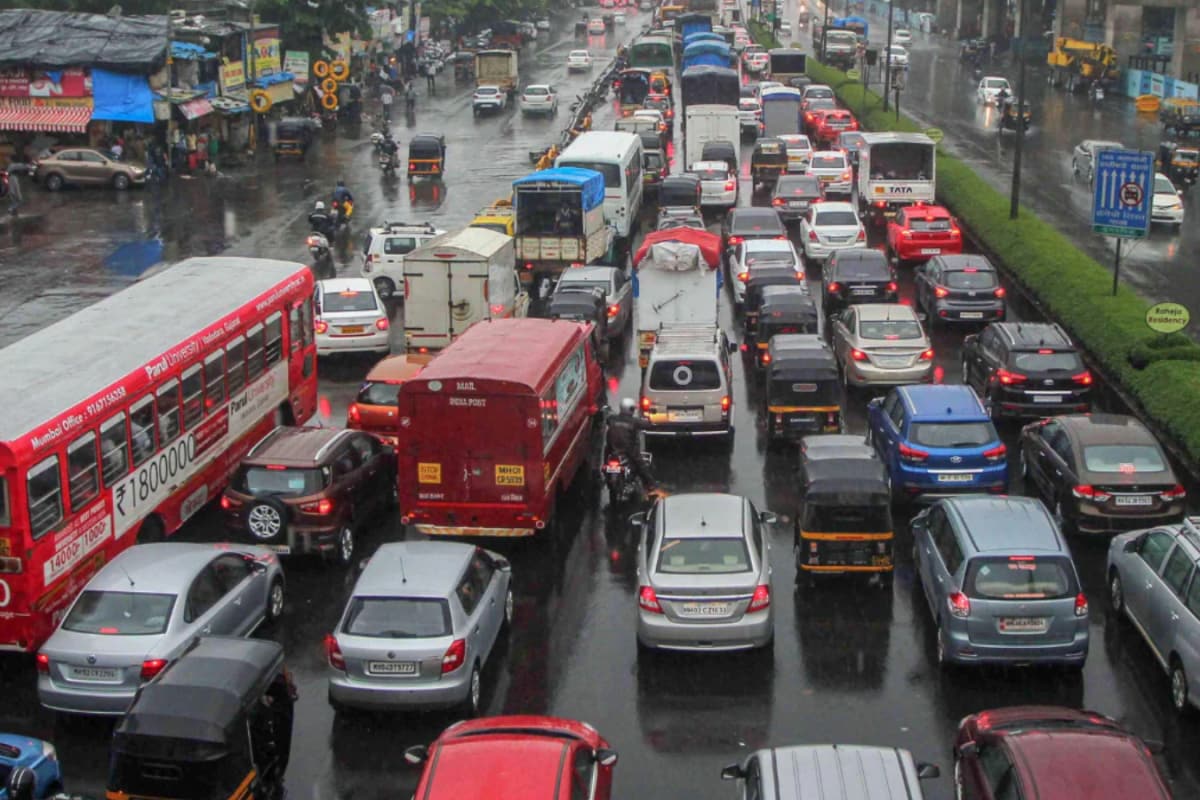
Should India Prioritise E20 Or EVs? Understanding Government's Twin-Track Strategy Written By, Last Updated: July 07, 2026, 17:50 IST E20 functions as an immediate tool for energy security, whereas electric vehicles are positioned as the definitive long-term solution for decarbonisation Economic and transport models indicate that India's petrol consumption is projected to peak around the early 2032 window before entering a structural decline as mass electrification expands. Representational image India’s transport sector is undergoing a rapid transformation, driven by two distinct clean-mobility pathways: E20 (petrol blended with 20% ethanol) and battery electric vehicles (EVs). Rather than presenting a simple choice of one over the other, current national policy treats them as a sequential, twin-track strategy. E20 functions as an immediate tool for energy security, whereas electric vehicles are positioned as the definitive long-term solution for decarbonisation. The urgency of this dual approach has been intensified by recent global energy volatility, highlighting India’s vulnerability as a nation that imports approximately 85% of its crude oil requirements. E20: The Rapid Strategic Deployment The deployment of E20 petrol has achieved remarkable near-term success. India fully transitioned its domestic fuel supply to E20 petrol significantly ahead of the original statutory schedule.
This rapid deployment has significantly curtailed foreign exchange outflows, saving over Rs 1.4 lakh crore in crude oil imports. It has also provided a robust economic cushion to the agrarian sector by redirecting surplus sugarcane, maize, and damaged food grains into ethanol production. Despite these macroeconomic benefits, the mandatory E20 rollout faces practical challenges. The primary consumer concern centres on a marginal drop in fuel efficiency, as ethanol contains a lower energy density per litre than pure petrol. Automotive laboratories note that E20 can cause a minor mileage reduction of between 3% and 6% depending on engine calibration. Furthermore, while vehicles manufactured after April 2023 are fully material-compliant, older legacy vehicles remain susceptible to long-term component degradation, as ethanol naturally attracts moisture, accelerating the wear of standard rubber gaskets, hoses, and fuel line seals. Electric Vehicles: The High-Capital Infrastructure Horizon Conversely, the transition towards electric vehicles addresses long-term zero-emission objectives but requires substantial capital investment. Backed by central initiatives like the PM E-DRIVE scheme and Production Linked Incentive (PLI) outlays for advanced chemistry cell battery storage, EV adoption has surged across urban centres. The fiscal framework provides a substantial advantage, utilising a low 5% Goods and Services Tax (GST) rate for electric vehicles compared to the hefty 28% levy imposed on traditional internal combustion engine vehicles.
 The BriefWire