125-million-year-old pregnant fossil reveals strange reproduction method
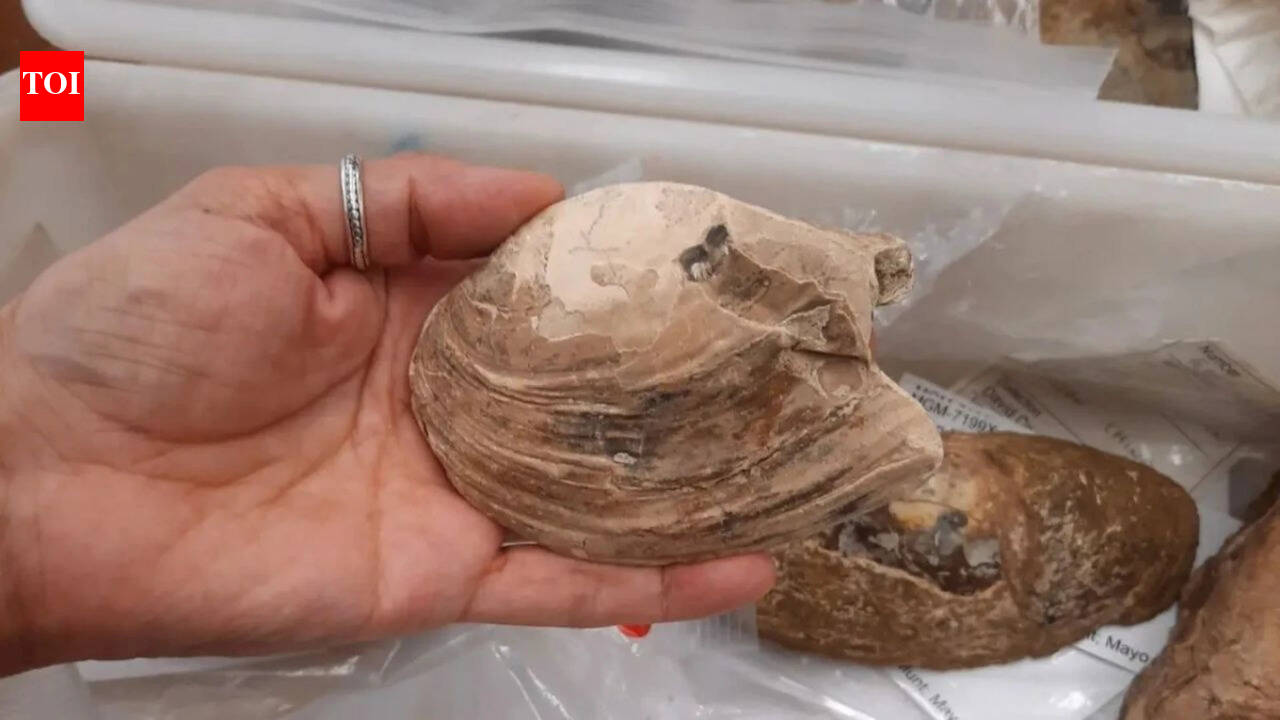
Discoveries from the Isle of Wight have unveiled ancient shellfish fossils that highlight early parental care practices. These 125-million-year-old findings include evidence of developing young
Discoveries from the Isle of Wight have unveiled ancient shellfish fossils that highlight early parental care practices. These 125-million-year-old findings include evidence of developing young residing within the adults' gills, showcasing an extraordinary aspect of shellfish behavior. This pivotal research provides insights into the reproductive strategies that flourished during the Early Cretaceous, alongside adaptations that allowed these molluscs to thrive in ancient freshwater ecosystems.
 The BriefWire