Google, Meta Tell Delhi HC They Can't Be 'Super Censors', Oppose Blanket Monitoring Of Content
Google, Meta Tell Delhi HC They Can't Be 'Super Censors', Oppose Blanket Monitoring Of Content Written By, Last Updated: July 07, 2026, 11:51 IST The
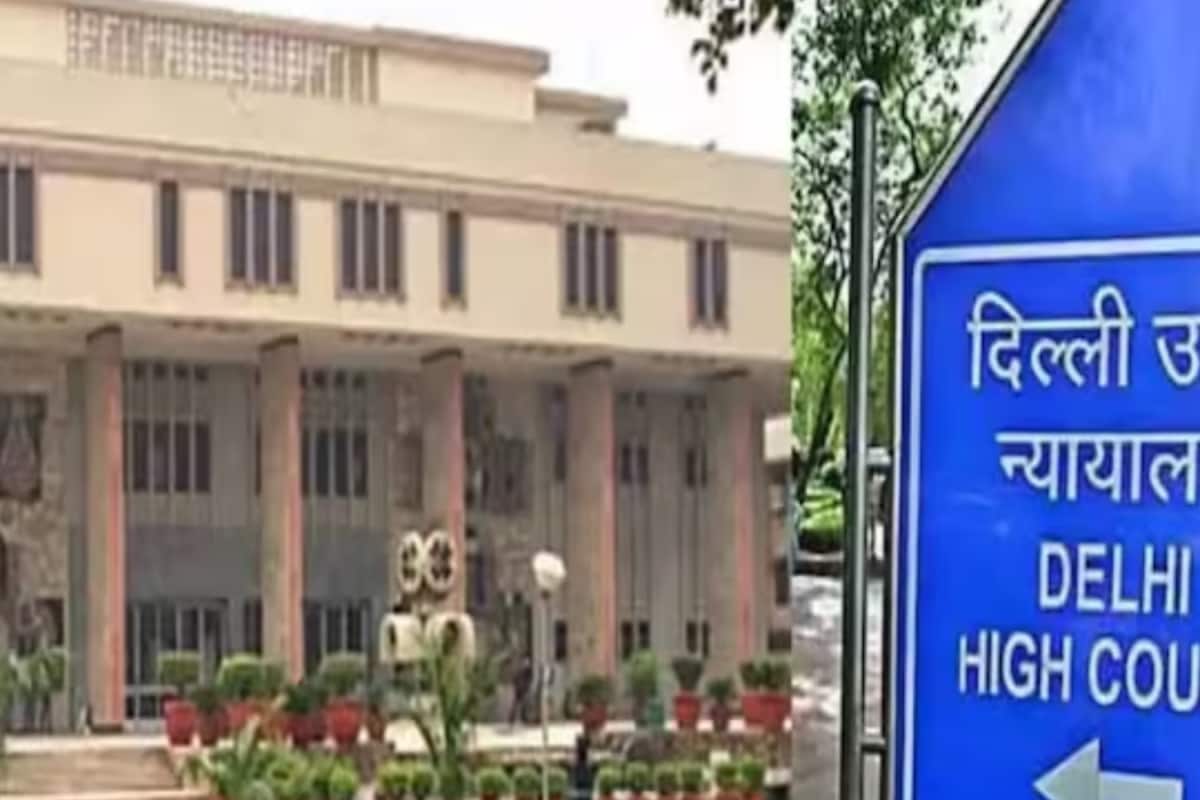
Google, Meta Tell Delhi HC They Can't Be 'Super Censors', Oppose Blanket Monitoring Of Content Written By, Last Updated: July 07, 2026, 11:51 IST The tech giants argued that intermediaries are not legally obligated to actively monitor user-generated content and can only act when specific content or URLs are identified Rapid Read Delhi High Court. (File photo) Tech giants Google and Meta have told the Delhi High Court that requiring social media platforms to proactively monitor and remove all allegedly unlawful content uploaded by users is both legally untenable and practically impossible, arguing that intermediaries cannot be turned into “super censors" responsible for deciding what is lawful and what is not. The companies were responding to a petition filed by advocate Vaibhav Singh, who sought directions for intermediaries to proactively identify and remove content allegedly violating the law. The plea stems from the circulation of audio and video recordings of court proceedings involving former Delhi chief minister Arvind Kejriwal, which the petitioner claims were uploaded in violation of the Delhi High Court’s video conferencing rules. THE CASE The controversy began after clips of court proceedings related to Kejriwal’s alleged excise policy case were circulated online. Singh, in his petition, sought contempt proceedings against Kejriwal and others over the alleged publication of the recordings.
While hearing the matter in April, a division bench of the Delhi High Court expanded the scope of the case by posing a broader legal question: can social media platforms be required to automatically detect and remove posts that violate an existing law, such as the high court’s prohibition on recording or publishing virtual court proceedings? WHY GOOGLE AND META ARE OPPOSING THE PLEA In separate submissions before the court, both companies argued that India’s legal framework does not require intermediaries to proactively screen every piece of user-generated content before it is published. The Indian Express reported Meta as saying that determining whether content is unlawful cannot be done in the abstract and requires examining its source, context, legality and the specific court directions applicable to it. Asking platforms to make those judgments themselves, it argued, would effectively force them to become “super censors"—a role the Supreme Court has expressly cautioned against. The company further argued that the Information Technology (Intermediary Guidelines and Digital Media Ethics Code) Rules, 2021, require intermediaries to make “reasonable efforts" to discourage users from posting unlawful material, but do not mandate prior censorship or independent adjudication of every post uploaded on their platforms. Google adopted a similar position, arguing that intermediaries are not legally obligated to actively monitor billions of pieces of user-generated content and can only act effectively when specific content or URLs are identified.
 The BriefWire