Cliff swallows abandoned the California town they once filled every spring, then people came together to rebuild their homes and welcomed them back with an annual festival
Thousands of cliff swallows returned to this California town every spring Why the swallows stopped returning A community worked to rebuild their home The birds
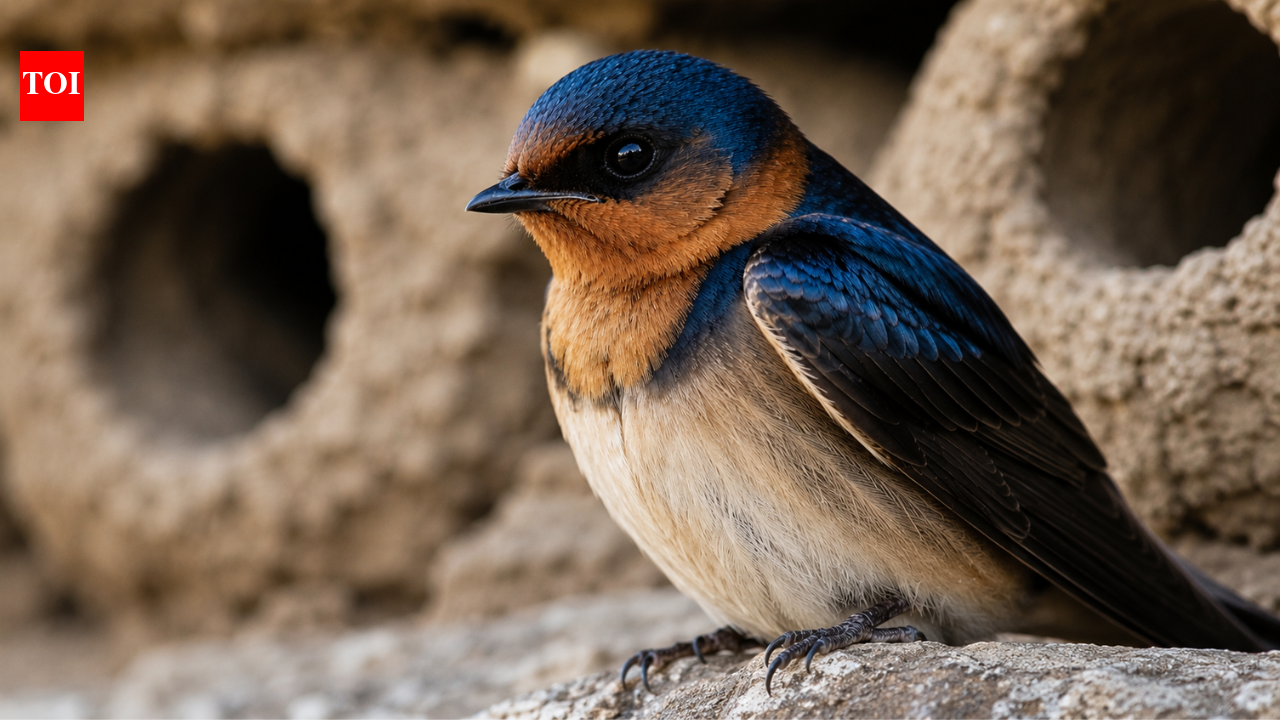
Thousands of cliff swallows returned to this California town every spring Why the swallows stopped returning A community worked to rebuild their home The birds found their way home again A festival continues to celebrate their return The annual Swallows Day Parade celebrates one of America's most famous bird migrations. For centuries, the arrival of thousands of cliff swallows transformed the skies above a small California town into one of America's most celebrated wildlife spectacles. Every spring, the agile birds returned almost like clockwork after migrating from South America, filling the air with their distinctive chatter as they rebuilt their mud nests around the historic mission. Their homecoming became so famous that it inspired poems, songs and an annual festival. Then, over several decades, their numbers dwindled dramatically. As the birds abandoned the place that had made them famous, residents and scientists began searching for the reasons behind the decline and set out to restore the conditions that had once made the town a perfect seasonal home.The story centres on San Juan Capistrano in southern California, home to the historic Mission San Juan Capistrano.
Its sheltered walls, arches and overhanging ledges offered ideal nesting sites for cliff swallows, small migratory birds that build flask-shaped nests using hundreds of tiny mud pellets.Each year, the birds travelled thousands of kilometres from South America to breed in California before making the journey south again for winter. Their remarkable ability to return to the same location year after year turned San Juan Capistrano into one of North America's most famous migration landmarks.By the late twentieth century, visitors began noticing fewer swallows arriving each spring. Scientists found there was no single cause behind the decline. Rapid urban development reduced open areas where the birds collected mud and hunted flying insects, while many modern buildings lacked the sheltered ledges they preferred for nesting.Routine building maintenance also removed old nests, leaving fewer places for new generations to settle. On top of that, drought and shifting weather patterns affected insect populations, making the surrounding landscape less favourable than it had been for centuries.Rather than accepting the loss of a cherished tradition, residents, conservation groups, scientists and mission staff joined forces to improve the birds' chances of returning.
 The BriefWire