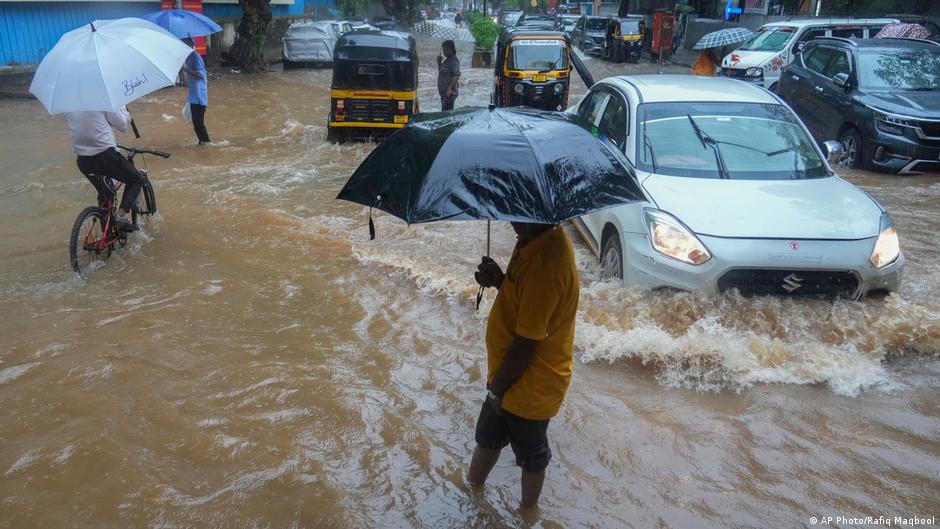
India news: Mumbai building collapse kills 6, as heavy rains batter city
07/06/2026 July 6, 2026 More than 9,000 Indian Army servicemen identified and added to WWI casualty records Many Indian Army servicemen in both World Wars
07/06/2026 July 6, 2026 More than 9,000 Indian Army servicemen identified and added to WWI casualty records Many Indian Army servicemen in both World Wars were Sikhs from the Punjab Image: The Print Collector/Heritage Images/picture alliance The Commonwealth War Graves Commission (CWGC) on Monday announced "the largest single addition to its casualty records since the Second World War." A total of 9,909 Indian Army servicemen previously missing from the CWGC's records have been added, "correcting a past historical omission that meant they were never formally commemorated." This follows years of research by the CWGC, the UK Punjab Heritage Association and the University of Greenwich, digitizing and analyzing documents held at Lahore Museum, now in Pakistan, containing the names and service details of approximately 320,000 Punjabi recruits.
The predominantly Sikh Punjab region was a key recruiting hub for the Indian Army in the colonial era, in large part because of the existing Sikh martial traditions. "Britain and Punjab share a long history, notably during the two world wars, and for over a hundred years, part of it was missing. These men were never commemorated — not because they didn't serve, but because a decision made a century ago excluded their sacrifice from the record. Putting that right means giving families around the world their history back, and properly and equally commemorating the men who died," Amandeep Madra, British historian, author and chair of the UK Punjab Heritage Association said.
More than 1.4 million men served in the Indian Army on all major battlefronts during World War I, around half a million of them from the Punjab. Most of the almost 10,000 soldiers not logged in records at the time had died in non-operational zones within India during the war. At the time, this meant they were not included in casualty lists and their names were not shared with the CWGC. The CWGC launched a special project in 2021, called the Non-Commemoration Program, seeking to identify soldiers missing from its register and address historical inequalities in the record keeping.
This project is by far the largest contributor so far to a process that has added more than 20,000 lost names to the records.
 The BriefWire