Why many immigrants leave Germany again
Germany been attracting many skilled workers to its labor market. The challenge, however, is that many of them do not stay. So what is going
Germany been attracting many skilled workers to its labor market. The challenge, however, is that many of them do not stay. So what is going wrong? "Anyone who wants to shape immigration successfully must also understand emigration," said Laura Goßner of the Institute for Employment Research (IAB) at a press conference in Berlin. The organization conducted an online survey of people aged 18 to 65 who had immigrated to Germany before April 2025, asking them why they had left the country again and which factors had influenced their decision. The researchers found that emigration is not driven by any single factor. Family-related reasons, in particular, play a major role. Experiences of discrimination were also cited. Many of the contributing factors, such as bureaucracy, housing, and language acquisition, can be influenced by public policy. Labor shortage forces Germany to accept more qualifications To view this video please enable JavaScript, and consider upgrading to a web browser that supports HTML5 video Who is most likely to leave Germany again? "On average, emigrants are younger. They have spent less time in Germany and are more likely to have partners and children living abroad. They are also less likely to be proficient in German but more likely to have a good command of English," explained IAB expert Theresa Koch. While 60% of emigrants return to their home countries, 40% move on to other destinations. The most popular destinations are Spain, Switzerland, Italy, and Croatia.
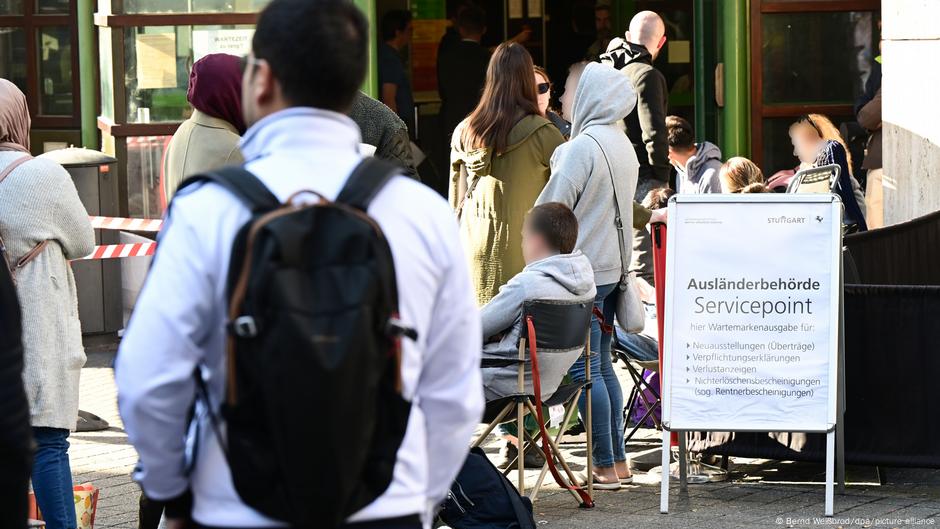
"We are competing with other European countries for skilled workers," said Yuliya Kosyakova, Head of the Research Department on Migration, Integration and International Labour Market Research at the Institute for Employment Research. Bureaucracy is one of the main drivers of emigration Emigrants criticize well-known things about Germany: lengthy processing times for naturalization applications, residence permits, visas, and the recognition of foreign qualifications. They often face long waits for responses from the authorities. High administrative fees are another common source of frustration. A further point of criticism is the lack of support for career development, whether from job centers, local authorities, or employers. All of this makes long-term planning, access to employment, and a sense of belonging in Germany more difficult, says Laura Goßner. Administrative procedures influence "how immigrants assess their future in Germany. When procedures are perceived as lengthy, confusing, or difficult to access, this can affect people's prospects of staying," the IAB expert explains. "We find that immigrants who view such procedures more negatively, on average, less likely to feel welcome in Germany." Brains, beauty and barriers: the global job market To view this video please enable JavaScript, and consider upgrading to a web browser that supports HTML5 video Language remains key to success in the German labor market Tilman Frank is the Chairman of the Federal Association for International Skilled Labor Recruitment (Bundesverband internationale Fachkräftegewinnung e.V.) is also the Managing Director of TalentOrange GmbH, a company that has recruited and supported thousands of nurses, childcare workers, and physiotherapists for positions in Germany.
 The BriefWire