Crude oil relief: OMCs may break even on petrol, diesel rates soon; what it means
Public sector refiners have collectively absorbed losses of over Rs 75,000 crore during the first quarter of the current financial year. (AI image) What it
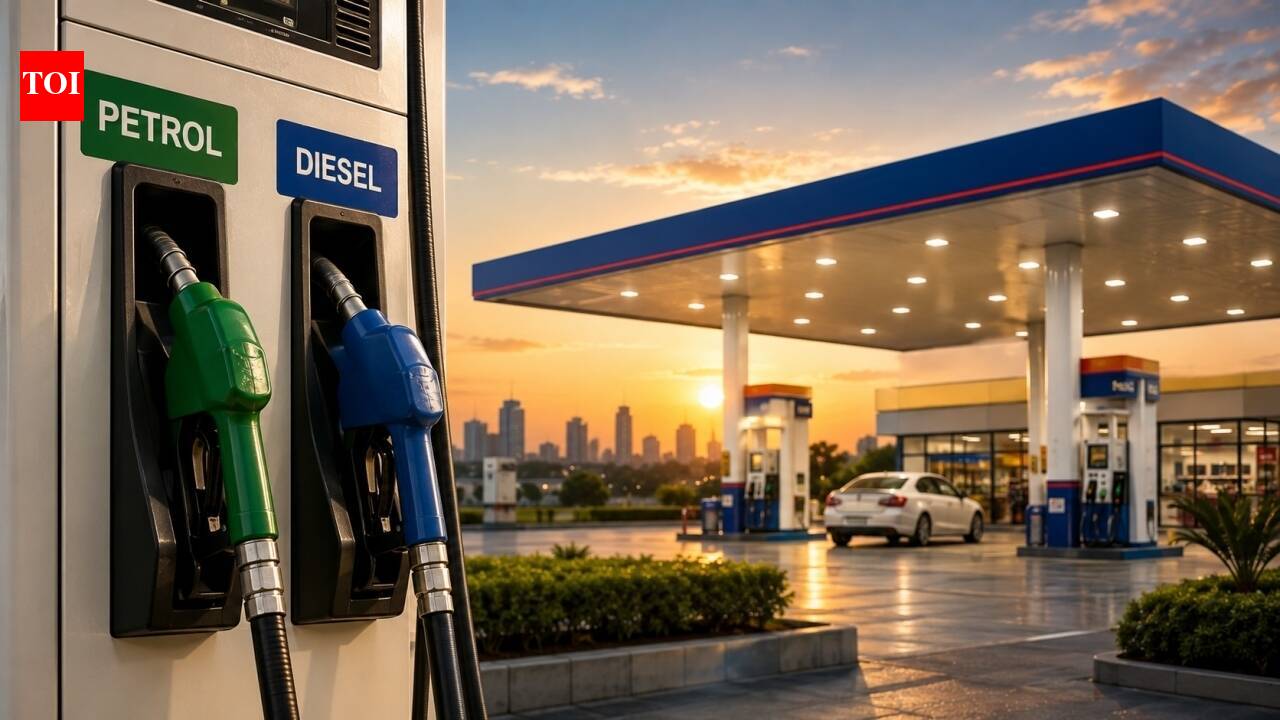
Public sector refiners have collectively absorbed losses of over Rs 75,000 crore during the first quarter of the current financial year. (AI image) What it means for petrol, diesel prices Hardeep Puri on oil prices OPEC+ production raise to help Respite for oil marketing companies! State-run oil marketing companies (OMCs) could reach the break-even point on petrol and diesel sales within the next seven to 10 days if crude oil prices remain around current levels, despite continuing to report under-recoveries.However, the companies are still incurring losses of about Rs 500 on every domestic LPG cylinder they sellPublic sector refiners have collectively absorbed losses of over Rs 75,000 crore during the first quarter of the current financial year. Since they continue to process higher-cost crude purchased earlier, profitability is expected to remain under pressure during the ongoing quarter.Global crude oil prices have tumbled to their lowest levels in four months and are now trading close to where they were before the outbreak of the war.Retail fuel prices in India have increased by about Rs 7.5 per litre since May 15.
The first revision came more than two-and-a-half months after the US-Iran conflict began.While private fuel retailer Nayara Energy has already lowered petrol and diesel prices, experts believe consumers should not expect an immediate reduction from state-run oil marketing companies.According to Oil Minister Hardeep Singh Puri, state-owned oil marketing companies have together incurred losses of Rs 74,781 crore on the sale of petrol, diesel and subsidised LPG.These losses have accumulated because petrol and diesel have been sold below cost for more than four months.Industry estimates indicate that if crude oil prices remain around $75 a barrel, oil marketing companies could begin recovering these accumulated losses over the next six to 12 months.Once their financial position improves, and subject to the government's approval, reducing petrol and diesel prices could become a viable option without significantly affecting OMC finances, fee experts.However, lowering retail fuel prices before the companies return to profitability would effectively amount to an additional indirect subsidy. Such a move would likely require either budgetary support from the government or further reductions in excise duties.India's past approach to fuel pricing shows some notable outcomes: During periods of lower crude oil prices, the government has generally used the opportunity to rebuild fiscal revenues or strengthen the balance sheets of oil marketing companies, rather than passing on the entire benefit of lower crude prices to consumers immediately.However, one thing remains clear: even if government were to restore excise duties, lower crude oil prices over a persistent period would allow for a petrol and diesel price cut sooner rather than later.Oil-producing alliance OPEC+ on Sunday agreed to raise crude output by another 188,000 barrels per day (bpd) for August.
 The BriefWire