Why herbicide Atrazine remains legal in India despite bans in Europe, 37 nations
Did you know that the Swiss government imposed a complete ban in 2012 on a chemical that had been developed by a Swiss company in
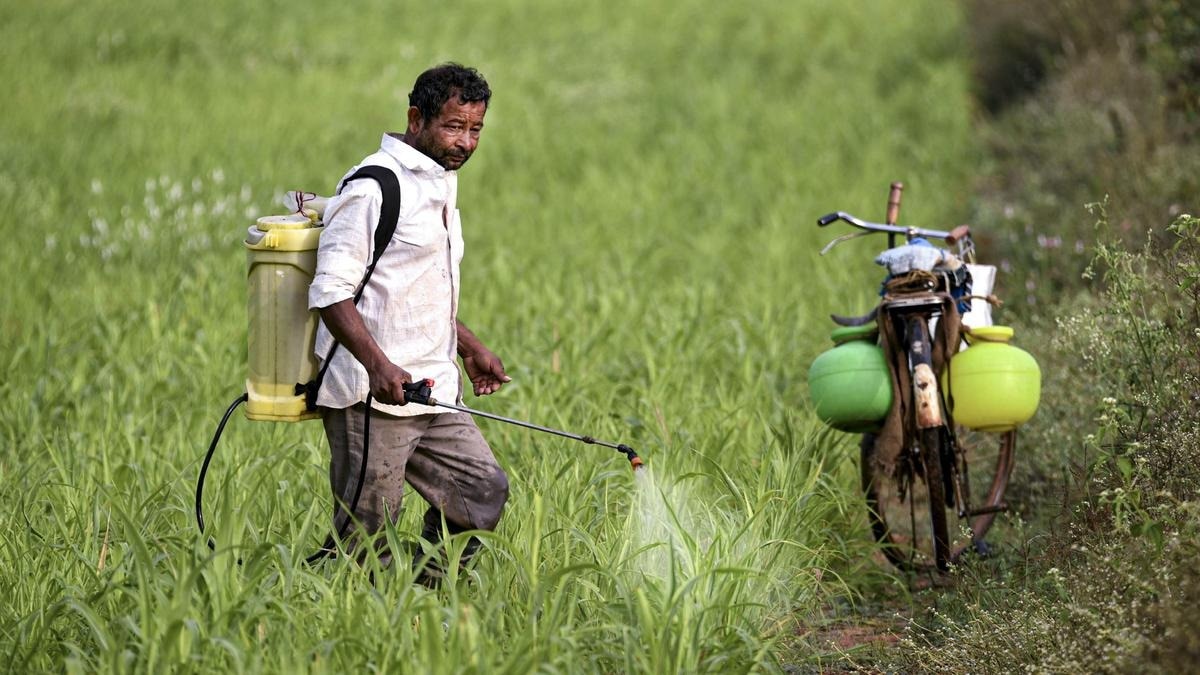
Did you know that the Swiss government imposed a complete ban in 2012 on a chemical that had been developed by a Swiss company in 1958 to protect the health of its citizens? Thirty-seven countries and the entire European Union had already phased it out years earlier after deeming it a threat to human health. Yet, in India's agricultural market, that very chemical - Atrazine - continues to be sold widely. Read Full Story Atrazine is a highly potent, systemic herbicide. Once sprayed, it is absorbed through the roots and leaves of weeds, where it blocks photosynthesis. Unable to produce food, the unwanted plants gradually wither and die. That, however, is only one side of the story. Now consider the dangers associated with it. A 2020 Government of India gazette notification classifies Atrazine as a highly dangerous endocrine disruptor. In simple terms, it can interfere with the body's endocrine system, which produces vital hormones such as thyroid hormones and insulin. By disrupting the normal functioning of these hormones, it may contribute to reduced fertility, obesity, diabetes and neurological disorders. Yet, despite these concerns, this "slow poison" continues to find its way into India's drinking water and food supply. WHO DEVELOPED ATRAZINE? Atrazine was developed in a laboratory in 1958 by scientists at the Swiss company JR Geigy, now known as Syngenta.
In 2017, Syngenta was acquired by a Chinese state-owned enterprise, which today is among the world's leading manufacturers of the chemical. Today, Atrazine is banned or not approved in more than 60 countries. According to the Government of India's gazette, 37 countries have imposed a direct legal ban on its use, while all 27 European Union member states have classified it as "not approved", effectively prohibiting its use. Legally, this means the chemical cannot be used there in order to protect soil and groundwater. Yet, in India, a chemical that has been linked to serious health concerns elsewhere continues to be legally available for agricultural use. WHAT THE GAZETTE SAYS When the Ministry of Agriculture issued a draft notification in May 2020, it appeared to signal a tougher approach towards Atrazine. The scientific reasons cited in that document for proposing a complete ban were significant. Referring to international scientific studies available in the public domain, the draft notification said Atrazine could disrupt the endocrine system and contribute to hormonal disorders. It also raised concerns that the chemical could contaminate groundwater because of its persistence in soil after application. In addition, it described Atrazine as highly toxic to fish and other aquatic organisms. The draft notification also said manufacturers had not provided adequate data on how long the chemical remained in the environment after application.
 The BriefWire