Punjab Insurgency Explained: The Historical Events Behind Diljit Dosanjh’s Satluj
Punjab Insurgency Explained: The Historical Events Behind Diljit Dosanjh’s Satluj Written By, Last Updated: July 06, 2026, 13:10 IST The historical events behind Dosanjh's film
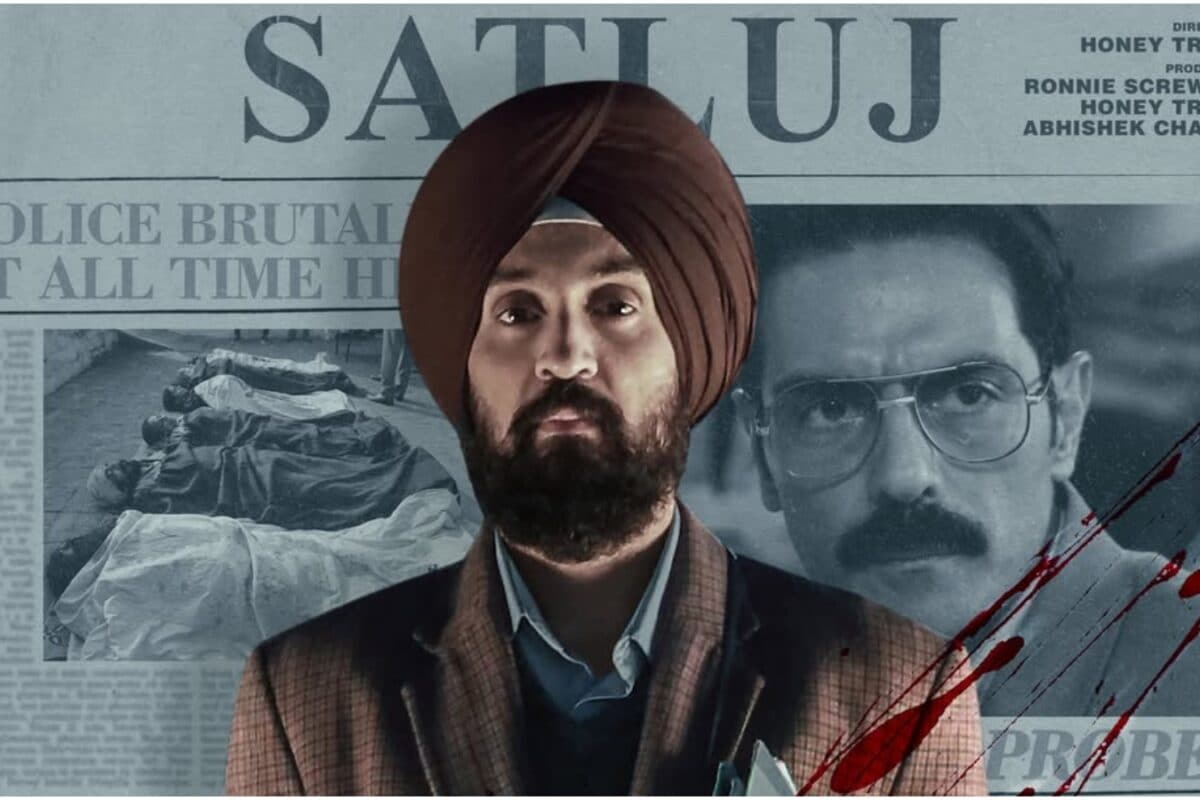
Punjab Insurgency Explained: The Historical Events Behind Diljit Dosanjh’s Satluj Written By, Last Updated: July 06, 2026, 13:10 IST The historical events behind Dosanjh's film are rooted in the Punjab insurgency (1984-1995), a decade of violent militancy and heavy-handed state counter-insurgency operations Rapid Read Diljit Dosanjh Reacts After Satluj Is Removed From Zee5 In India. Diljit Dosanjh’s film Satluj (formerly titled Punjab ’95) has been removed from the ZEE5 streaming platform in India just 48 hours after its digital release. Authorities flagged the politically sensitive project due to concerns that its raw portrayal of police brutality could be misused by “anti-India forces". The historical events behind Dosanjh’s film are rooted in the Punjab insurgency (1984-1995), a decade of violent militancy and heavy-handed state counter-insurgency operations. Directed by Honey Trehan, the biopic features Dosanjh as Jaswant Singh Khalra, a prominent human rights activist who investigated and exposed mass extrajudicial killings and illegal cremations of thousands of unidentified youth by the Punjab Police. The film highlights how a local bank manager became a pivotal human rights figure, culminating in his own forced disappearance and murder by state actors in September 1995. THE GENESIS OF THE CONFLICT: 1947 TO THE EARLY 1980S The friction featured in the background of Satluj traces its origin to the 1947 Partition of India. The division of Punjab left many in the minority Sikh population feeling politically and economically marginalised within India’s federal structure.
Anandpur Sahib Resolution (1973): The Akali Dal formalised demands for greater regional autonomy, economic self-sufficiency, and religious freedom. The central government, however, viewed the document as secessionist and subversive. Rise of Militancy: By the late 1970s and early 1980s, the movement grew radicalised under the leadership of Jarnail Singh Bhindranwale, who demanded an independent Sikh state called Khalistan. THE CATALYSTS: OPERATION BLUE STAR AND THE 1984 POGROMS Two defining events in 1984 accelerated the region into an all-out armed insurgency and complete breakdown of trust between the state and the civilian populace. Operation Blue Star (June 1984): The Indian Army launched a military assault on the Golden Temple in Amritsar to flush out armed militants. The operation resulted in heavy casualties, severe damage to the Akal Takht, and widespread outrage among Sikhs globally. Anti-Sikh Riots (November 1984): Following the assassination of Prime Minister Indira Gandhi by her Sikh bodyguards, state-orchestrated violence broke out against Sikhs in Delhi and other major cities, leaving thousands dead. THE ERA OF ENFORCED DISAPPEARANCES Between the mid-1980s and mid-1990s, the Indian state deployed aggressive counter-insurgency strategies led by the Punjab Police and paramilitary forces. While the operations successfully dismantled the armed militancy, they triggered massive human rights violations. Security forces were routinely accused of picking up young Sikh men under the suspicion of being militants, executing them in staged encounters, and labelling them “unidentified".
 The BriefWire