Trade, defence, temple diplomacy: What Indonesia expects from PM Modi's visit
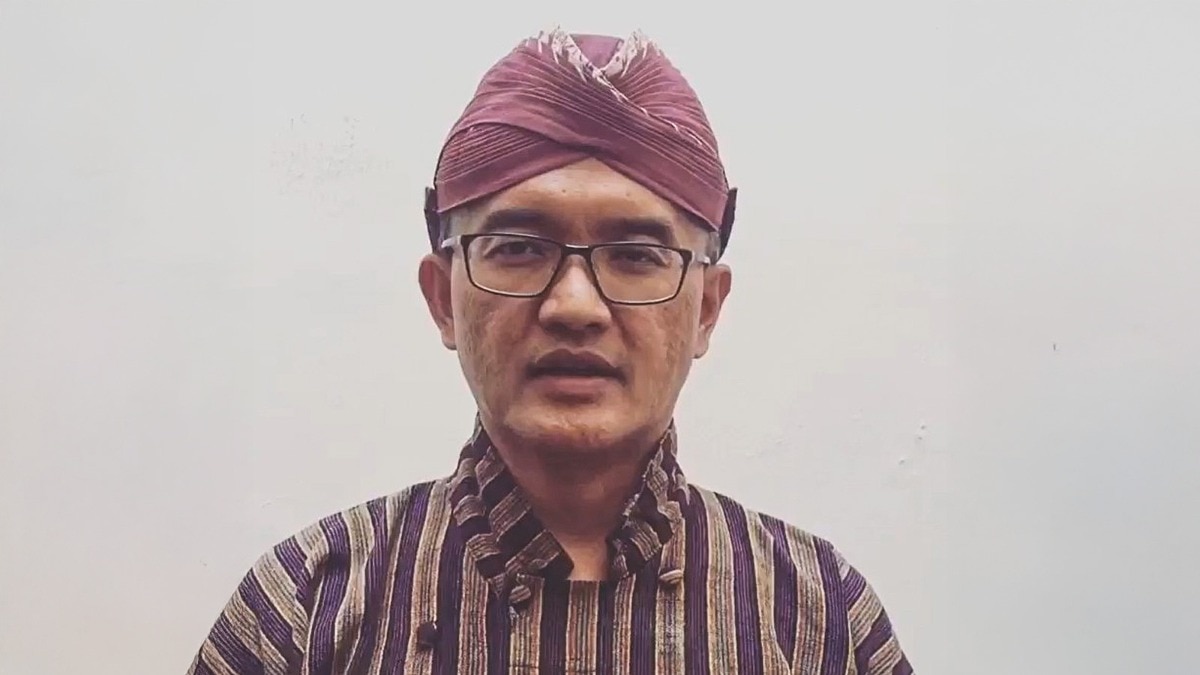
Indonesia's Charge d'Affaires Yudho Sasangko spoke to India Today Group's Pranay Upadhyaya on the trajectory of India–Indonesia ties at a moment when both sides are
Indonesia's Charge d'Affaires Yudho Sasangko spoke to India Today Group's Pranay Upadhyaya on the trajectory of India–Indonesia ties at a moment when both sides are looking to move beyond symbolism into structured economic and strategic delivery. The interview came as Prime Minister Narendra Modi prepares for his visit to Indonesia, a trip being viewed in Jakarta as an opportunity to inject momentum into long-pending initiatives across defence, trade, connectivity and cultural cooperation. Read Full Story The visit is taking place against the backdrop of the 2018 Comprehensive Strategic Partnership, which set an ambitious framework but has seen uneven progress across sectors. While political engagement has remained steady, implementation on the ground has lagged in key areas such as supply chains, infrastructure connectivity and defence-industrial cooperation. Here are the excerpts from the interview Q: This is Prime Minister Narendra Modi’s fourth visit to Indonesia, but first since the Comprehensive Strategic Partnership was signed in 2018. What, in your view, is the most consequential outcome this visit could deliver for the next decade of India-Indonesia ties? Ans: The most consequential outcome would be to lift the Comprehensive Strategic Partnership onto a higher trajectory for the coming decade, converting long-standing civilisational and people-to-people ties into deeper economic integration and a stronger maritime and strategic framework. Coming after President Prabowo’s visit to India as Chief Guest for the 76th Republic Day, this moment allows both sides to translate political proximity into durable, business-focused cooperation.
That includes critical minerals, resilient supply chains, defence collaboration, digital economy linkages, and improved connectivity. If the visit sustains momentum across these sectors, it will have achieved its core purpose. Q: Reports suggest the BrahMos missile deal is in its final stages. Beyond this specific agreement, how central is defence-industrial cooperation to Indonesia’s long-term strategic thinking? Ans: Defence-industrial cooperation is central to Indonesia’s long-term priorities. As we modernise our armed forces, we are looking for partnerships that go beyond one-off transactions. We value cooperation that includes technology transfer, co-production, and joint capability development. India, with its expanding defence-industrial base, is well positioned to be such a partner across multiple domains. Both sides have already expressed intent to broaden this engagement. The focus is on building a durable, forward-looking defence partnership rather than relying on isolated deals. Q: Bilateral trade is around USD 25 billion and still heavily concentrated in coal, palm oil and petroleum. What could a more diversified trade basket realistically look like in five years? Ans: The current trade relationship is strong, but both sides recognise the need for diversification and higher value addition. In five years, a more balanced basket could include critical minerals and downstream metal products, particularly nickel and the battery and electric vehicle ecosystem. It could also expand into pharmaceuticals, medical devices, digital services, renewable energy, and food processing. Achieving this will require progress on the AITIGA Review and stronger regulatory coordination to improve market access in a mutually beneficial manner.
 The BriefWire