OPEC+ Hikes Oil Output Again. Will It Finally Bring Relief At India's Petrol Pumps?
OPEC+ Hikes Oil Output Again. Will It Finally Bring Relief At India's Petrol Pumps? Written By, Last Updated: July 06, 2026, 12:01 IST A larger
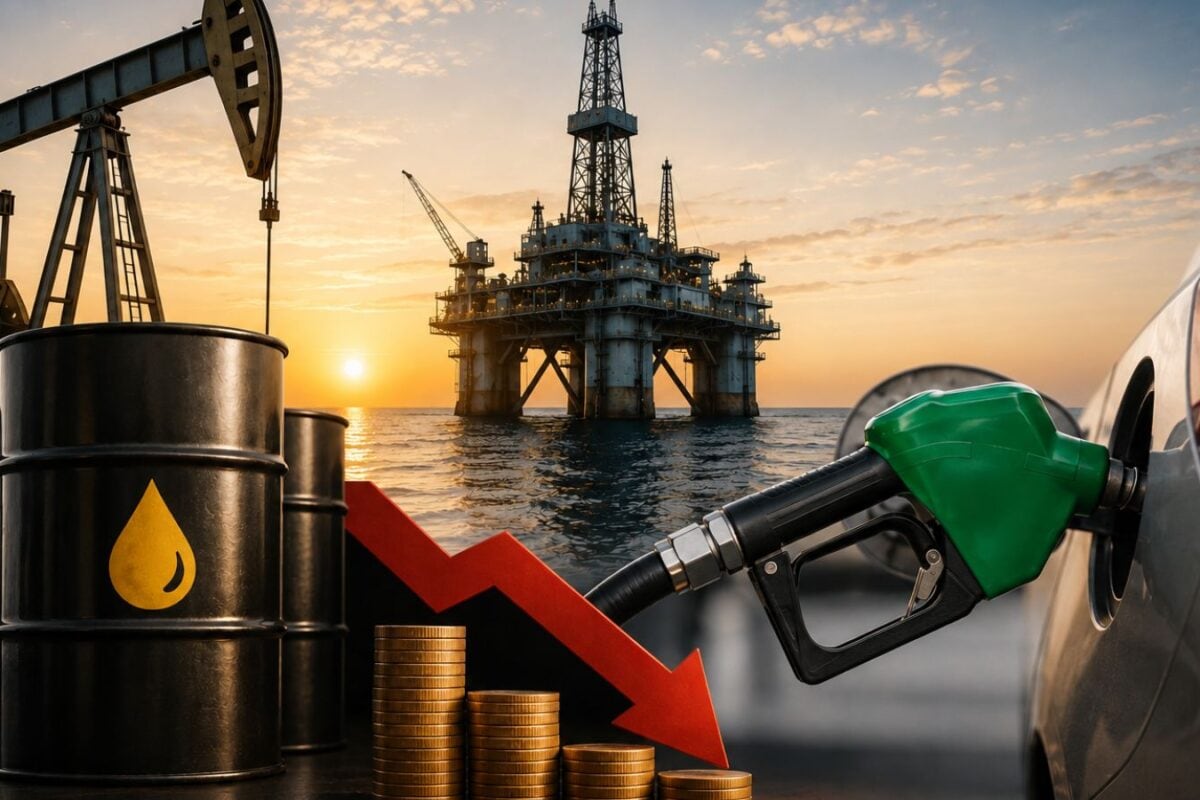
OPEC+ Hikes Oil Output Again. Will It Finally Bring Relief At India's Petrol Pumps? Written By, Last Updated: July 06, 2026, 12:01 IST A larger global oil supply typically means lower crude prices, helping ease inflation, reduce India’s import bill and support economic growth Rapid Read For India, the world’s third-largest importer and consumer of crude oil, the move could have significant implications. (AI-Generated Image) Months after fears of a wider conflict in West Asia sent crude oil prices soaring, the world’s biggest oil producers have decided to open the taps once again. The OPEC+ alliance, led by Saudi Arabia and Russia, has agreed to increase oil production by 1,88,000 barrels per day (bpd) in August, continuing a gradual rollback of the production cuts introduced over the past two years. The decision comes as crude prices have retreated from the highs seen during the Iran-Israel conflict and shipping through the Strait of Hormuz has largely returned to normal. For India, the world’s third-largest importer and consumer of crude oil, the move could have significant implications—from inflation and government finances to petrol prices at the pump. WHAT HAS OPEC+ DECIDED? Eight countries from OPEC+ have decided to raise their output level by 1,88,000 bpd in the month of August, which is in line with their policy of steadily raising production levels after lowering them to support prices. ALSO READ | ‘No Petrol Crisis In India’: PM Modi Credits ‘India First’ Policy For Energy Security Despite Global Oil Crisis This comes after raising production in recent months as part of their strategy to reclaim their market share and in response to better supply conditions. According to analysts, this also indicates their belief that global markets will be able to take in more oil despite slowing economic growth. As per The Wall Street Journal, the decision was taken amid easing fears of disruption in the Strait of Hormuz due to de-escalation of tensions in West Asia.
WHY IS OPEC+ INCREASING PRODUCTION? Several developments have changed the global oil outlook over the past month. 1. West Asia tensions have eased: When Iran and Israel exchanged strikes earlier this year, Brent crude surged above $100 a barrel as shipping through the Strait of Hormuz was disrupted. However, since the temporary ceasefire between Iran and the United States, maritime traffic has largely resumed, reducing fears of a supply shock. 2. Oil demand remains uncertain: According to market analysts quoted by Independent Commodity Intelligence Services (ICIS), global demand growth has remained softer than expected, particularly due to concerns over China’s economic recovery. Adding more supply while demand remains moderate has pushed prices lower. 3. OPEC+ Seeks To Reclaim Market Share: OPEC+ had willingly reduced production for close to three years to maintain high prices in the oil market. But now, countries such as Saudi Arabia are seeking to reclaim their customers that have been opting for other producers such as the US, Brazil, and Guyana due to shortage. ALSO READ | Crude Oil Is Back At Pre-War Levels, So Why Are Petrol, Diesel Prices Unchanged In India? According to Gulf News, OPEC+ increased production alongside increased shale production in the US and the reopening of shipping lanes has caused the market focus to be drawn towards oversupply rather than geopolitical risks. This is what has kept the prices low despite the tensions in the region of West Asia. WHAT DOES THIS MEAN FOR INDIA? The implications extend well beyond petrol pumps. 1. India’s Import Bill Could Shrink: India imports almost 88 per cent of its total consumption of crude oil. The Petroleum Planning and Analysis Cell (PPAC) states that each fall in global crude prices is bound to decrease the country’s annual import bill. Since crude oil makes up one of the largest bills in terms of imports, cheaper crude helps in managing the current account deficit, strengthens the rupee and conserves foreign exchange.
 The BriefWire