Justice Varma Case: Can Parliament Punish A Judge Even After He Has Resigned? Explained
Justice Varma Case: Can Parliament Punish A Judge Even After He Has Resigned? Explained Written By, Last Updated: July 06, 2026, 12:21 IST The outcome
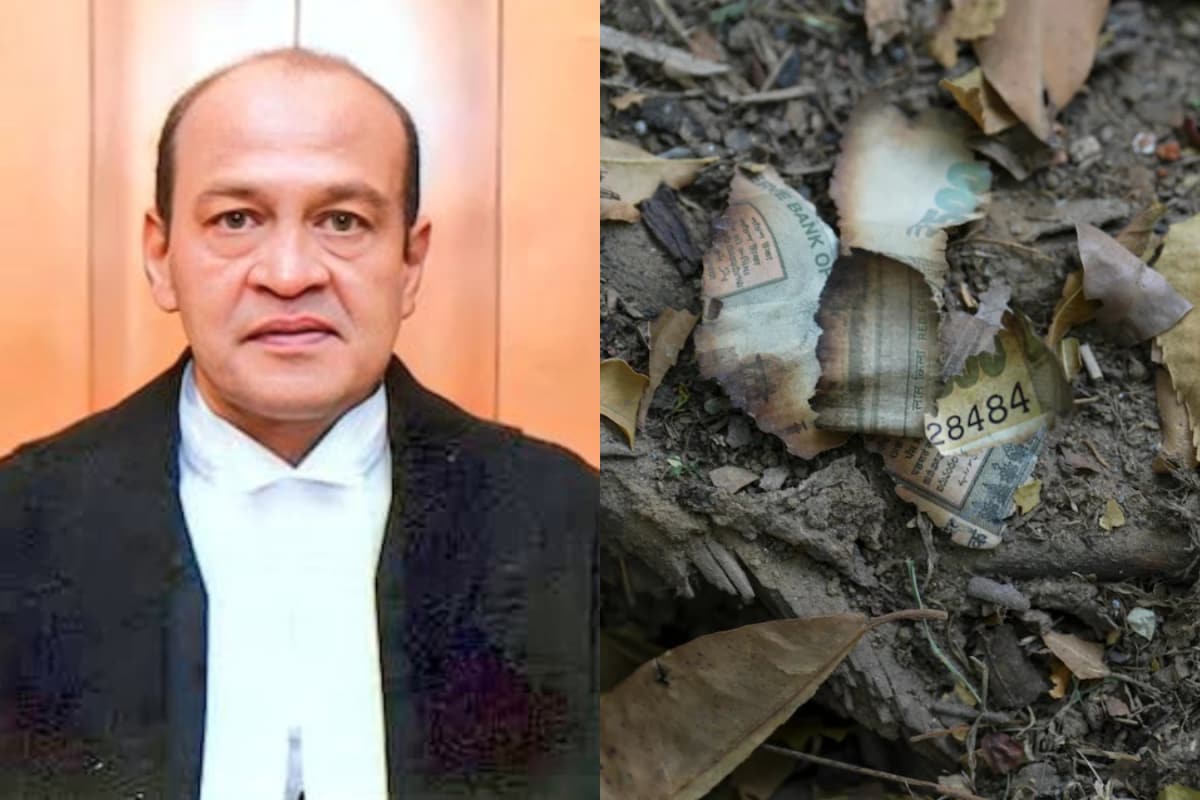
Justice Varma Case: Can Parliament Punish A Judge Even After He Has Resigned? Explained Written By, Last Updated: July 06, 2026, 12:21 IST The outcome will determine whether resignation establishes immunity from parliamentary censure, or if the legislature retains the power to penalise misconduct, retrospectively Rapid Read Justice Yashwant Varma resigned as Allahabad HC judge amid impeachment process over cash row. Lok Sabha Speaker Om Birla on Saturday said the report of the three-member committee that investigated corruption allegations against Justice Yashwant Varma will be tabled in the Lok Sabha during the Monsoon Session beginning on July 20. Can it be done despite the judge having already resigned in April 2026? WHAT IS THE JUSTICE VARMA CASE? The Justice Varma case refers to a high-profile corruption scandal and ongoing constitutional crisis involving Justice Yashwant Varma, a former judge of the Delhi High Court who was later transferred to the Allahabad High Court. The case centres around the discovery of a massive stash of unexplained money at his official residence and the subsequent attempt by Parliament to impeach him. In March 2025, an accidental fire broke out at Justice Varma’s official government bungalow in New Delhi. When emergency response teams and firefighters entered the premises to extinguish the blaze, they discovered sacks and wads of half-burnt, unaccounted for currency notes hidden in a storeroom. Initial estimates suggested the cash amounted to nearly ₹15 crore. Justice Varma strongly denied any knowledge or ownership of the money, claiming the storeroom was a “general dumping area" and suggesting there was a conspiracy to malign his reputation.
Chief Justice of India Sanjiv Khanna constituted a three-member judicial in-house committee to investigate. After examining 55 witnesses and reviewing CCTV footage, the committee concluded that Justice Varma had “tacit and active control" over the room where the cash was hidden. The Supreme Court subsequently dismissed a petition by Justice Varma challenging the validity of this in-house inquiry. Following the controversy, the Supreme Court Collegium transferred him to his parent court, the Allahabad High Court. Based on the judicial finding of “serious misconduct," 146 Members of Parliament (MPs) across party lines signed a memorandum seeking his removal. In August 2025, Birla admitted the motion and set up a formal three-member Statutory Inquiry Committee under the Judges (Inquiry) Act, 1968, to officially investigate the allegations. Justice Varma legally challenged the Speaker’s power to form this panel, but the Supreme Court rejected his plea in January 2026, clearing the way for the probe. On April 9, 2026, just as the parliamentary probe was wrapping up its final stages, Justice Varma tendered his resignation to President Droupadi Murmu with immediate effect. He withdrew from the proceedings, citing a lack of basic fairness and alleging that he was not allowed to cross-examine key witnesses. By resigning, he immediately surrendered his official judicial perks and revived his Bar Council enrolment to resume private practice as a lawyer. WHAT IS THE CONSTITUTIONAL STANDOFF? Despite his resignation, the Statutory Inquiry Committee went ahead with the proceedings ex parte, finalised its findings, and submitted its report to the Lok Sabha Speaker in May 2026.
 The BriefWire